BLOG // 2026.03.31 // 19:00 SGT
The Reality of Agentic Infrastructure: Beyond the Hype of AI Pilots
Reflections on the latest shifts in AI cloud architecture, semantic governance, and why 95% of enterprise AI pilots fail. It's time to focus on the time to solve problems and the rate of change.
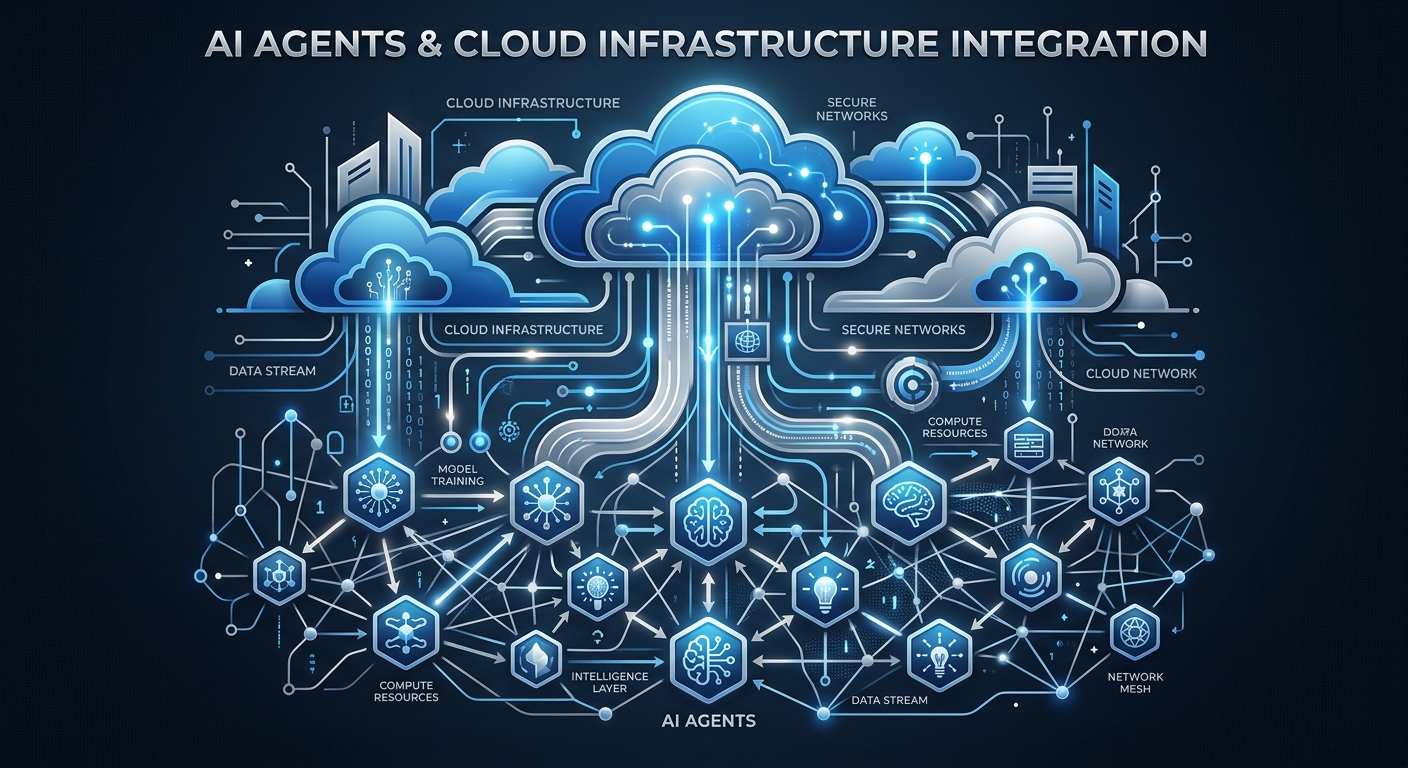
We talk a lot about the exponential capability of AI agents, but the conversation we actually need to be having is about infrastructure. The real bottleneck isn't the model's intelligence—it's how we safely and effectively plug that intelligence into our existing systems without tearing down the house.
When reviewing the latest signals from the industry—from Andrej Karpathy's reflections on AutoResearch and the 'Loopy Era' of agents, to the stark reality that 95% of enterprise AI pilots are still failing—the throughline is clear: we need to focus on architecture, governance, and the pragmatic reality of deployment.
How you do anything is how you do everything. If you build AI tools as isolated science experiments, they will fail as isolated science experiments. If you build them as core, secure business infrastructure, they stand a chance at compounding value.
1. The 'Loopy Era' and the End of Traditional Coding
Andrej Karpathy recently noted the shift toward what he calls the "Loopy Era" of AI agents and AutoResearch. What stands out to me here isn't the flashy "end of coding" headline—it's the shift in how we approach problem-solving. We are moving from linear code execution to iterative, agentic loops.

For technology leaders, this means our metrics need to change. We shouldn't be measuring lines of code written or features shipped. We need to be measuring the rate of change and the time to solve problems. The businesses that win will be the ones whose baseline problem-solving time decreases day over day, driven by autonomous loops.
2. Why 95% of Enterprise AI Pilots Fail
There's a sobering metric making the rounds: 95% of enterprise AI pilots fail. Why? Because teams are optimizing for the demo, not the deployment. They build proofs-of-concept that ignore the realities of enterprise data governance, security, and legacy integrations.
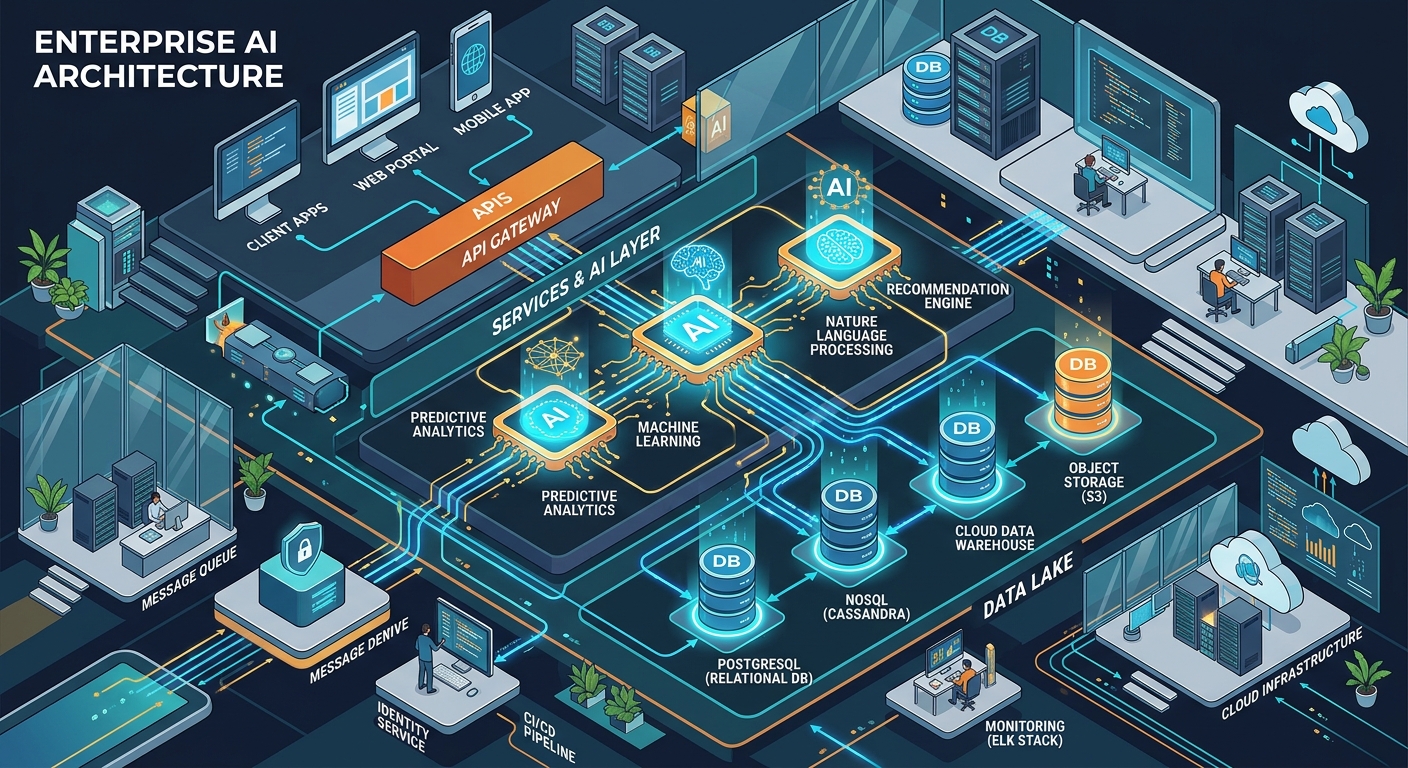
When we look at the observability lessons coming out of OpenAI, or the fact that AI is now reviewing its own code, the takeaway is that robust systems require robust oversight. A successful AI pilot isn't one that looks cool; it's one that can be safely monitored, updated, and integrated into a CI/CD pipeline.
3. Semantic Governance and Security
Security cannot be bolted on. We're seeing tools like Cursor's AI security agents making waves, but we're also seeing reports from AI Security Labs demonstrating how easily agents can bypass safety controls if the underlying architecture isn't sound.

This is where concepts like semantic governance come into play (Rubrik's SAGE being a prime example). We need infrastructure that understands the meaning and context of the data an agent is accessing, not just the access control list. As we've seen with major tech giants expanding AI across Workspace and Cloud architectures, and the Pentagon's Project Maven, the stakes for governance, LLM economics, and AI optimization techniques have never been higher.
Final Thoughts: The Pragmatic Path Forward
It's easy to get caught up in the hype of AI acquisitions (like OpenAI acquiring Promptfoo) or the latest benchmark scores. But for those of us building systems, the real work is quieter. It's about mentoring our teams to understand the why behind a problem. It's about protecting our time so we can focus on compounding behaviors.
Build useful things. Create real value. Leave your architecture better than you found it.
— Bryan.AI