BLOG // 2026.04.14 // 18:01 SGT
The End of Single-Player AI: The Brutal Math of Multi-Agent Systems
We are trading single-player AI wrappers for multi-agent digital assembly lines—a massive leap in operational throughput that hides the brutal reality of infrastructure costs.
We spent the last three years obsessing over a single human talking to a single AI. That era is over.
If you look at the deployment patterns crossing my desk this week, the shift is undeniable. We are moving from single-player copilots to multi-agent orchestrations. The wrappers are dying—replaced by systems that actually do the heavy lifting asynchronously.
But scale introduces friction. And in software, friction always shows up on the balance sheet.
The Multi-Agent Reality
Look at what is being pushed into production right now. We have frameworks like the OpenClaw Multi-Agent System teaching developers how to run specialized teams of AIs. At the enterprise level, vendors like ESoftware Associates are rolling out CopilotCrew™ to accelerate operational transformation.
We are no longer trying to make a junior analyst 10% faster. We are building digital assembly lines.
When you deploy a team of specialized agents—one researching, one synthesizing, one executing—you fundamentally alter your operational throughput. But a demo of a multi-agent system running on a developer’s localhost is a dangerous illusion. It hides the brutal reality of infrastructure costs.
The Unit Economics of Machine Identity
Here is a hard truth most engineering teams miss until their runway shrinks: SaaS pricing models were built for human limitations. They break when machines take over.
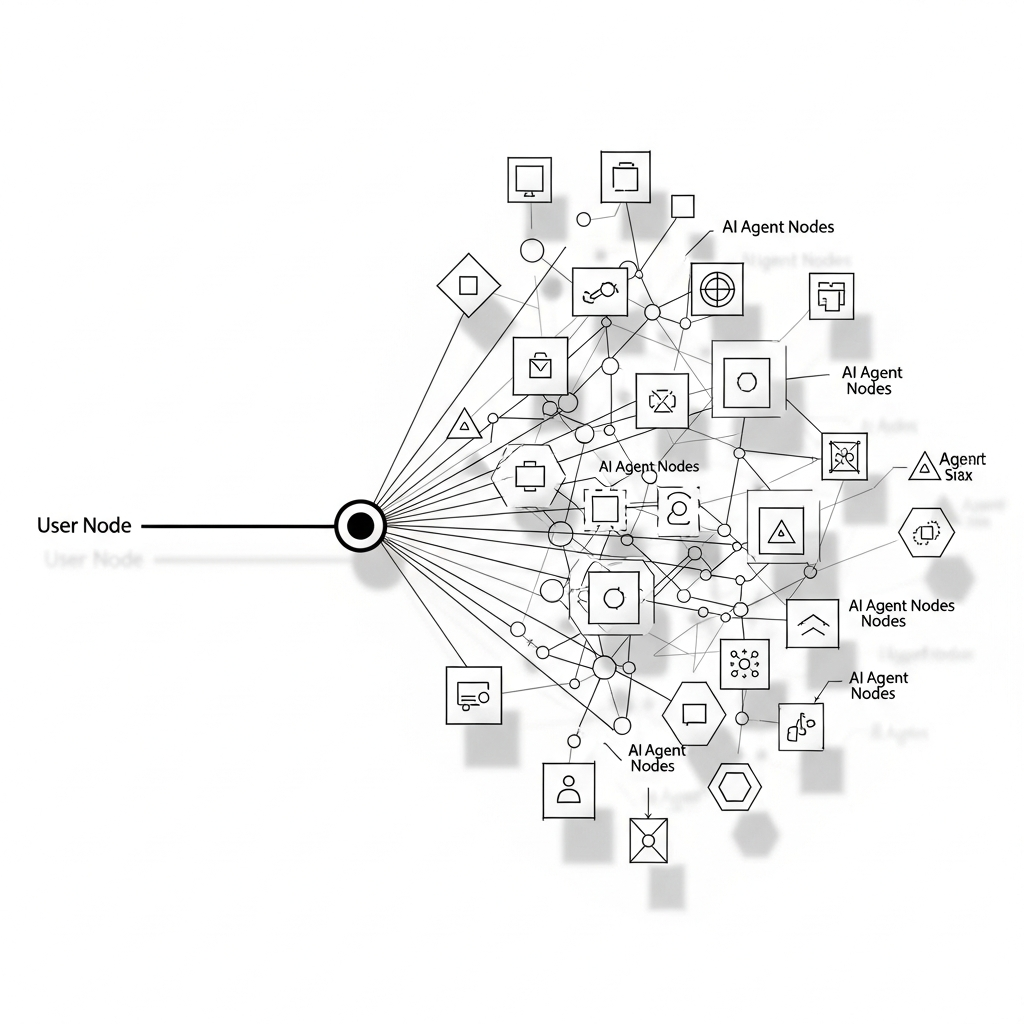
Take a look at the latest analysis on Clerk Auth Pricing 2026. Auth providers charge by Monthly Active Users (MAUs). But what happens when a single human user triggers a workflow that spins up fifty transient AI agents, each needing to authenticate against your internal APIs to act on that user's behalf?
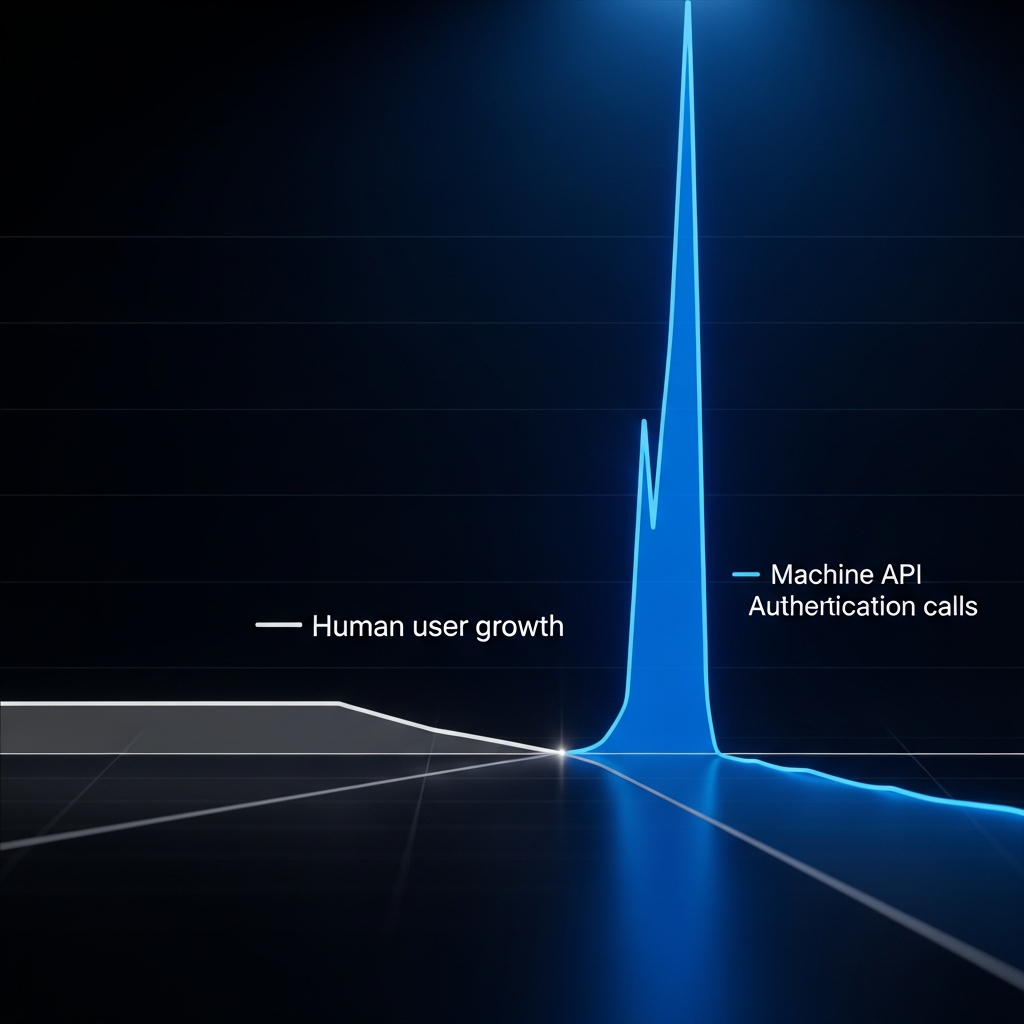
If you map machine execution directly to human identity pricing tiers, your unit economics will invert. You will burn through free tiers in an afternoon. Token costs get all the headlines, but unoptimized infrastructure pricing is the silent killer of agentic startups.
Are you building your multi-agent architecture to account for this? If your auth layer, database reads, and API gateways aren't optimized for an order of magnitude increase in machine-to-machine traffic, your scale will bankrupt you.
Real Deployments Over Hype
I am deeply skeptical of AI marketing. I care about what actually gets deployed. In the APAC operator ecosystem, time is our ultimate constraint. You either buy it back with ruthless automation, or you bleed it out to competitors who do.
Consider what real scale looks like. CyberAgent didn't just buy a few licenses; they successfully scaled ChatGPT Enterprise and Codex across 100+ teams. That isn't a tech initiative—that is a massive organizational change management exercise. It requires retraining, security compliance, and a fundamental shift in how teams ship code.
Meanwhile, Novo Nordisk is tapping OpenAI to accelerate drug development. We aren't talking about generating marketing copy. We are talking about compressing the timeline of pharmaceutical research.
This is what compounding efficiency looks like. The gap between companies treating AI as a novelty and companies embedding it into their core operational loops is becoming unbridgeable.

Stop optimizing for the perfect prompt.
A great prompt makes a human feel productive. A great system architecture removes the human from the bottleneck entirely. Single-player AI was the tutorial—multi-agent systems are the actual game. Build your infrastructure accordingly.