BLOG // 2026.04.14 // 14:01 SGT
The Death of the Pixel: Why Amazon Blocked Comet
The shift to agentic commerce bypasses the human interface entirely—returning time to the user while destroying the defensive architecture incumbents rely on to protect their margins.
We spent a decade at ShopBack and Amazon obsessing over pixels. We ran thousands of A/B tests to optimize the exact shade of orange on a checkout button, shaving milliseconds off page load times to prevent cart abandonment. The underlying assumption was always the same: a human is looking at a screen, and we need to manipulate their attention.
That era is ending—and frankly, it’s about time.
When you build products across APAC, you quickly realize that time is the ultimate constraint. We are all balancing three domains: career, family, and finance. Any technology that doesn't return time or capital to the user is just entertainment. Right now, the interface itself has become a bottleneck.
The Defensive Architecture of Incumbents
Look at the friction currently happening in agentic commerce. Amazon recently tried to block Comet, an AI agent designed to navigate and purchase on behalf of users. The media frames this as a technical glitch or a security measure, but the architecture of agentic commerce tells a different story.
Incumbents are terrified. An AI agent doesn't care about your cross-sell widgets. It doesn't get distracted by "Frequently Bought Together" carousels. It executes a discrete task—find the best price, apply the optimal routing, and check out.

The narrative is shifting rapidly. We are seeing platforms like MolmoWeb explicitly position themselves around the death of the click, arguing that AI agents are becoming the new brand interface. If your entire business model relies on monetizing human visual attention, you are sitting on a melting iceberg. The future of commerce isn't B2B or B2C. It's B2A—Business to Agent.
Moving from Demos to the Supply Chain
But let’s strip away the hype. A slick demo of an agent booking a flight on Twitter is easy. Deploying autonomous agents into an enterprise environment where they can actually alter state—update databases, trigger payments, modify infrastructure—is a nightmare of edge cases.
We are finally seeing the enterprise market admit this. The recent move by DXC and ServiceNow uniting to push global enterprises from AI experimentation to execution is a signal. The patience for pilot purgatory is gone. Boards want to see compounding productivity metrics, not just chat interfaces wrapped around internal wikis.
To get there, the engineering focus has to shift entirely to security and governance. When an agent writes and executes code autonomously, your attack surface grows by orders of magnitude.
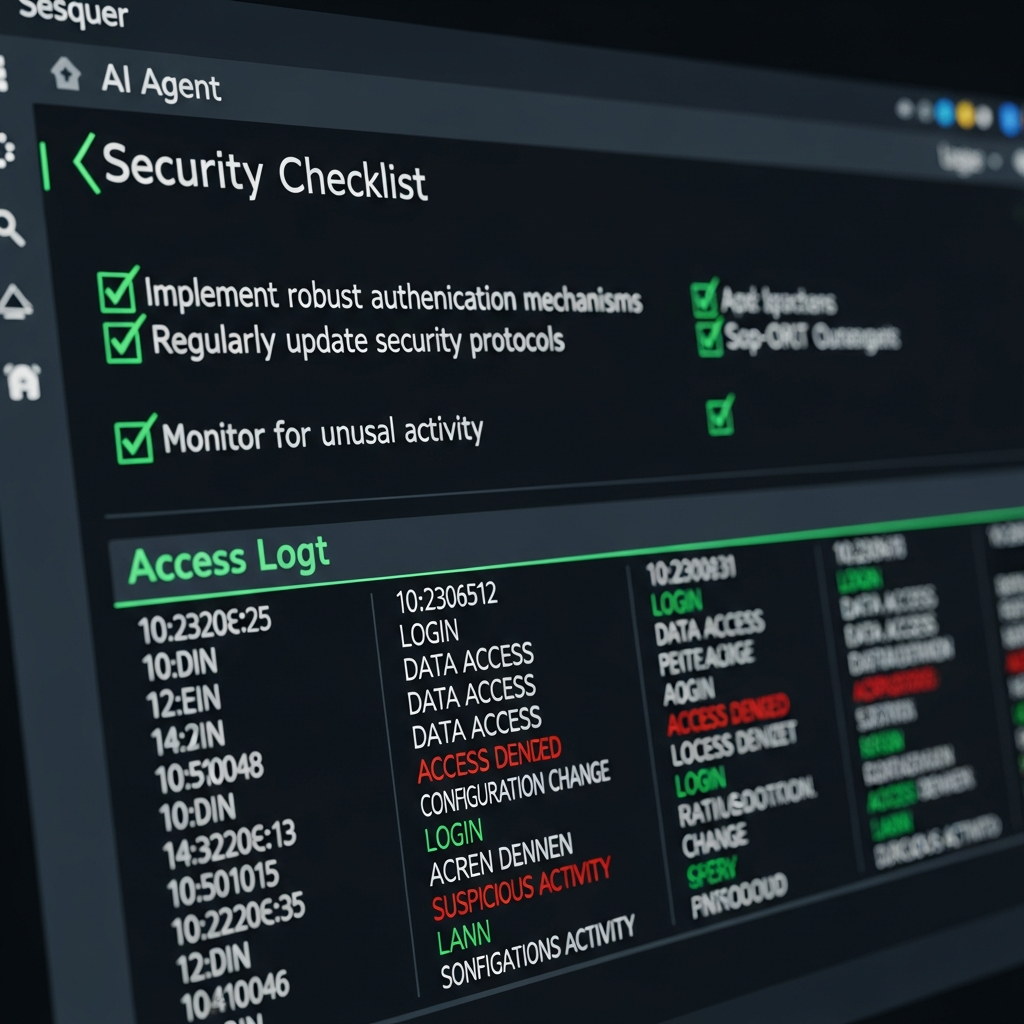
If you are running an AI engineering team today—whether in-house in Singapore or outsourced—your primary bottleneck isn't model context windows anymore. It is supply chain safety. Look at the immediate need for frameworks on how to audit and lock down Claude Code plugins. The real moat isn't the underlying model you use; it's the governance infrastructure you build around what that model is allowed to touch. If you can't verify the safety of the tools your agent uses, you don't have an agent. You have a liability.
The Financial Plumbing for Autonomy
An agent that cannot spend money is fundamentally castrated. It is just a highly sophisticated advisor. For agents to actually buy back our time in those core domains of family and finance, they need wallets.
This is where the regulatory arbitrage in Asia is paying off. The news out of Hong Kong regarding True Global Ventures and Animoca Brands securing a stablecoin license breakthrough is not just a crypto story. It is the missing plumbing for the AI agent economy.
Traditional fiat rails are too slow, too expensive, and require too much human KYC friction for micro-transactions executed by machines at scale. Programmable money is the only logical settlement layer for programmable agents. Once agents have a compliant, stable ledger to transact on autonomously, the velocity of agentic commerce will compound in ways legacy retailers cannot model.
Stop optimizing your website for human thumbs. By the time your next major UI overhaul is done, your most important customers won't have eyes.