BLOG // 2026.04.10 // 02:00 SGT
The AI Infrastructure Tax: You Can't Fake a Server Rack
While startups pray for inference costs to drop, hyperscalers are extracting a brutal infrastructure tax—because you can fake a flashy AI demo, but you can't fake a server rack.
Sitting in Singapore, watching the APAC tech ecosystem scramble to integrate generative AI, I see two types of pitch decks crossing my desk. The first promises a revolution in autonomous systems. The second asks for money to pay AWS bills. Compute is the ultimate truth-teller—you can fake a demo, but you can't fake a server rack.
From my days at Amazon to scaling ShopBack, I learned one hard rule: infrastructure eats application logic for breakfast. We are entering the deployment phase of AI, and the gap between a flashy prototype and a production-grade system is measured in blood, sweat, and capital.
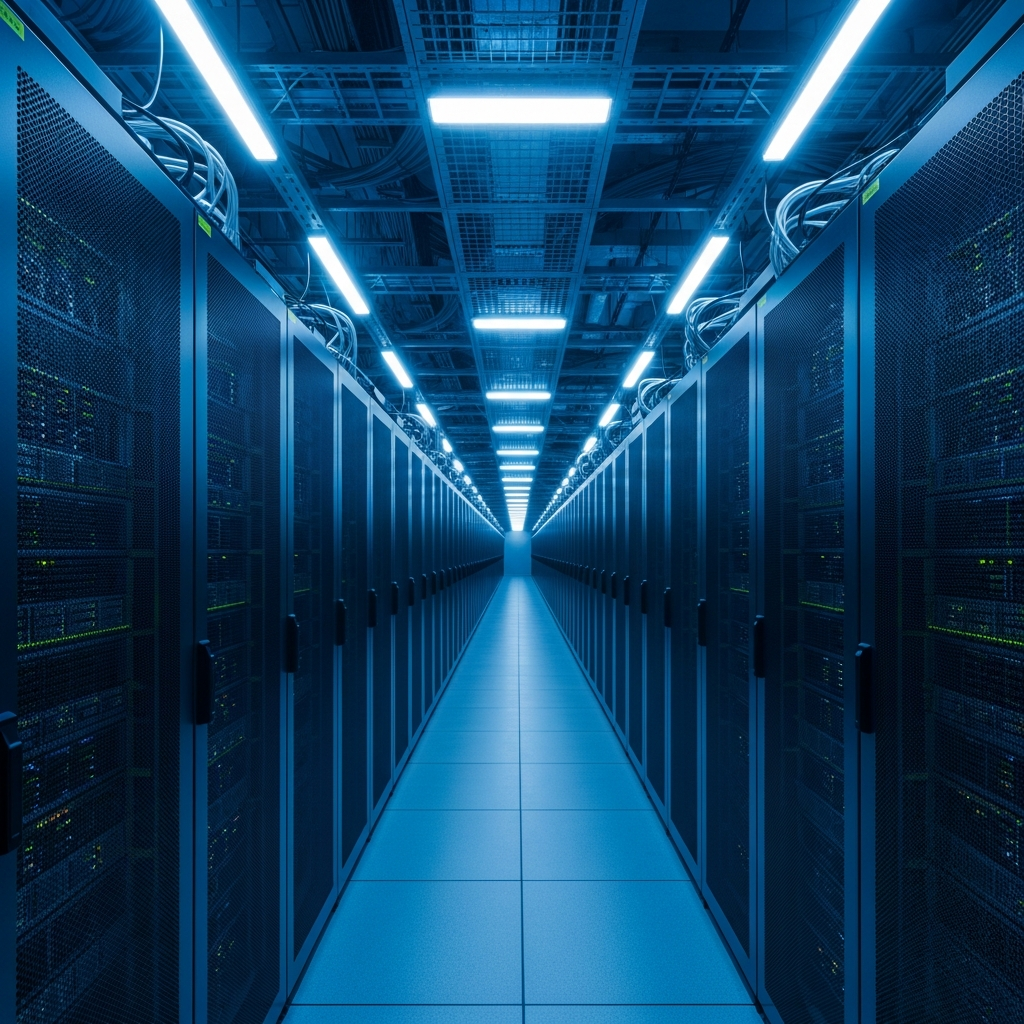
The Infrastructure Tax
Look at where the real money is moving. CoreWeave just expanded its deal with Meta to $21 billion in a massive infrastructure bet. That isn't a speculative gamble on a new routing algorithm. That is raw, unadulterated capex.
The hyperscalers and GPU hoarders are operating at true orders of magnitude—extracting a tax on every agentic dream before a single line of code goes to production. We are still in the phase where the pick-and-shovel sellers are taking the lion's share of the margin. If your startup's unit economics rely on inference costs dropping to zero, you don't have a business model. You have a prayer.
When Agents Start Spending Money
A demo of an AI drafting an email is cute. An AI actually swiping a corporate card is a deployment. The difference between the two is an ocean of liability, compliance, and risk.
Time is the ultimate constraint. We divide it across three domains: career, family, and finance. For the last two years, AI has been trying to save us time in our careers by summarizing documents. Now, it is bleeding into finance. Visa's launch of an AI Agent Payment platform signals that agentic commerce is moving out of the sandbox.

When agents move from read-only to read-write—when they start executing financial transactions—the entire stack has to harden. How do you audit a machine that negotiates a vendor contract and immediately authorizes the payment? The companies that win this era won't be the ones with the smartest models. They will be the ones that figure out identity, permissions, and spending limits for autonomous systems.
Fixing the Unglamorous Plumbing
Building a toy agent locally is a weekend project. Running a fleet of agents in production requires state management, secure execution environments, and long-term memory.
The industry is finally realizing that the bottleneck isn't the LLM—it's the middleware. Google bringing MCP support to Colab is a massive step for cloud execution, moving agent capabilities out of isolated local environments and into scalable infrastructure. Simultaneously, we are seeing the emergence of dedicated routing layers, like the GoClaw high-performance AI agent gateway, designed specifically to handle the reliability that production demands.
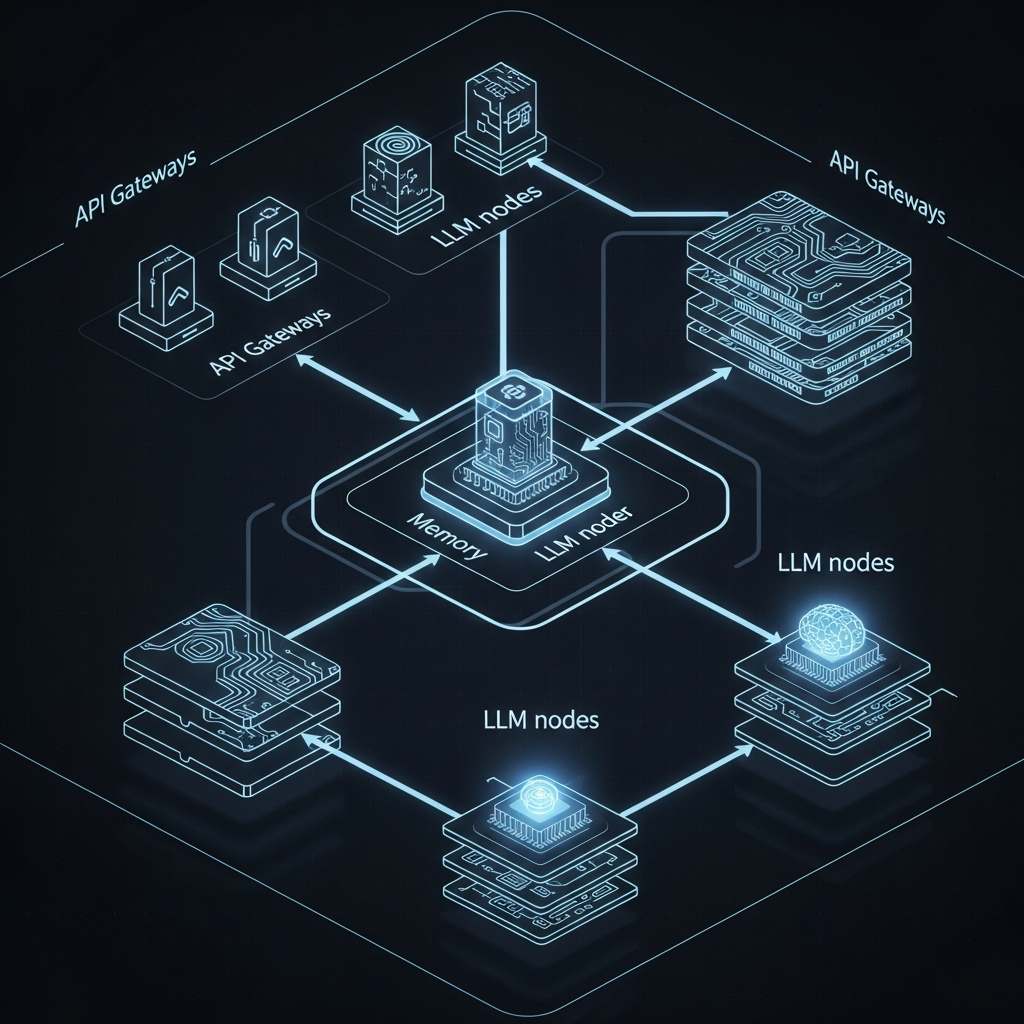
Even the fundamental architecture of how these agents remember context is being rebuilt from the ground up. Look at Alex Chen's recent Show HN on Hippo, detailing biologically inspired memory for AI agents. This is the unsexy plumbing that actually makes systems compound in value over time. You do not scale by writing better prompts—you scale by building deterministic guardrails around probabilistic engines.
Stop obsessing over the models. The models will commoditize. The enduring value is in the infrastructure, the financial rails, and the production middleware. Build for the real world, where things break, liabilities are real, and compute costs actual money.