BLOG // 2026.04.09 // 02:00 SGT
Stateless Agents Are Toys—Your Model Is Not a Moat
With Gemma 4 commoditizing frontier weights, your AI moat isn't the model—it's abandoning fragile, stateless demos to build durable state management at scale.
I’ve spent the last few weeks looking at agentic AI architectures across APAC startups. The pitches are largely identical. Everyone promises autonomous workers that will replace your SDRs, your engineers, your ops team. But when you look under the hood? It’s usually just a massive prompt chain wrapped in a while-loop.
A stateless agent is a toy. It forgets what it did five minutes ago. Real agents require state management — durable, low-latency memory that persists across sessions, API timeouts, and catastrophic failures. That’s why the integration of Agentic AI State Management with ScyllaDB and LangGraph matters more than whatever flashy UI wrapper launched on ProductHunt today. If you can’t manage state at scale, you don’t have a product. You have a fragile demo.
And the baseline for those demos just got commoditized again. We are now seeing Gemma 4 released under an Apache 2.0 license, alongside tools like GitHub Copilot’s Critic Agent. When frontier-level weights and critic-in-the-loop systems are free, your foundation model is not a moat. It is merely a prerequisite to play the game.

The Vertical Debt Collection
Let’s talk about finance and time. As an operator, there are three domains that matter: career, family, finance. Every hour you spend building a generic AI tool is an hour stolen from one of those three. The market doesn't reward generic anymore. BrightEdge data shows AI search is hitting a tipping point by 2026. The horizontal layer — the pure search and discovery phase — is being eaten by the incumbents.
So where do you build? You build in the ugly, unsexy verticals where compounding metrics rule.
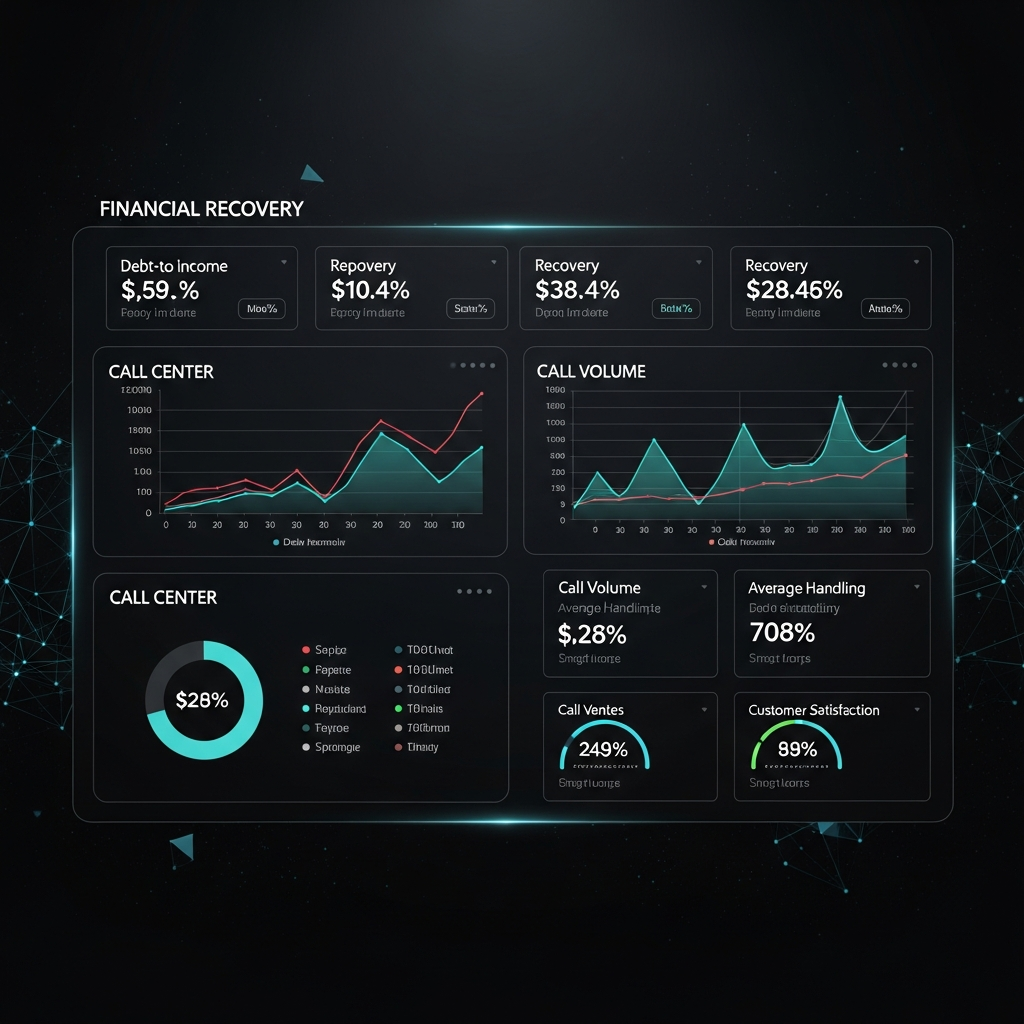
Look at legal and collections. We know Harvey AI is revolutionizing legal work with autonomous agents, but the real silent killer is in accounts receivable. We are seeing AI debt collection merging with predictive dialers across platforms like Five9, NICE, and Genesys.
Debt collection isn't glamorous. It doesn't get keynote presentations at tech conferences. But it operates entirely on orders of magnitude. A 2% increase in recovery rate across a billion-dollar debt portfolio is a massive delta. Enterprise buyers don't care if your AI is self-evolving — they care if it directly impacts free cash flow. If your product doesn't touch the P&L within 30 days of deployment, you will churn. The early movers in CPA firms and finance already know this.
The Open Source Agent Creep
There is a dangerous assumption in the startup ecosystem right now: that we can out-engineer the open-source community on agent logic. We can't.
Take a look at the Hermes Agent. It’s an open-source AI agent billed as self-evolving. Whether it truly "evolves" in a biological sense or just effectively updates its own prompt weights is secondary. The point is that the baseline for autonomous behavior is now available to a teenager in a bedroom in Jakarta.
If open-source agents can write code, manage state, and refine their own instructions, what exactly are you charging a premium for? Why would a mid-market enterprise pay you a SaaS fee when their internal IT team can spin up a self-evolving agent for the cost of compute?
You charge for the last mile. You charge for the integrations into legacy ERP systems that haven't been updated since 2014. You charge for the compliance guardrails that keep a bank out of a MAS regulatory audit here in Singapore. You charge for taking the liability off their hands.
Stop building toys. Stop competing on raw intelligence. The models will get cheaper, the agents will get smarter, and the baseline will keep rising. The operators who win this cycle won't be the ones with the most elegant LangGraph implementation. They will be the ones who wire those open-source agents into the deepest, most painful workflows of legacy businesses — and refuse to let go.