BLOG // 2026.04.24 // 10:00 SGT
Shipping AI Agents: The Chasm Between Demo and Production
While AI agent demos proliferate, the harsh reality for any operator is that shipping robust, secure, and scalable autonomous systems into production remains an unsolved engineering challenge, far from the whiteboard visions.
AI's Reality Check: Beyond the Demos, Into the Trenches
Every day, the feeds are flooded with new "AI agents," "revolutionary frameworks," and "game-changing integrations." It’s easy to get caught up in the hype cycle, especially with the sheer velocity of announcements. We're seeing a dizzying array of PyPI packages like ai-dev-browser and mycode-sdk pop up, alongside concepts like the "General Agent" from MeshKore. But anyone who's actually shipped code at scale—who’s felt the cold sweat of a production incident at 3 AM—knows the distance between a compelling demo and a robust, secure, and scalable deployment is an ocean.
The Agent Revolution: Still on the Whiteboard
The idea of autonomous AI agents orchestrating tasks, self-correcting, and operating with minimal human intervention is seductive. We're seeing discussions around "Linux and the AI Agent Revolution" and attempts at standardizing their communication with "Model Context Protocol (MCP)" for scaling. These are important steps in theorizing how agents might work in a complex ecosystem.
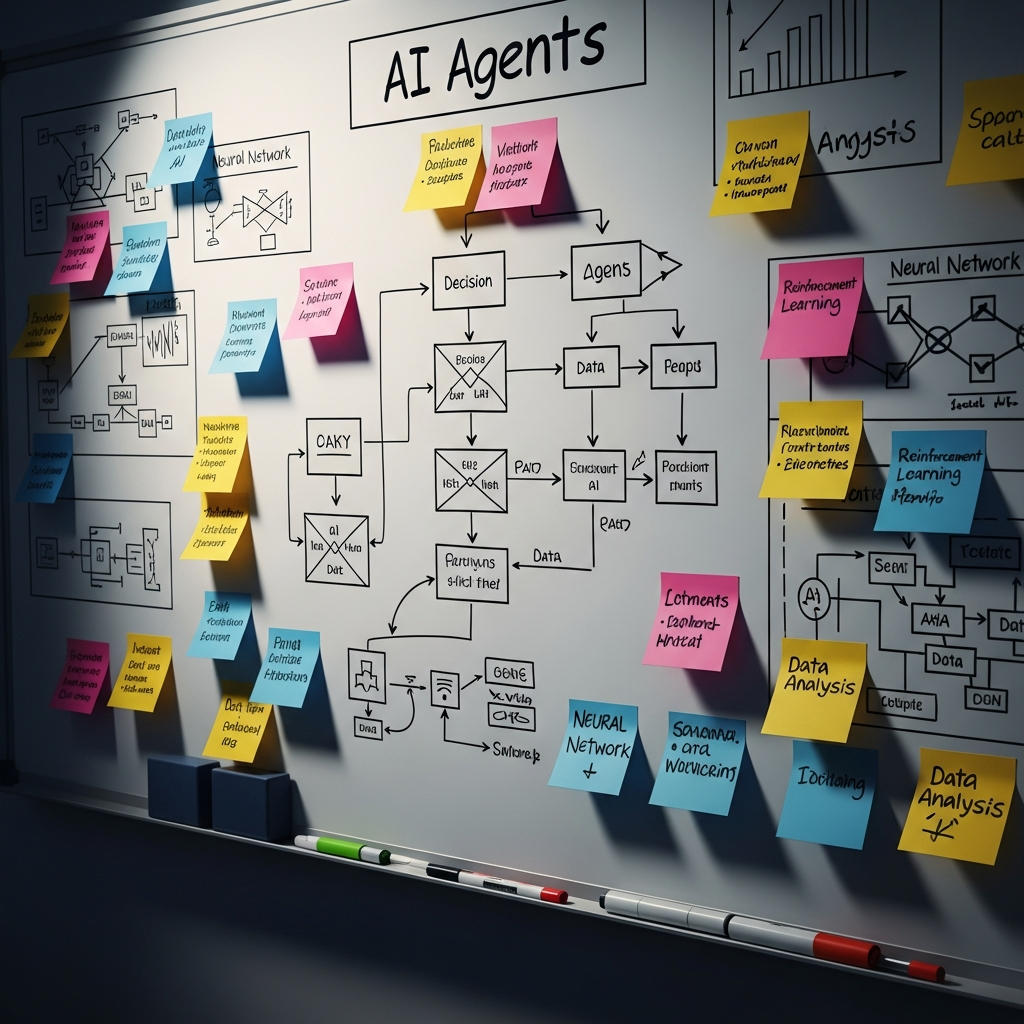
However, the reality of deploying these agents in production is far more complex than chaining a few API calls. Redwerk recently highlighted this gap, moving from "Demo to Production Reality" with their OpenClaw use cases. They talk about "7 Real OpenClaw Use Cases," a refreshing counterpoint to the endless parade of theoretical possibilities. Building an agent that can reliably handle edge cases, recover gracefully from failures, and operate within defined constraints requires fundamental engineering rigor — not just a clever prompt. The market loves a good story, but the P&L cares about unit economics and operational stability. Until these "agents" can consistently deliver measurable value without constant human oversight, they remain sophisticated scripts, not autonomous entities. The critical question isn't whether an agent can do something in a controlled environment, but whether it will do it correctly, every single time, under real-world pressure.
The Unsexy but Critical Foundation: Security and Performance
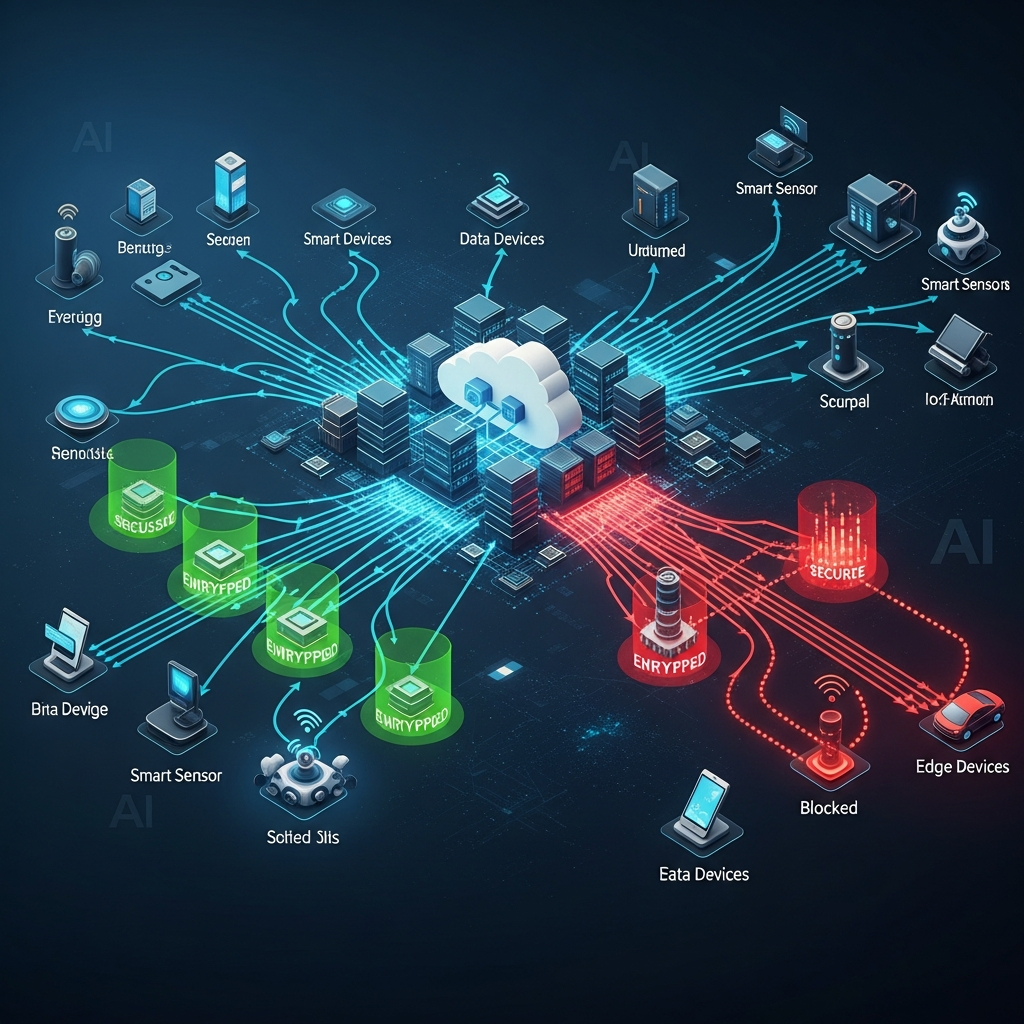
While the agent narratives captivate, the real work — the grunt work that makes AI viable at scale — continues in the less glamorous but absolutely essential domains of security and infrastructure. Just this week, Wiz announced it's expanding its AI security coverage across cloud and edge environments. This isn't a flashy new model; it's a fundamental recognition that as AI permeates every layer of our tech stack, the attack surface explodes. Ignoring security in AI is like building a skyscraper on sand. It's a non-negotiable cost of doing business, especially when dealing with sensitive data or mission-critical applications. As CTOs, our mandate is to protect our assets and our users, full stop. The proliferation of AI means new vulnerabilities, new vectors, and a constant cat-and-mouse game with adversaries.
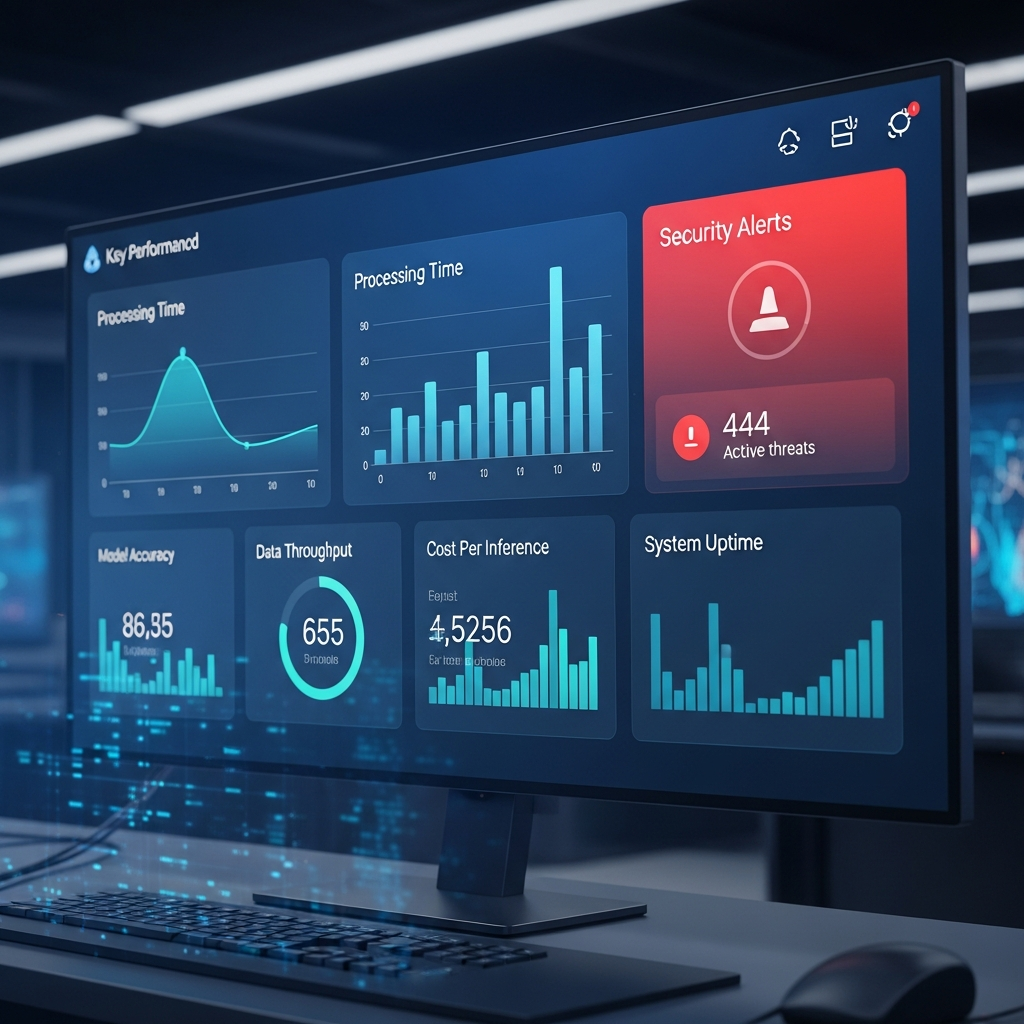
Then there's performance. The raw compute power, and more importantly, the efficiency with which we use it, directly impacts our bottom line and our ability to iterate. IBM and NVIDIA, for instance, have showcased an integration that delivers a staggering 30x performance gain, cutting AI data processing time from 15 minutes down to 30 seconds. This isn't just a marginal improvement; it's an order of magnitude leap. Think about the compounding effect of that over thousands of daily tasks. It means faster insights, quicker model retraining, and ultimately, lower operational costs. We’re also seeing Intel push its Gaudi 4 chips, and companies like EDB pitching "intelligence per watt" for the AI data layer. These aren't just technical specifications; they're direct levers on our financial models. In Singapore, where energy costs are a real factor, intelligence per watt isn't academic — it's a competitive advantage.
The True Cost of AI: Time and Money
When we talk about AI, we often focus on the capabilities. But as operators, we have to think about the constraints: time and money. The IBM-NVIDIA performance gains are a stark reminder of this. Reducing a 15-minute process to 30 seconds frees up developer time, reduces cloud spend, and accelerates business cycles. That's real impact. Conversely, poorly secured or inefficient AI systems are not just liabilities; they are hidden drains on resources. Every minute spent debugging an insecure agent, every dollar overspent on inefficient compute, directly impacts our ability to invest in growth, innovation, or even just a decent night's sleep.
The promise of AI is immense, but the path to realizing that promise is paved with meticulous engineering, disciplined security, and an unwavering focus on efficiency. Don't confuse a proof-of-concept with a production-ready system. The real value is created not in the dazzling demo, but in the trenches, where these systems are hardened, optimized, and made resilient. Focus on the fundamentals — the security, the infrastructure, the measurable performance gains — because that's where the sustainable competitive advantage is built. Everything else is just noise.