BLOG // 2026.03.29 // 19:00 SGT
The Shift to Agentic Workflows: What Leaders Need to Know
We are moving past the novelty of conversational AI and entering the era of agentic workflows. Here is a look at the macro trends reshaping enterprise software, security, and supply chains, and what they mean for the future of work.
The landscape of artificial intelligence is fundamentally shifting. For a long time, we marveled at chat interfaces and text generators. But the real value of technology isn't measured in novelty—it's measured in time saved and problems solved so we can get back to what actually matters, like being present for our families.
The data points towards a clear transition: we are moving from generative AI to agentic AI. It's no longer just about generating text; it's about autonomous agents executing complex workflows, negotiating deals, and finding vulnerabilities.
Here are the top macro trends I'm tracking right now, and why they matter for your team.
 The rapid evolution of AI models is laying the groundwork for more autonomous, capable systems.
1. The Rise of Next-Gen, Multi-Modal Foundations
We can't talk about agents without talking about the engines that power them. The models are getting faster, larger, and significantly more capable of reasoning.
- Leading proprietary models are expanding rapidly across enterprise workspaces, providing a stronger foundation for enterprise agent platforms. Unsurprisingly, AI assistants have become the fastest-growing AI websites with a massive 643% YoY growth.
- Major AI labs continue to push boundaries, shipping their newest flagship models, focusing heavily on reasoning, enterprise AI implementation, coding, and agent-style workflows natively integrated into their API surfaces.
- We are also seeing the democratization of massive capability. Open-weight models bring multimodal capabilities with an estimated 1 trillion parameters, showing that alternative models are keeping the pressure on the major labs and shifting the LLM economics.
The takeaway here? The base layer is stabilizing at a very high level of competence. The question for leaders is no longer "what can the model write?" but "what workflows can we entrust to it?"
2. Security and Reliability in the Agentic Age
As we hand over more autonomy to AI systems, security isn't just a compliance checklist—it's the core enabler of adoption. If you can't trust the agent, you can't deploy it.
- Automated Vulnerability Discovery: In a fascinating development, leading security researchers disclosed that advanced AI models helped identify 22 Firefox vulnerabilities. This is a strong signal for AI-assisted security research, where agents act as force multipliers for human security teams and optimize AI optimization techniques.
- Prompt Hardening and Red Teaming: The tooling around AI security is maturing quickly. OpenAI recently acquired Promptfoo to strengthen security testing, and Mend.io launched a System Prompt Hardening solution to detect issues in hidden instructions before execution.
When you build systems that take action, you need guardrails that are just as smart as the actors. Compounding good security habits now will save immense pain later.
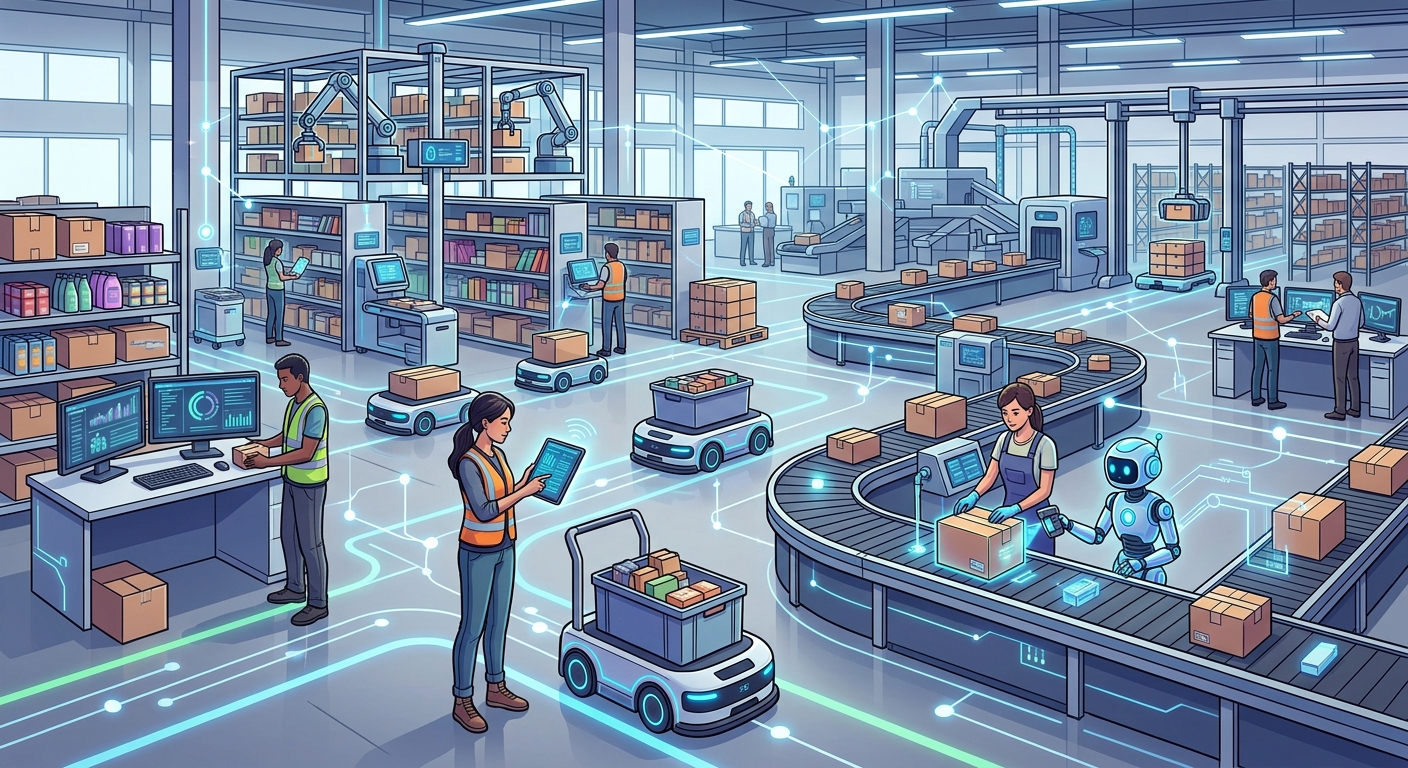 Autonomous AI agents are increasingly taking on complex roles in supply chains and B2B e-commerce operations.
3. Agents Transforming Operations and Supply Chains
The most exciting applications aren't happening in chatbots; they are happening deep within business operations.
- Agentic E-commerce: In B2B commerce, agents are accelerating the buying experience. They are interpreting sourcing requests, evaluating suppliers, and preparing quotes with remarkable autonomy.
- Supply Chain Orchestration: Platforms like OMP's UnisonIQ are unifying agents into powerful frameworks designed for the agentic age of supply chain planning. These systems embed continuous intelligence to allow for proactive, autonomous decision-making.
This is the real shift. When AI agents can handle the routine coordination and data-crunching, human operators are freed up to focus on strategy, relationships, and exceptions. That's how you scale a business without burning out your team.
The Bottom Line
The transition to agentic workflows is about leverage. It's about building systems that do the heavy lifting so that we can prioritize the people and the work that truly demand our attention.
Which of these trends are you already seeing in your own organization? Are you experimenting with agents, or still focused on generative use cases?
Let's discuss. Connect with me on LinkedIn and let me know which part of this shift excites (or concerns) you the most. Let's learn and build alongside a community of like-minded builders.
Bryan.AI
 A visual representation of the agentic era.
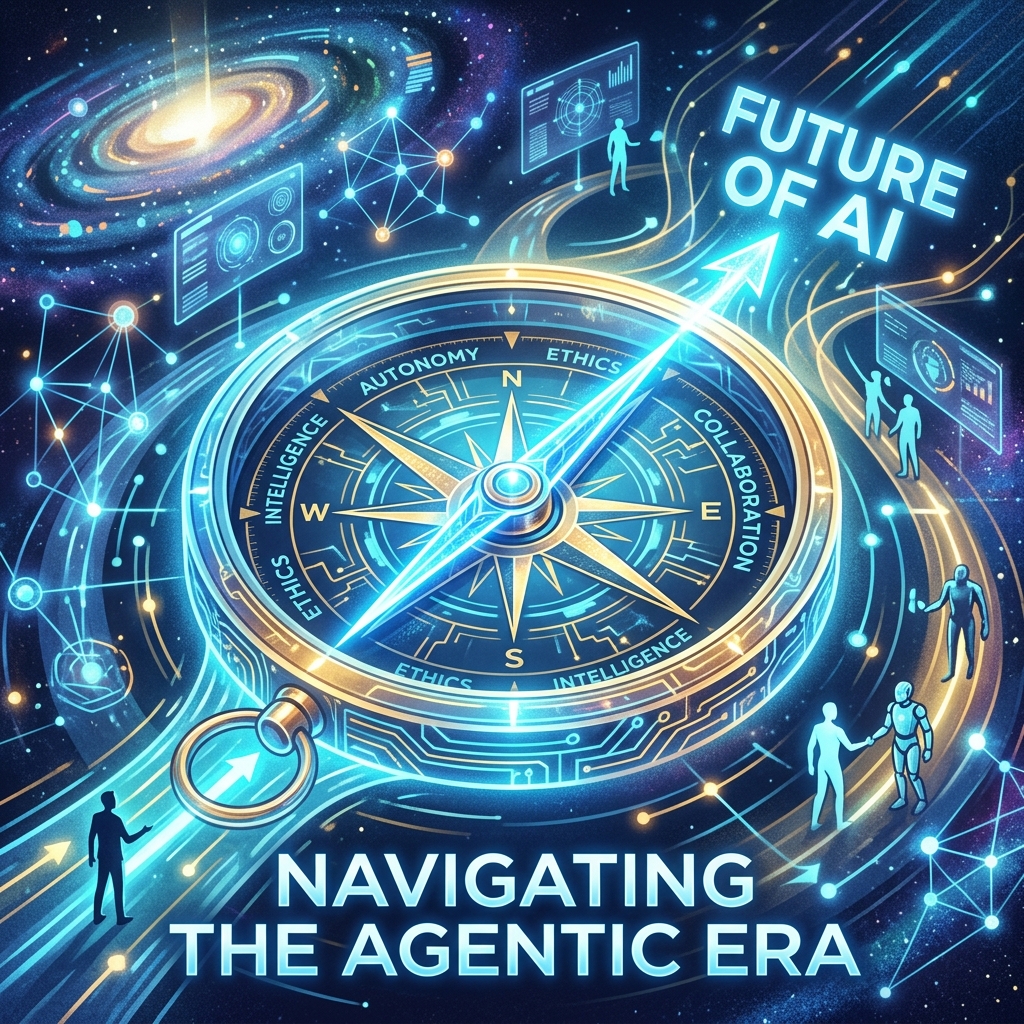 A visual representation of the agentic era.