BLOG // 2026.04.03 // 19:00 SGT
The Maturation of Local AI and Strategic Acquisitions
An analysis of the structural shifts in the AI industry, from novel training methods in billion-parameter models to the critical consolidation of enterprise security.
The AI industry is rapidly transitioning from a period of unbridled experimentation to one of structural consolidation. We are seeing a distinct shift in how enterprises are evaluating and integrating foundational models. This maturation phase is characterized not by the sheer size of the models being released, but by the strategic acquisitions happening at the security layer and the push towards localized, efficient inference.
When evaluating these shifts, the focus must remain on the compounding behavior of the technology. How does this lower the time to solve a problem? How does it improve the baseline security of our infrastructure?
Novel Training Methods and the Push for Efficiency
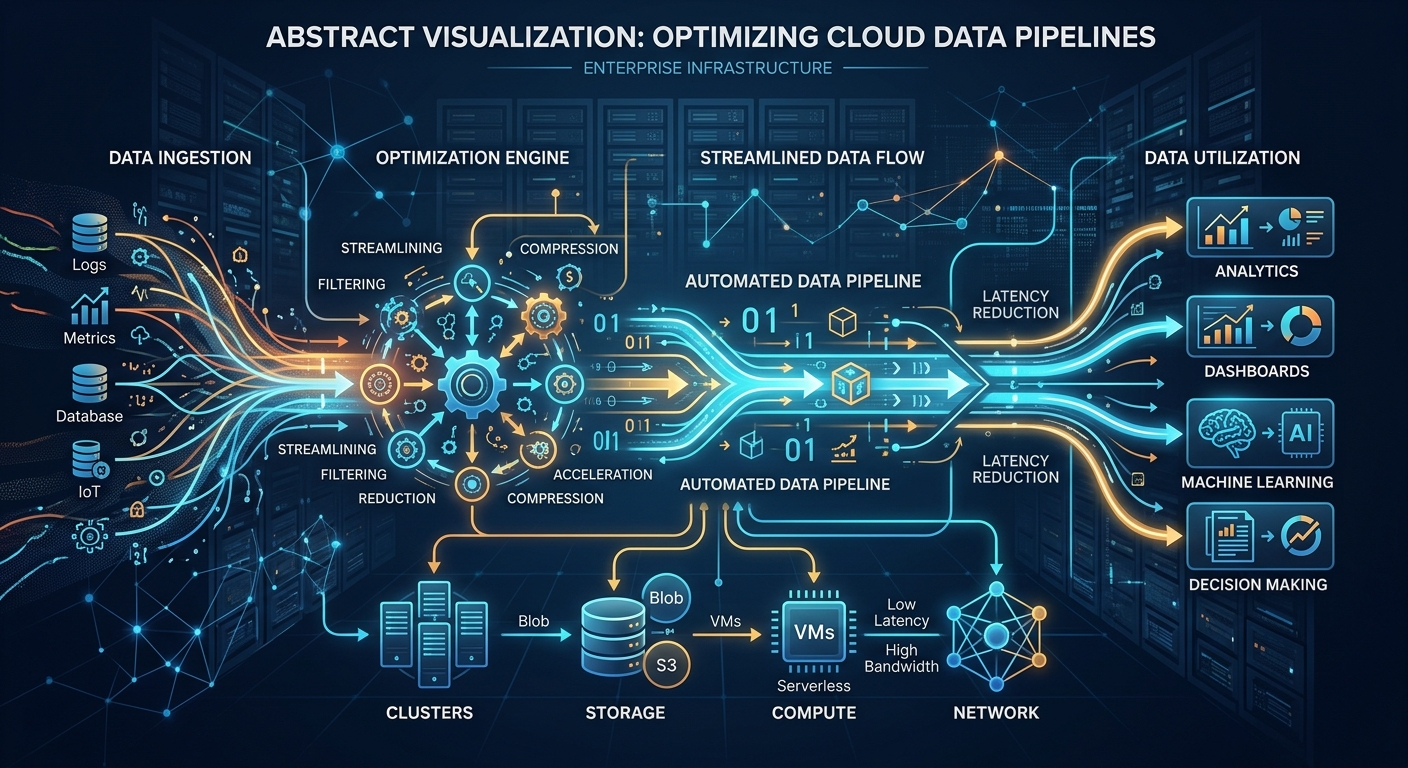
One of the most significant recent developments is the introduction of novel LLM training methods by emerging players like Zettafleet. Zettafleet's recent architectural papers suggest a move away from brute-force scaling. Instead of simply increasing the parameter count, the focus is on optimizing the data pipeline and employing sparse activation techniques to achieve state-of-the-art performance with a fraction of the compute.
This is a critical development for enterprise architecture. The massive energy and compute requirements of earlier generation models made them impractical for widespread internal deployment. By reducing the overhead required for both training and inference, these novel methods open the door for highly specialized, domain-specific models that can run entirely within a corporate firewall. This directly impacts the "time to solve" metric, as teams no longer need to rely on external API calls for sensitive data processing.
The Rise of the Multimodal Giants
While efficiency is driving the local inference market, the foundational layer is still pushing the boundaries of scale. The anticipated release of massive multimodal models, such as DeepSeek's projected 1T parameter architecture, signals a shift in how machines understand context. DeepSeek's previous iterative releases have consistently demonstrated that multimodal understanding—the ability to seamlessly process text, code, audio, and video simultaneously—is the key to unlocking true agentic behavior.
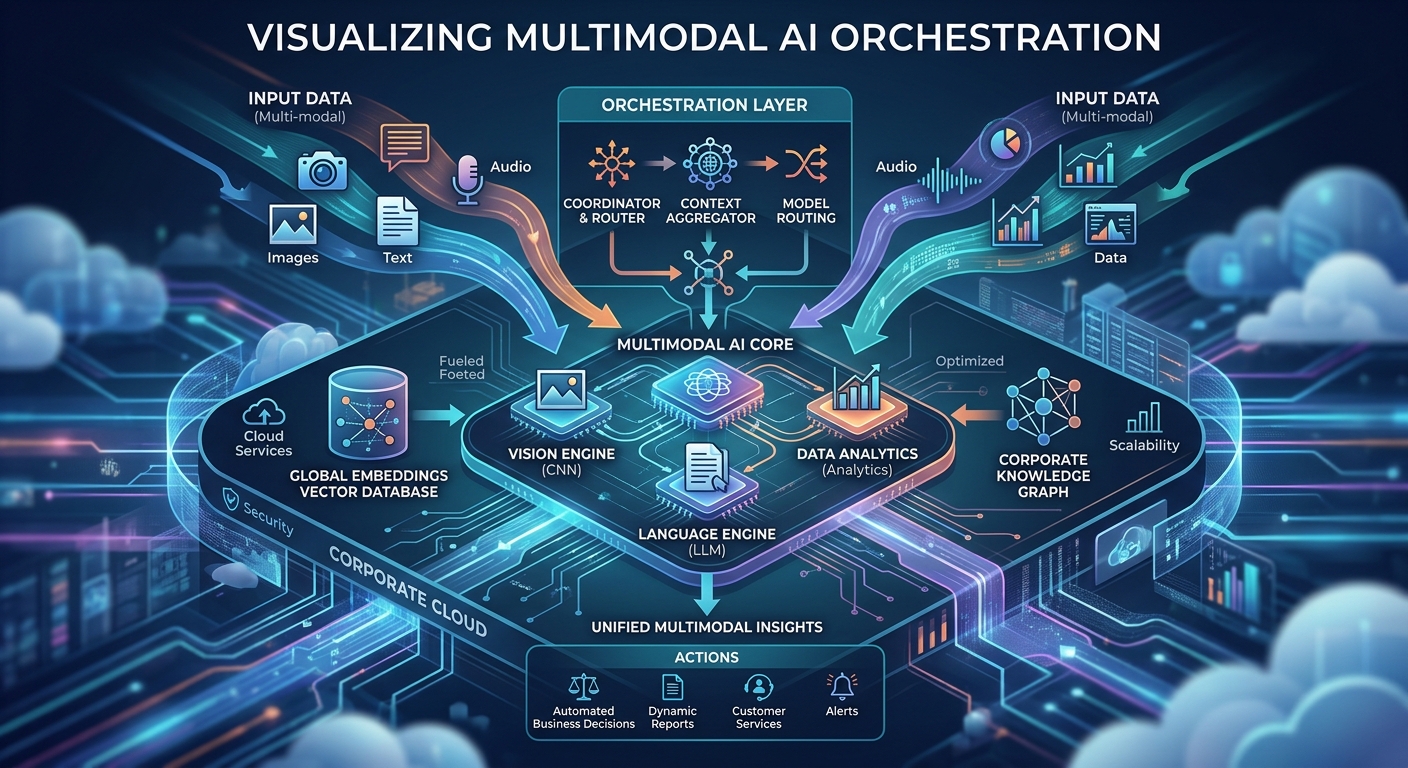
For a Chief Technology Officer or an enterprise architect, a 1T multimodal model isn't just a smarter chatbot; it is a unified orchestration engine. It allows a single system to ingest a video of a manufacturing defect, cross-reference it with textual engineering schematics, and generate a programmatic fix. However, integrating a model of this scale requires a fundamental rethinking of network bandwidth and semantic governance. You cannot bolt a 1T model onto legacy infrastructure and expect it to perform.
Consolidation and the Security Layer
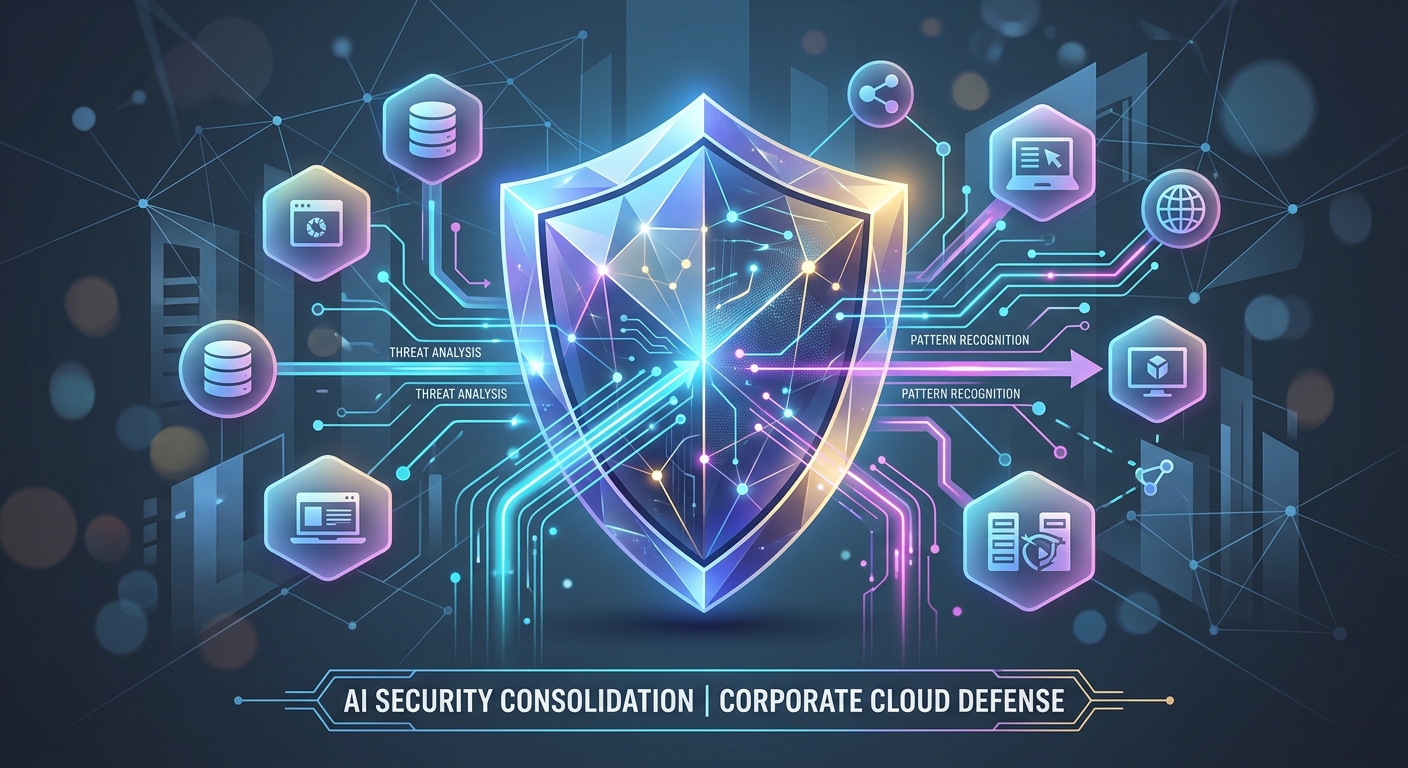
Perhaps the most telling indicator of the industry's maturity is the recent wave of strategic acquisitions in the AI security space. As models become more capable, they also become more vulnerable to novel attack vectors such as prompt injection, data poisoning, and model inversion.
We are seeing major cloud providers aggressively acquiring boutique AI security startups. This consolidation proves that security can no longer be an afterthought; it must be baked into the foundational layer of the cloud platform.
This trend aligns perfectly with the need for robust semantic governance. An enterprise cannot deploy an autonomous agent without a verifiable way to ensure its actions align with corporate policy. The integration of advanced security monitoring directly into the cloud infrastructure allows organizations to establish explicit boundaries for their AI systems, ensuring that the technology compounds value rather than compounding risk.
Localized LLMs and the Future of Edge Computing
The culmination of these trends—efficient training methods, massive multimodal capabilities, and integrated security—is driving the renaissance of edge computing. We are entering an era where localized LLMs will handle the majority of routine enterprise tasks, while complex, multimodal reasoning is routed to secure, centralized massive models.
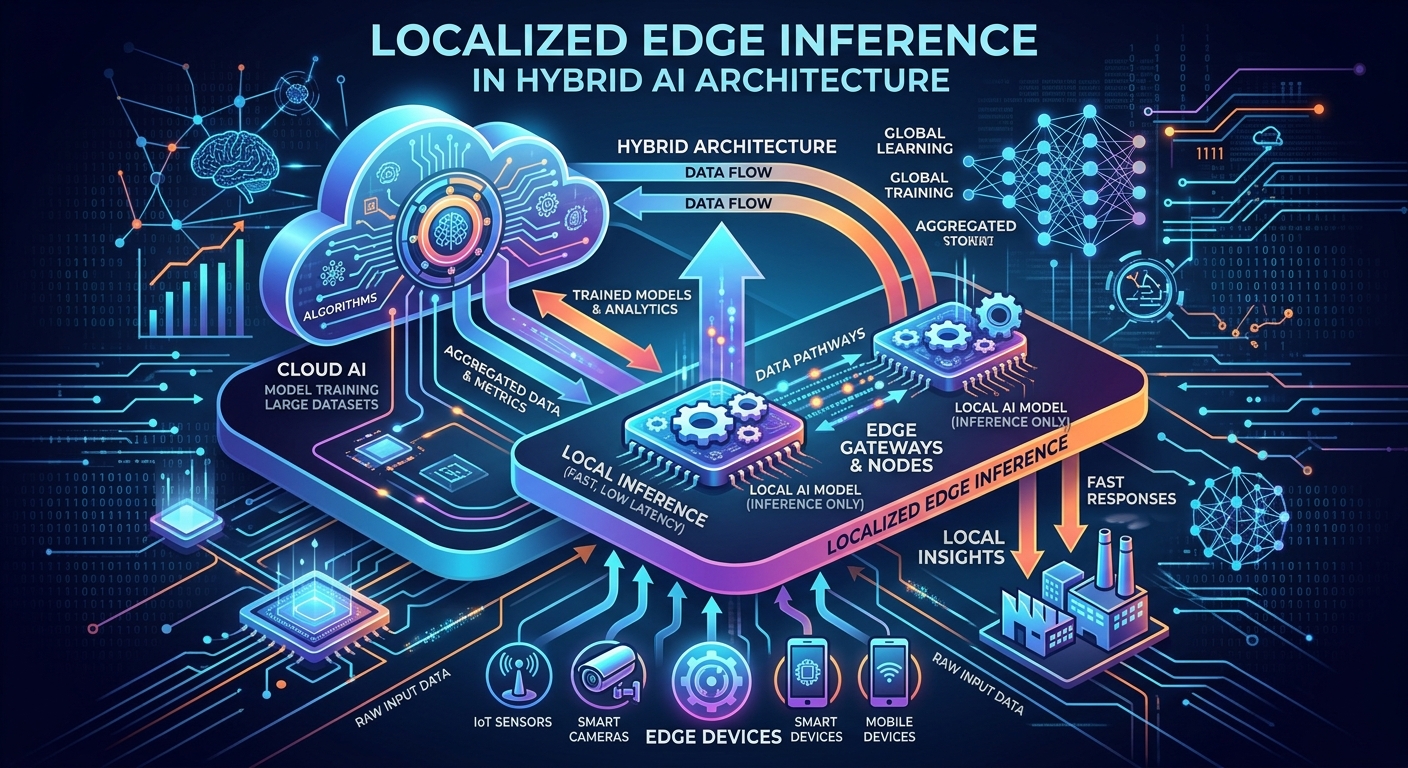
This hybrid architecture represents the pragmatic future of enterprise AI. It balances the need for data privacy and low latency with the demand for advanced reasoning capabilities.
Architectural Discipline
The reality of enterprise software is that the foundational architecture dictates the ceiling of innovation. If the data layer is disorganized, the application layer will be chaotic. As we transition into an era where AI agents are expected to operate autonomously, the imperative for clean, semantic data structures becomes absolute. Organizations must prioritize the hard, unglamorous work of data governance before they can fully realize the benefits of agentic orchestration.
The compounding value of an AI system is directly proportional to the quality of the data it operates on. This requires a cultural shift within engineering teams, moving from a mindset of 'move fast and break things' to one of 'build robust systems that scale securely.' The integration of localized inference and hybrid architectures provides a pragmatic pathway to achieving this, allowing teams to isolate sensitive workloads while still leveraging the reasoning capabilities of massive foundational models.
Ultimately, the successful deployment of AI in the enterprise is a test of organizational maturity and architectural discipline.
Conclusion
The developments of the past few weeks are not just incremental updates; they are structural shifts in the technology landscape. As leaders, our responsibility is to look beyond the hype and focus on how these changes can be integrated to create compounding value. By prioritizing security, embracing localized inference, and preparing our infrastructure for multimodal systems, we can ensure that our organizations are not just participating in the AI revolution, but actively benefiting from it.