BLOG // 2026.04.28 // 06:00 SGT
Google Next 2026: Enterprise AI's Deployment Friction — Beyond the Demo
Google Cloud Next 2026 pushed Gemini into enterprise, yet the hard truth for builders is the immense friction of deployment—from geo-political realities to APAC's regulatory mosaic—far beyond the shiny demo.
Google Cloud Next 2026 just wrapped, and the big takeaway is Gemini being "inside your buyers' business software." That's the headline. But for anyone actually building and deploying, the real story isn't about a new feature set. It's about moving from demo to deployment—and the immense friction involved.
AI in the Enterprise: Beyond the Shiny Demo
When Google pushes Gemini into enterprise applications, it signals a shift. We're moving past the "look what AI can do" phase to "how does AI integrate with what you already do." This isn't about replacing core systems overnight. It's about augmenting them, often through automation layers. Comarch, for instance, talks about optimizing EBITDA through EDI, e-invoicing, and hyperautomation. This is the brass tacks of enterprise value — tangible financial impact, not just conceptual improvements.
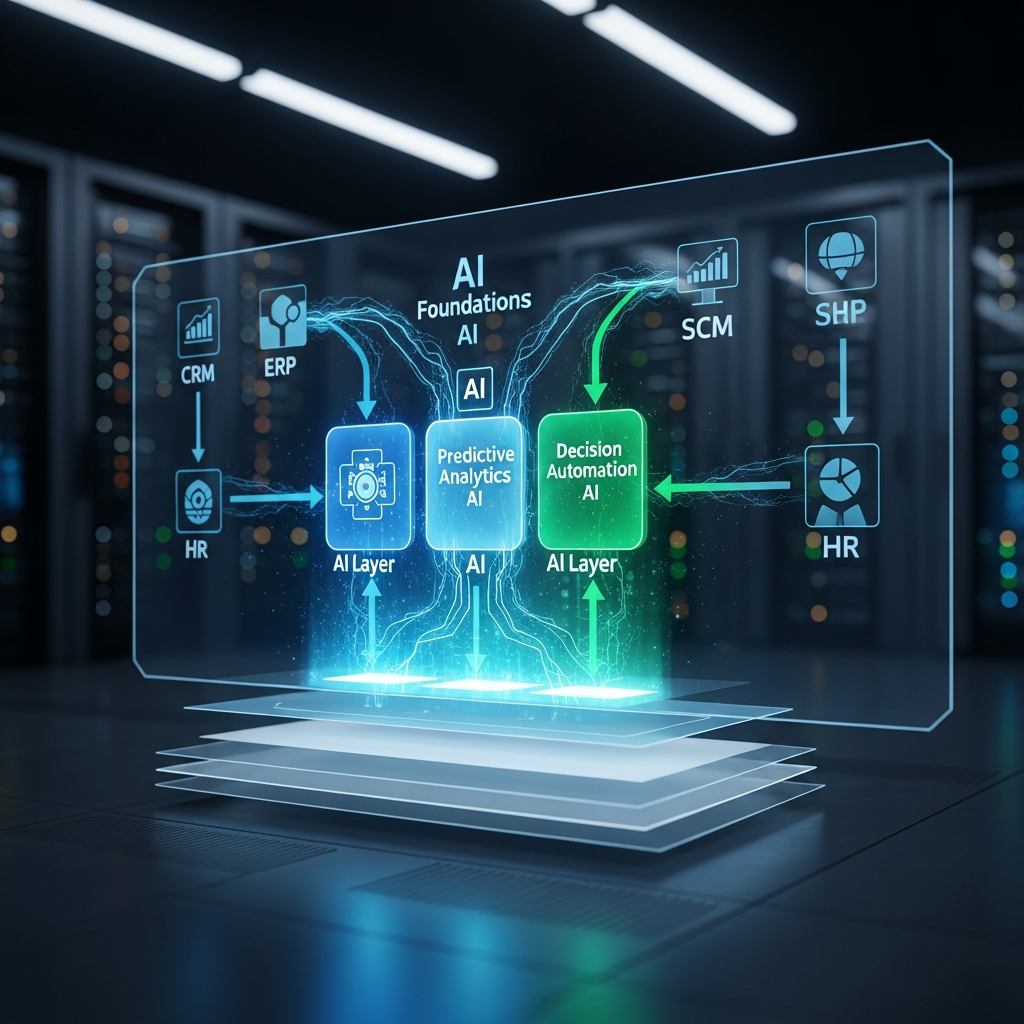
Yet, for all the talk of seamless integration, the devil is always in the details. Cite Solutions highlighted the geo implication nobody covered at Google Cloud Next 2026. This isn't just a technical challenge; it's a regulatory, compliance, and even political one. Data residency, local market nuances, specific privacy laws in Singapore or across APAC—these aren't afterthoughts. They are foundational constraints. Rolling out a global AI solution means navigating a mosaic of legal frameworks, not just deploying code. How many enterprises truly grasp the complexity of this, beyond the vendor's simplified pitch? The promise of hyperautomation is compelling, but the path to realizing it is paved with existing technical debt and jurisdictional headaches. Real enterprise AI value is built on robust, compliant integration, not just raw model performance.
The Unfolding AI Backlash & Geopolitical Reality
The enterprise push happens against a backdrop of increasing friction. Just last week, China blocked Meta's $2 billion AI acquisition. This isn't a simple market rejection; it's a clear signal of escalating tech tensions. AI is no longer just a commercial product; it's a strategic national asset, and its ownership and control are becoming deeply politicized.

The question isn't if there's an AI backlash, but rather if the AI labs themselves are ready for it. This isn't just about public perception or ethical guidelines. It’s about hard security. We're seeing articles touting a "new frontier" in AI security with a 44-second response time. That sounds impressive until you consider the speed of modern cyberattacks or state-sponsored intrusions. Is 44 seconds enough when the stakes are geopolitical, when supply chains are intertwined, and when critical infrastructure could be at risk? The cost of an AI security failure isn't just financial—it's strategic. We're entering a phase where AI's promise is tempered by its inherent risks and the very real possibility of nationalistic protectionism. The notion of a free-flowing, global AI ecosystem is rapidly giving way to a more fragmented, regulated, and guarded reality.
The Enduring Bottlenecks: Talent and Training Data
While the grand narratives of enterprise deployment and geopolitical friction play out, the ground-level realities remain stubborn. We're still grappling with fundamental bottlenecks. Hiring data engineers and ML engineers in 2026 remains a significant challenge. The demand far outstrips supply, and the skills required are evolving rapidly.

New-age tech schools like Scaler School of Technology are trying to fill this gap, even suggesting a tech career pivot without a coding background. But the industry needs more than just enthusiasm; it needs deep technical expertise. The question for parents and students isn't just about getting into a program, but about whether these institutions can truly prepare graduates for the brutal realities of the 2026 job market. The gap between theoretical knowledge and deployable skills remains wide.
Then there's the data. Good models are built on good data, and getting enough of it, clean and labeled, is a perennial headache. This isn't a new problem, but it's one that scales directly with AI ambition. It's why the Reppo Foundation securing $20 million to solve the training data bottleneck using prediction markets is noteworthy. This capital commitment underscores a critical, often overlooked truth: the sexiest models are useless without a robust, scalable data pipeline. We can talk about foundation models all day, but if you can't feed them relevant, high-quality, domain-specific data, their enterprise value quickly diminishes to zero. The investment in prediction markets for data sourcing highlights the desperation—and the opportunity—in addressing this foundational constraint.
The headlines often focus on the incredible capabilities of AI. But for operators, the real story is in the grind: the integration challenges, the regulatory hurdles, the security risks, and the persistent struggle to find talent and feed these systems with quality data. The future of AI isn't about what a model can do, but what your organization can realistically deploy and maintain against a backdrop of escalating complexity and constraint.