BLOG // 2026.04.12 // 22:01 SGT
From Co-Pilot to Agent: The AI Plumbing Problem
We are moving toward autonomous agents—but a slick demo means nothing if your engineering plumbing cannot survive the brutal reality of production integrations.
In software, as in life, time is the ultimate constraint. You get a finite allocation across three domains: career, family, and finance. Everything else is noise. Right now, the AI industry is generating an unprecedented amount of noise — and it is costing engineering teams their most valuable resource.
We are constantly bombarded with demos of autonomous agents doing incredible things in controlled environments. But a demo is not a deployment. When you are the CTO trying to keep a platform running on a Tuesday night in Singapore, you don't care about a slick video on X. You care about metrics, compounding value, and whether this new tool is going to break your existing integrations.
The landscape is shifting, but not in the way the hype machine wants you to believe.
The Protocol is the Product
At ShopBack, we didn't scale across APAC because we wrote the most elegant code in the world. We scaled because we ruthlessy standardized our integration points. Point-to-point integrations kill engineering velocity.
Everyone is currently obsessed with the intelligence of the models, but the real bottleneck is the plumbing. We are clearly moving from co-pilot to autonomous agent — a massive paradigm shift for software engineering. But autonomous agents are entirely useless if they cannot reliably talk to your internal databases, your CRMs, and your localized APIs.
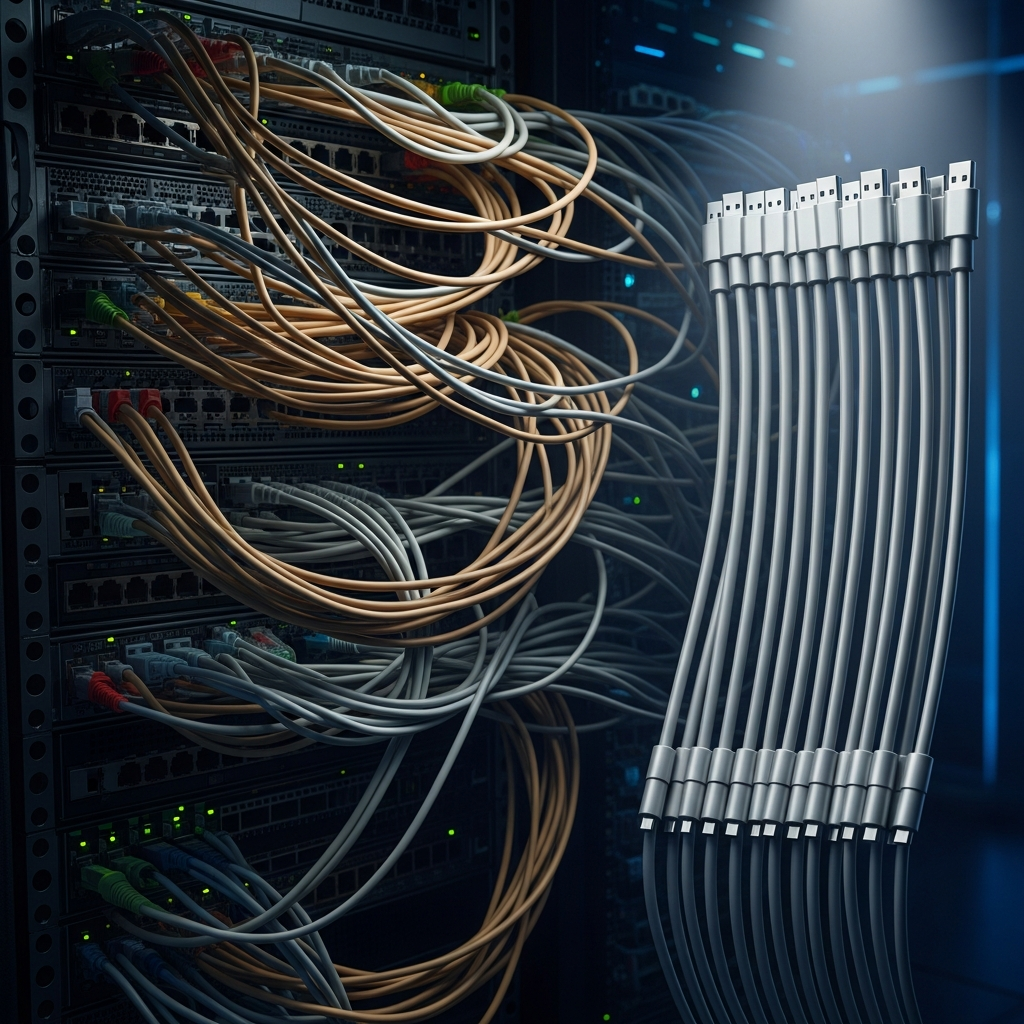
This is why the Model Context Protocol (MCP) is the most important development you aren't paying enough attention to. It is already being called the USB-C of AI, and for good reason. You cannot compound enterprise value if every new AI agent requires a bespoke integration layer. Standardizing how agents access context turns a fragile science project into a resilient enterprise deployment. If you don't standardize the inputs, your agent is just a very expensive random number generator.
Valuation vs. Verification
Capital continues to flood the foundational layer. We've all seen the headlines dissecting what Anthropic's $30B means for the broader ecosystem. Big numbers look great on TechCrunch. But capital doesn't solve the last-mile problem of enterprise software.
When I was at Amazon, a 0.1% error rate at scale meant millions of dollars lost and thousands of angry customers. Today, out-of-the-box AI agents routinely exhibit error rates that would get a junior engineer fired. If your AI agent hallucinates a database drop or offers a customer a non-existent refund, do you care about the foundational model's market cap?
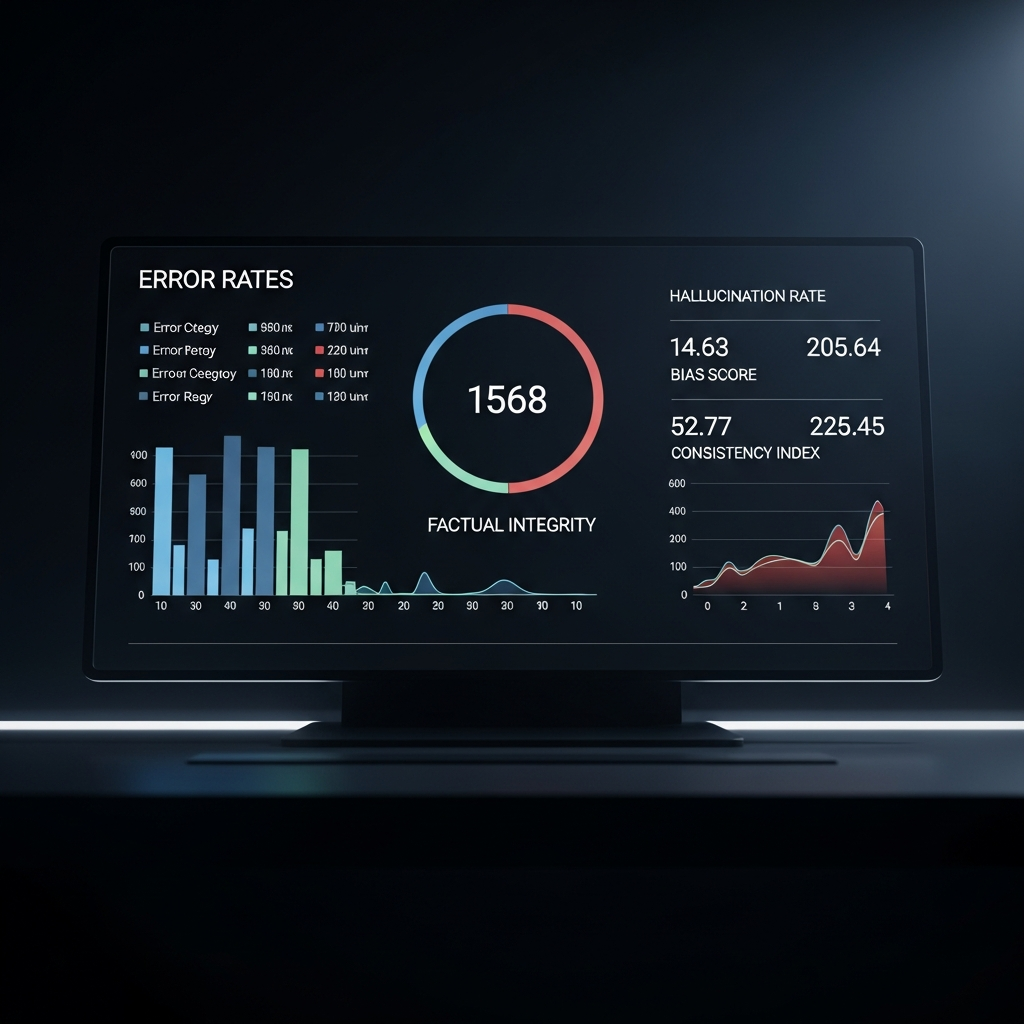
We have to stop treating these models as magic and start treating them as software components that require rigorous testing. The industry is finally waking up to this. The development of frameworks like COMPEL, which specifically target grounding, retrieval, and factual integrity for AI agents, is where the actual work is happening. A foundational model's valuation is a vanity metric. Its factual retrieval rate in your specific production environment is an operational metric. Optimize for the latter.
The APAC Pragmatism
There is a stark contrast in how AI is being operationalized depending on where you sit on the map. The West is currently trapped in philosophical debates about AGI timelines and existential risk. Here in APAC, the focus is ruthless pragmatism.
Look at the mainland. The narrative around how China fell for a lobster and what an AI assistant tells us about Beijing's ambition is incredibly telling. The ambition isn't necessarily to build a digital god. The ambition is to embed AI into the daily, unglamorous operational grind of commerce, hardware, and manufacturing. They are plugging these systems into supply chains and consumer applications right now, dealing with the friction, and iterating.
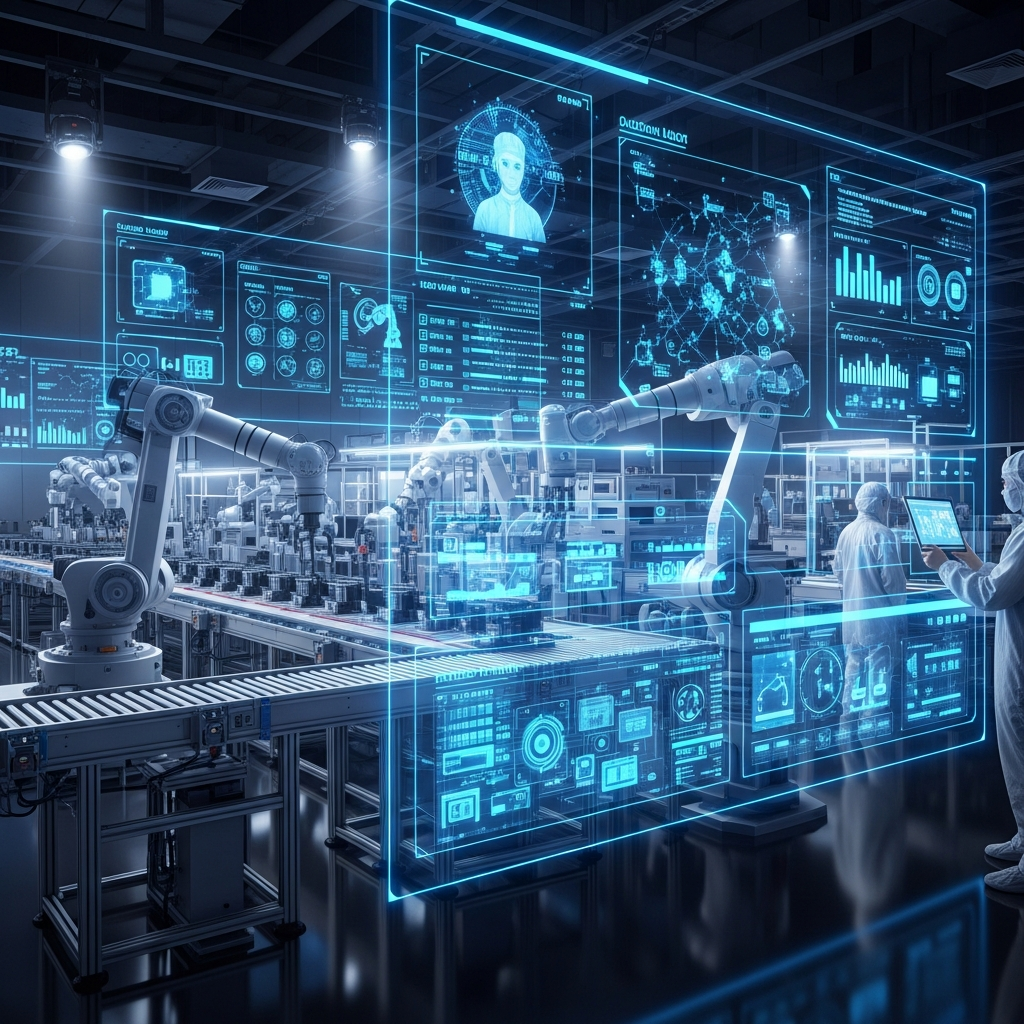
The winner of the autonomous agent race won't be the team with the smartest underlying model, but the team with the tightest feedback loops in production. It is about applying orders of magnitude more compute to solve boring, high-value business problems.
Stop chasing the smartest model. Start building the strongest harness.