BLOG // 2026.04.29 // 14:00 SGT
Enterprise AI's Agentic Shift: Your Custom GPTs are Done
OpenAI's Workspace Agents signal a brutal truth: enterprise AI is shifting from reactive custom GPTs to always-on, proactive systems embedded directly into your workflows.
We’re past the point of asking if AI is here. It’s here, and it’s moving faster than most executives — hell, most engineers — can keep up with. The discussions are no longer about demos, but about deployments. Not about potential, but about practical, often brutal, realities. Today is April 29, 2026. Let's talk about what's actually happening on the ground.
The Agentic Shift: From Bots to Always-On Intelligence
For a while, we’ve been building custom GPTs, fine-tuning models for specific tasks. It felt like progress. But it was still largely reactive, a prompt-response loop. What’s emerging now is a different beast: the agentic system. OpenAI's latest move is a clear signal here: they’re launching Workspace Agents for Enterprise, designed as "Codex-Powered, Always-On Bots" to replace those custom GPTs in environments like Slack, Salesforce, and Google Drive. This isn't just about a new product; it's about a fundamental shift in how AI operates within an organization.

Think about it: "always-on" isn't a marketing buzzword here—it's an architectural paradigm. It means these agents aren't waiting for a prompt; they're observing, learning, and acting proactively within your workflows. This is the "intelligent execution layer" that companies like Tearline are building towards, aiming to seamlessly integrate AI actions into complex processes. This isn't just automating a task; it's about AI becoming an active participant in decision-making and operational flow. The implication for engineers is profound: we're no longer just building tools for humans to use, but building systems for AIs to interact with, to be managed by other AIs. The surface area for integration, for security, for governance—it explodes. The lazy JWT key rotation practices, for example, will become critical vulnerabilities in an agent-driven world where AI can exploit misconfigurations faster than any human. This changes the game for how we design, secure, and monitor our enterprise tech stacks.
The Cold Hard Reality of AI Scale: Compute, Cost, and Competitive Moats
You hear about "large models" all the time. But do you really grasp the sheer scale required to build them? Xiaomi just revealed details for their MiMo-V2-Pro training: 1 trillion model parameters, deployed across "thousands of GPUs." This isn't something you spin up on a credit card. This is nation-state level infrastructure. This is a capital expenditure problem, not just a software one.

The race to build these foundational models is an arms race for compute, for energy, for talent. It's why we see geopolitical plays like China blocking Meta's $2 billion Manus AI deal—it's not just about a company, it's about control over strategic AI capabilities. These are not just abstract numbers; they are barriers to entry. If you don't have access to thousands of GPUs, to engineers who can tune a 1T parameter model, you're not playing in the same league. And for startups, this means you need to be exceptionally clever about leveraging existing models, focusing on niche applications, or building truly novel architectures that sidestep the raw compute arms race. The alternative is getting lost in the "800,000 models" on Hugging Face, trying to find a signal in the noise without the resources to truly differentiate. The compounding effect of these massive investments means the gap between the haves and have-nots will only widen.
AI's Impact on Markets and Talent: New Rules of Engagement
The narrative around AI has often focused on how humans will use it. But what happens when AI itself becomes a consumer? Ukrainian retailers Rozetka, Prom, and Epicentr are already navigating this, sharing their experiences on "how businesses can sell to AI." This isn't a futuristic concept; it's happening. AI agents are shopping online, making purchasing decisions based on parameters we’re only beginning to understand.
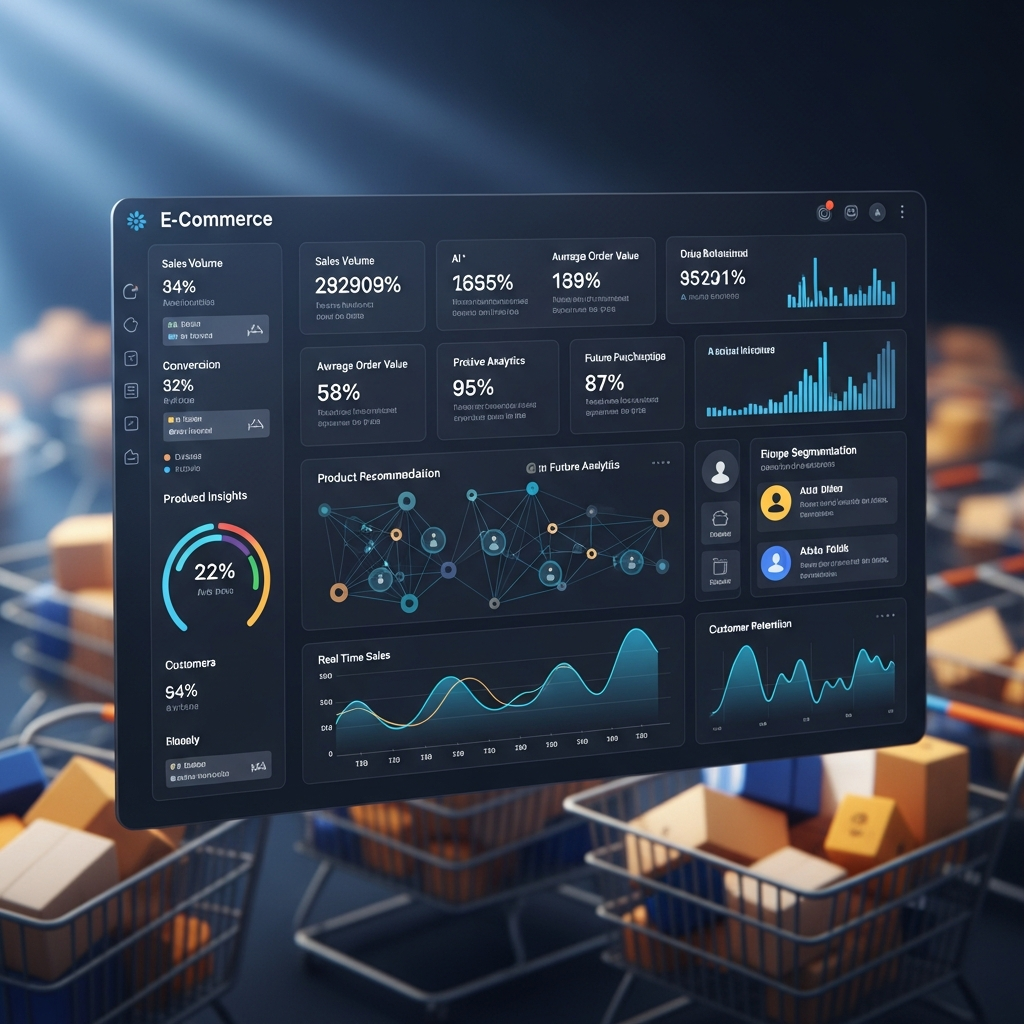
This flips the traditional marketing and sales playbook on its head. How do you optimize your product listings for an AI buyer? What prompts does an AI respond to? It’s a new frontier for SEO, for pricing strategy, for supply chain optimization. Beyond this, the regulatory landscape is scrambling to catch up. The UK's Financial Conduct Authority (FCA) is running live AI testing with giants like Barclays, Lloyds, and UBS. This isn't theoretical sandbox play; these are real banking apps, real customer data, real risks. This tells you that the regulatory bodies are moving past "what if" to "how do we ensure safety and fairness now." The market for AI talent is also shifting rapidly. The GCC region, for example, is seeing a significant AI build-out, mapping out careers for 2026. This isn't just about hiring more data scientists; it's about understanding the specific roles required for an agentic, scaled, and regulated AI future—roles that blend deep technical expertise with a nuanced understanding of business, ethics, and compliance.
The future isn't about simply adopting AI. It's about adapting to an ecosystem where AI is an active, autonomous participant in our markets, our enterprises, and our daily lives. Ignore the hype. Focus on the infrastructure, the economics, and the unforgiving reality of deployment. The clock is ticking.