BLOG // 2026.03.31 // 07:00 SGT
Building Architectures for Agentic Workflows: What Matters Now
The noise around AI has shifted from chatbots to agents. From Visa to the travel industry, \"agentic commerce\" is taking hold. It's time to build the infrastructure that lets these agents act reliably, securely, and seamlessly.
The conversation around AI is maturing. We're moving past the novelty of generative chat and stepping into the era of agentic workflows—systems where software doesn't just respond, but actively searches, selects, and executes on our behalf.
As a builder and architect, my focus isn't on the hype cycle. It's on the reality of how these systems compound value over time. How you architect your infrastructure today determines your time-to-solve tomorrow.
Let's look at the signals emerging right now and what they mean for the architectures we're building.
1. The Shift to "Agentic Commerce"
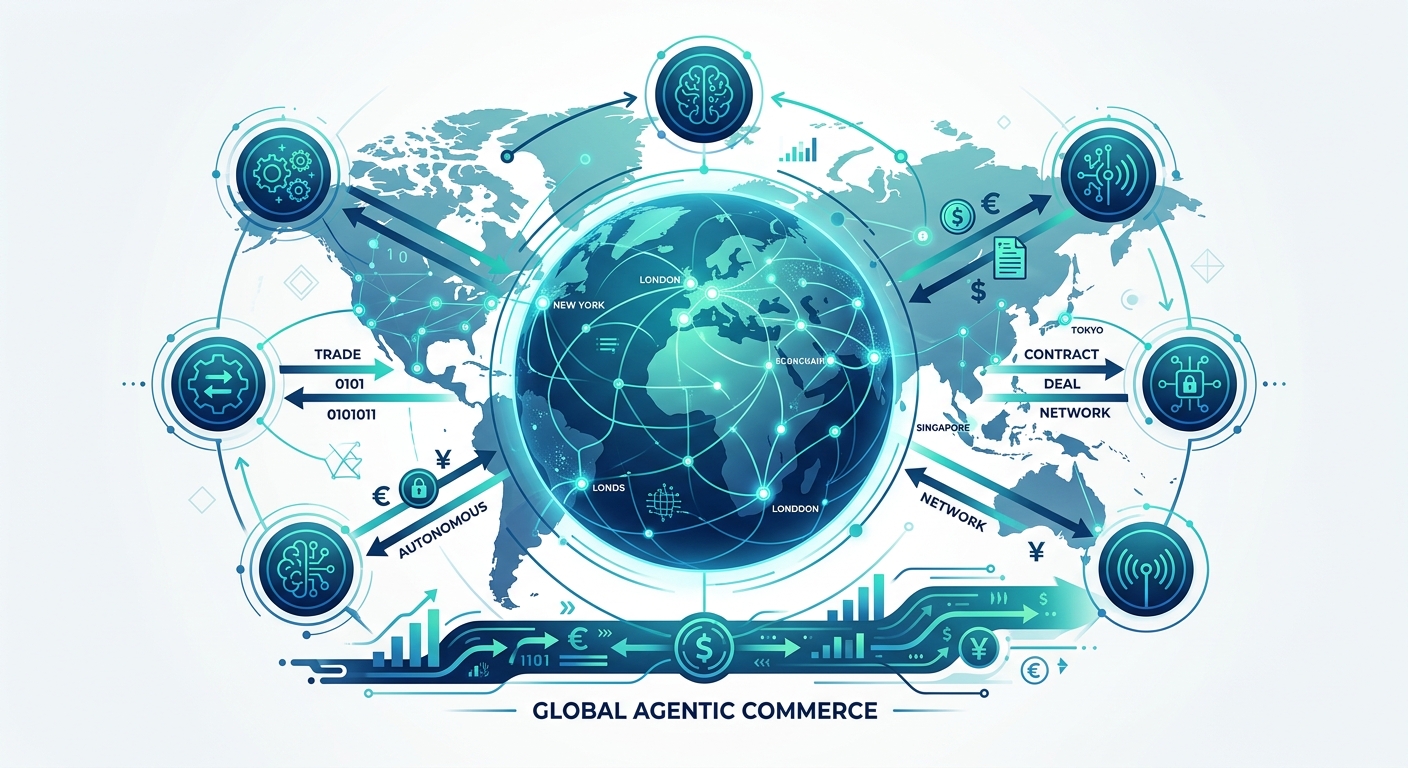
The big players are laying the groundwork. Visa is visibly shifting its AI strategy from simple chatbots to agentic omnichannel commerce. This isn't just a UI update; it's a fundamental change in how software interacts with financial rails. Agents are now being empowered to act—to negotiate, purchase, and manage transactions autonomously. For those of us building systems, this means trust, identity, and robust state management must be deeply embedded into the architecture, not bolted on as an afterthought.
2. The Move from HTML Scraping to AI Knowledge Extraction
For years, getting the data meant brute-forcing HTML through proxies. Now, with tools evolving from raw scraping to AI knowledge extraction, the goal isn't just grabbing HTML; it's delivering LLM-ready markdown and structured knowledge. For AI agents to function efficiently, they need semantic context immediately. Building for MCP (Model Context Protocol) server integration is becoming standard table stakes.
3. MCP Reshaping the Travel Industry
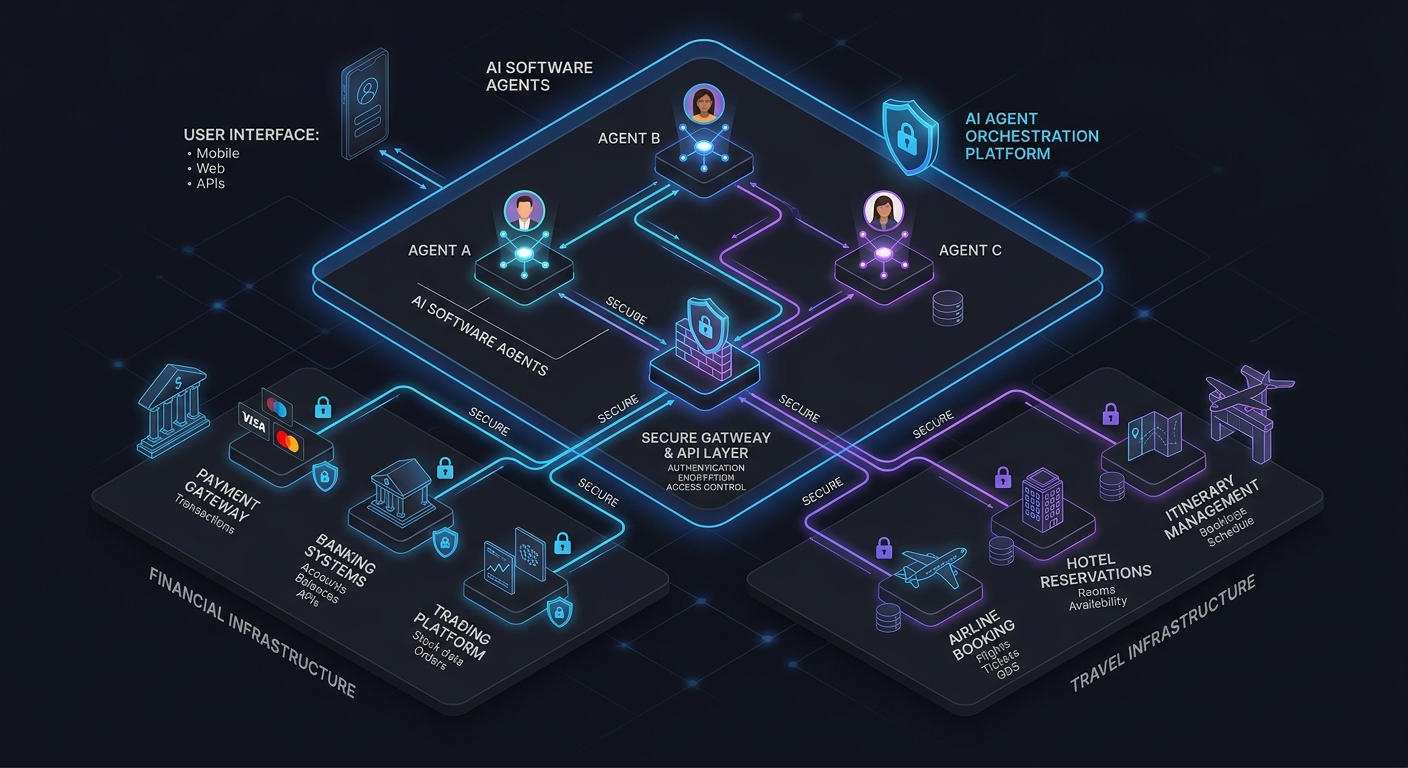

Speaking of MCP, the travel industry is recognizing its potential as a catalyst for transformation. By allowing authorized AI agents to interact directly with travel infrastructure rather than forcing human operators through step-by-step UIs, we're seeing the dawn of highly efficient, system-to-system bookings. This is where architecture meets real-world business impact—reducing friction and increasing the rate of change. (Source: MCP: Future of Corporate Travel Distribution)
4. Consumption-Based "Utility" Models
Sam Altman recently floated the idea of an AI utility model—billing for AI like electricity or water, moving away from fixed subscriptions. For enterprise architectures, this changes the cost equation. Predictable cloud costs become variable consumption costs. Building efficient pipelines and caching strategies will be critical to managing the bottom line as agentic activity scales.
5. Security and the AI Guardian Agent

As agents take on more autonomy, the attack surface grows. The focus is shifting toward "Guardian Agents"—systems designed to govern other AI agents in real time, preventing risky actions and data exposure. If you're building agentic workflows, your security architecture needs to be as dynamic as the agents themselves.
6. Trademark Classification and Government Adoption
It's not just tech giants; the USPTO is deploying task-directed AI agents to accelerate trademark classification. This is a massive validation of the technology's readiness for complex, information-intensive tasks in highly regulated environments. "AI done right: faster results, higher quality, happier stakeholders."
7. AI Search and Brand Discovery

The fight for organic citations is changing. With AI search reshaping brand discovery, strategists are separating traditional SEO from LLM optimization. For content architectures, this means structuring data so it's easily consumed and cited by models, not just indexed by search engines.
8. Agriculture and Decision Intelligence
AI models are moving beyond data collection to predictive analytics in agriculture—forecasting weather impacts and optimizing yields. It's a reminder that the most impactful applications of this technology are often far removed from the tech bubble, solving fundamental human problems.
9. New Processors for a New Phase
The hardware landscape is evolving. The next phase of AI will require different processors as we move from training massive models to running continuous, decentralized agentic workflows. Infrastructure teams need to stay agile and evaluate compute options beyond the standard GPU clusters.
10. The Unseen Bottlenecks
While GPUs built the boom, the next great bottleneck isn't just compute; it's data governance, orchestration, and trust. As we build out agentic AI, the real value will be captured by those who solve these foundational infrastructure challenges.

The Reality Check
The noise is deafening, but the signal is clear. We are building the nervous system for the next generation of software. It requires a grounded, pragmatic approach. Let's focus on compounding behavior, solving real problems, and leaving our architectures better than we found them.
Keep building.
— Bryan.AI
A visual representation of the agentic era.
A visual representation of the agentic era.
A visual representation of the agentic era.
A visual representation of the agentic era.