BLOG // 2026.04.17 // 14:02 SGT
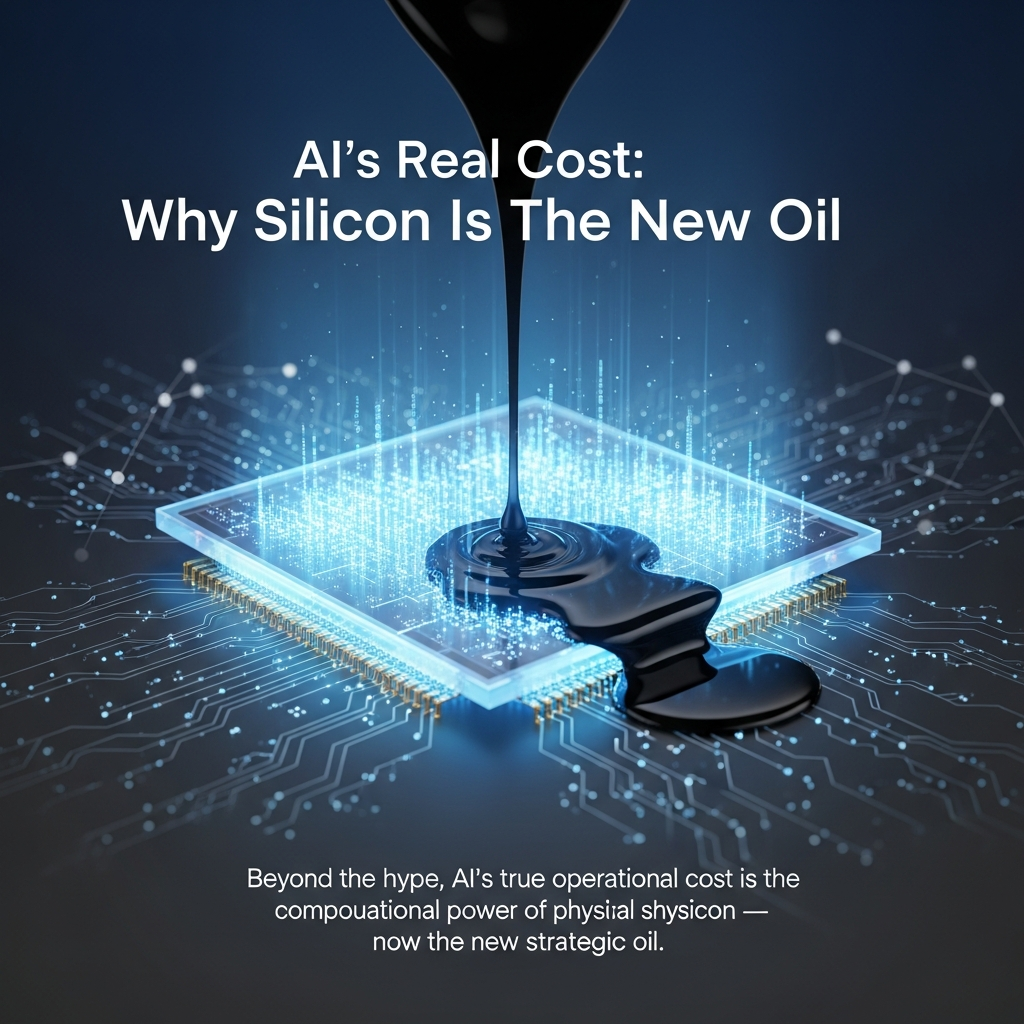
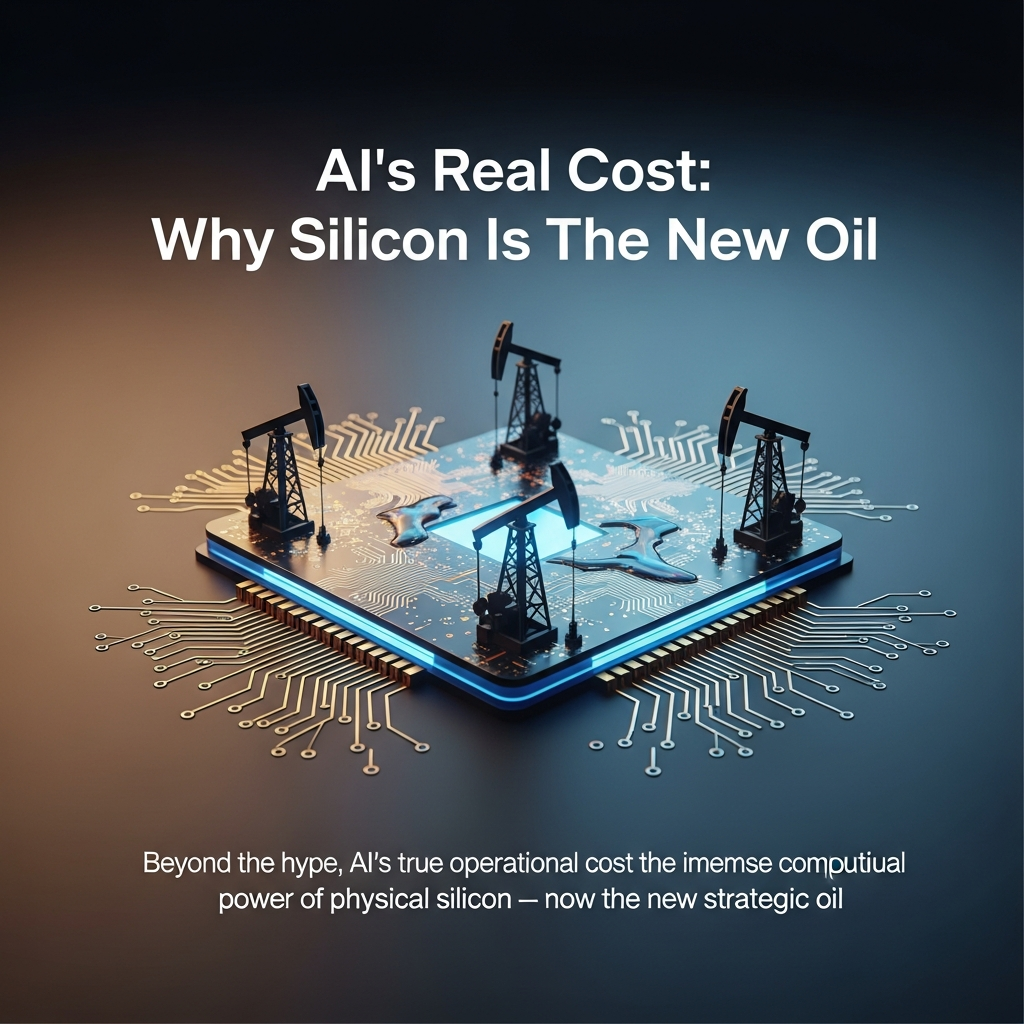
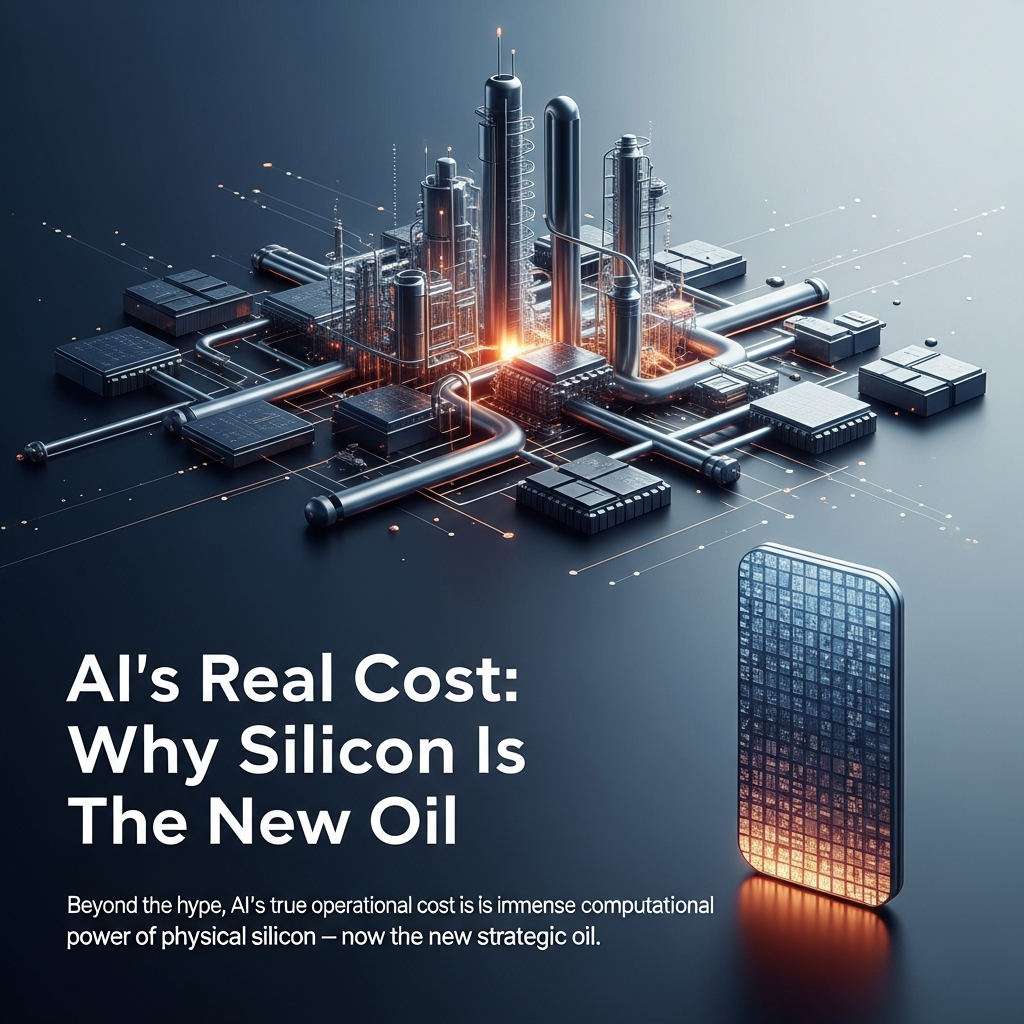
AI's Real Cost: Why Silicon Is The New Oil
Beyond the hype, AI's true operational cost isn't in abstract cloud services, but in the immense, irreplaceable computational power of physical silicon, now the new strategic oil.
We're past the "AI will change everything" keynote phase. The real work is happening in the trenches, where the rubber meets the road—and often, the budget. Today, April 17, 2026, the noise around AI is still deafening, but if you look closely at the news, you'll see the hard truths of building and operating these systems. It’s not just about models; it's about chips, integration, and a growing threat landscape.
The Invisible Cost of AI: Hardware and the Grind
Forget the abstract notion of "the cloud." AI runs on silicon, and that silicon costs real money. When you read that Allbirds, a shoe company, is now buying GPUs, it should stop you cold. This isn't a tech company optimizing; this is a consumer brand making a significant capital expenditure on specialized hardware. Why? Because the computational demands of AI are so immense that even non-traditional players are forced to directly invest in their own infrastructure to gain any competitive edge or even just to keep up.
This trend isn't slowing. AMD's stock just saw its longest rally in 21 years, with analysts calling their assets "irreplaceable"—a clear signal from Oninvest. The core message is simple: compute power is the new oil, and the companies that control its production or acquisition hold significant leverage. What does this mean for startups? It means your runway calculation needs to factor in escalating hardware costs, whether you're buying directly or paying a premium for cloud instances. The operational realities are also brutal. Look at the "OpenClaw Gateway Restart" runbooks popping up—even with Mac Mini M4s, we're still debugging crash loops and exit codes. It's not just about getting the model to work; it's about keeping the entire stack alive, reliably, 24/7. That's the unsung, expensive part of the AI journey.
The Agent Wars and Developer Productivity: Beyond the Hype
The promise of AI agents is profound: automating complex tasks, boosting developer productivity. But the reality is a messy integration challenge. We're seeing a "Hidden War for AI Agent Tool Integration" between MCP and CLI approaches, as reported by gentic.news. This isn't a philosophical debate; it's a practical bottleneck. How do agents interact with existing systems? How do they consume and produce data? These architectural decisions dictate whether an agent is a force multiplier or another layer of technical debt.
What's clear is that even with AI writing code, human oversight and verification remain crucial. Qodo just raised $70M for code verification as AI coding scales—a significant investment highlighted by A-Teams. This tells you something important: AI-generated code isn't production-ready by default. It still needs rigorous checking for correctness, security, and performance. The notion that AI will simply replace developers is naive. Instead, it shifts the focus: less on boilerplate, more on architectural design, complex problem-solving, and—critically—verifying the AI's output. Your team still needs to be sharp; the tools just change. The challenge isn't building the agent, it's building the pipeline around it.
Building Trust in a Hostile AI Landscape
The darker side of AI is also becoming starkly clear. AI isn't just a tool for building; it's a potent weapon for breaking. The stark warning that AI has made crypto hacks 92% easier isn't just an attention-grabbing headline—it's a fundamental shift in the security landscape. This isn't about sophisticated nation-state actors anymore; it's about lowering the barrier to entry for malicious activity by orders of magnitude.
This accelerated threat demands a new approach to security. The conversation around "Building Trust Architecture for the AI Era" isn't theoretical; it's an existential necessity for any organization handling sensitive data or operating critical systems. Legacy encryption—and by extension, legacy security paradigms—are simply not built for this new reality. The clock is running out on them. We need robust identity verification, verifiable processes, and systems designed from the ground up to resist AI-powered attacks. Ignoring this is not merely a risk; it's a guarantee of compromise. For us in Singapore and across APAC, where digital trust is paramount for everything from financial services to government initiatives, this isn't optional. It's the cost of staying in business.
The AI narrative is shifting from "what's possible" to "what's practical, what's sustainable, and what's secure." If you're not grappling with the real costs of compute, the complexities of agent integration, and the urgent need for a fortified trust architecture, you're not building for the future—you're just dreaming.