BLOG // 2026.04.30 // 14:00 SGT
AI's Production Chasm: Meta's Cuts and Agent Reality
Meta's strategic AI re-alignment reveals the immense gap between compelling agent demos and the complex, controlled reality of secure production deployment.
The headlines today are a stark reminder: AI isn't some distant R&D project anymore. It's here, reshaping org charts and forcing critical decisions. Look at Meta — they're cutting 8,000 jobs, citing an "AI shift" as the reason. That's not a small pivot; it’s a strategic re-alignment, a reallocation of immense capital and human effort towards a future they believe is dominated by AI. This isn't just about efficiency gains; it's about making a bet on where the next orders of magnitude of growth will come from, and the cost of being wrong.
AI Agents: Beyond the Demo, Into Production Reality
Everyone's talking about AI agents. The concept sounds powerful: autonomous entities executing tasks, making decisions. On paper, it's compelling. We're seeing more specific tools emerge, like harbor — AI Infrastructure Agent and devctx — Code & Development Agent, both listed on MeshKore. These aren't just abstract ideas; they're frameworks designed to build and deploy these agents. The industry is churning out the plumbing.
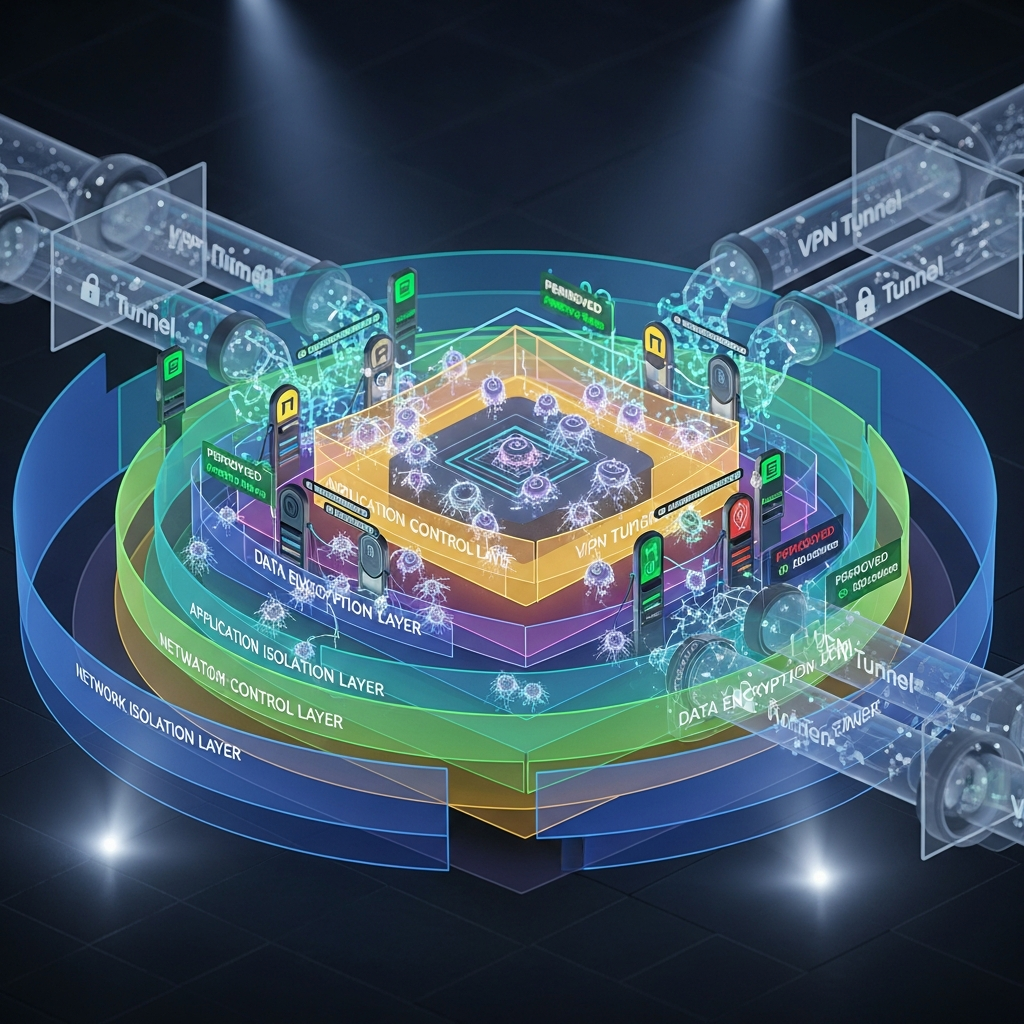
But here's the kicker: the gap between a compelling demo and a robust, secure production deployment is immense. It's not just about getting an agent to do something; it's about controlling what it does, how it does it, and who it does it for. We're already seeing critical infrastructure being built around this reality. Windscribe, for instance, is integrating VPN support for autonomous AI agents Windscribe Integrates VPN Support for Autonomous AI Agents. This isn't a feature for a toy project; it's a fundamental security and privacy layer, acknowledging that these agents will operate in complex, distributed environments where data integrity and access control are paramount.
The real hard work, the unsexy part, is in managing the risks. A recent post from CallSphere's blog highlights the "Rise of Agent Permissions and Sandboxing in Production Agent Stacks" From Australia: The Rise of Agent Permissions and Sandboxing in Production Agent Stacks | CallSphere Blog. This is the conversation we need to be having. Without granular permissions, robust sandboxing, and clear audit trails, agents become liabilities. How do you prevent an autonomous agent from making an irreversible, costly mistake? Or worse, from being exploited? And how do you even detect it? Moodle is already hosting a webinar on "AI Agents and detection tools for the LMS" Join the Moodle Webinar on AI Agents and detection tools for the LMS, which tells you all you need to know about the immediate challenges. We're past the "what can it do" and deep into the "what can it break, and how do we stop it." The operational overhead for truly autonomous agents will be significant, demanding new security paradigms and rigorous engineering.
Enterprise AI: Strategic Shifts and Hard Choices
The enterprise is moving. Slowly, perhaps, but with serious intent. It's not just startups playing in this space anymore. Freshfields, a major global law firm, has inked a multi-year partnership with Anthropic Freshfields inks multi-year partnership with Anthropic – Legal Business. This isn't a pilot project; it's a multi-year commitment. Legal work, with its immense volume of documentation and need for precision, is a prime candidate for AI augmentation. This kind of partnership signals a strategic shift in how core business functions will be performed—not just incrementally better, but fundamentally different.
This shift, however, comes with a cost, and often, with difficult decisions about human capital. Meta's recent move to cut 8,000 employees as part of an "AI shift" is a stark example Meta Cuts 8,000 Jobs for AI Shift: Del Rio, Texas Impact. When a company of that scale makes such a move, it’s not merely about optimizing existing operations. It’s about re-prioritizing engineering talent and budget towards new AI-centric initiatives. The implication is clear: roles not directly contributing to or enhanced by AI are vulnerable. This isn't fear-mongering; it's the economics of innovation and competitive advantage playing out in real-time.
For every enterprise, the question isn't if AI will transform their business, but how fast and how effectively they can integrate it. The "AI Agents and Enterprise Transformation: A Case Study" on Growthbase.live suggests there are blueprints emerging. But these transformations are rarely smooth. They demand significant investment in new infrastructure, new skillsets, and often, a painful re-evaluation of legacy systems and processes. The real challenge for incumbents isn't just building AI, but rebuilding their entire operating model around it.
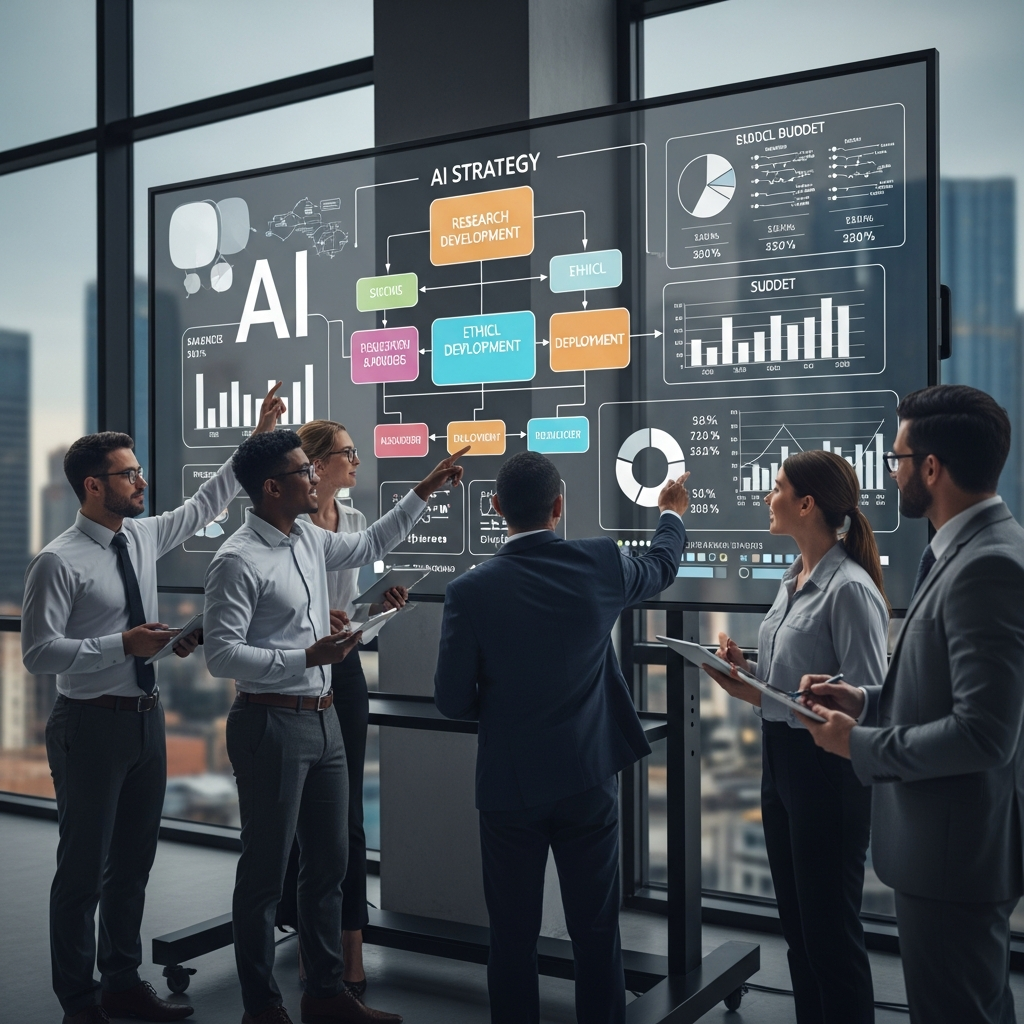
The noise around AI continues to be deafening, but the signal is getting clearer. It's not about the next flashy demo; it's about the pragmatic, often difficult, work of integrating these capabilities into the messy reality of production systems and existing organizations. The companies that will thrive aren't just experimenting—they're making calculated, costly bets on infrastructure, security, and a transformed workforce. For builders and operators, this means less chasing the shiny object and more focusing on the bedrock: permissions, sandboxing, data integrity, and the very real human impact of strategic re-prioritization.