BLOG // 2026.04.18 // 14:01 SGT
AI's $1.5B SDLC Valuation: A Reality Check for Enterprises
While AI coding platforms like Factory fetch $1.5B valuations, the real enterprise gains in the SDLC will come from deep, quiet integration and fundamental problem-solving, not wholesale engineer replacement.
The news cycle today, April 18, 2026, feels like a microcosm of where enterprise AI truly stands: a mix of eye-watering valuations, aspirational promises, and the quiet grind of solving fundamental problems. Factory, an AI coding platform for enterprises, just hit a $1.5 billion valuation. That number alone should make you pause. Investors are betting big on AI rewriting the software development lifecycle — not just for individual developers, but for entire organizations. But what does that really mean on the ground? And more importantly, what does it mean for your bottom line, your engineers, and your customers?
The Long Game of AI in Software Development
When you see a $1.5 billion valuation for a company focused on "AI coding for enterprises" like Factory, it signals a market belief that the core engine of digital business—software development—is about to undergo a significant shift. We've moved past the initial hype of Copilot-style autocomplete. The real play, as indicated by the article, is in enterprise-scale AI that tackles the entire software development lifecycle (SDLC). The "6 Ways AI Is Quietly Rewriting the Software Development Lifecycle" article points to this deeper integration, mentioning things like automated testing, intelligent debugging, and even requirements gathering.

But let’s be direct: AI isn't replacing engineers, it's raising the bar for them. We're talking about a move towards AI-augmented engineering, where the human role shifts from rote coding to higher-level design, architecture, and validation. The productivity gains aren't just about faster code; they're about reducing toil, catching bugs earlier, and ultimately accelerating time-to-market for complex features. This is a compounding effect over years, not weeks. The challenge isn't just building the AI, it's integrating it into legacy systems, ensuring security, and retraining teams. These aren't trivial technical hurdles; they are organizational transformations that take years, not months. For any CTO looking at these tools, the question isn't "can it generate code?" but "can it reliably integrate into our existing CI/CD, maintain our compliance standards, and genuinely reduce our operational overhead by an order of magnitude?" Anything less is just noise.
Agent Reliability: The Only Metric That Matters
We're seeing an explosion of AI agents—tools designed to autonomously perform tasks, orchestrate workflows, and interact with various systems. From automating daily tasks with Claude Code tutorials to orchestrating parallel agents with Muse Spark, the promise is compelling. But there's a chasm between a slick demo and a production-ready agent. This chasm is the "Trust Gap," and as the KriyAI blog rightly points out, "Why Agent Reliability Is the Only Metric That Matters."
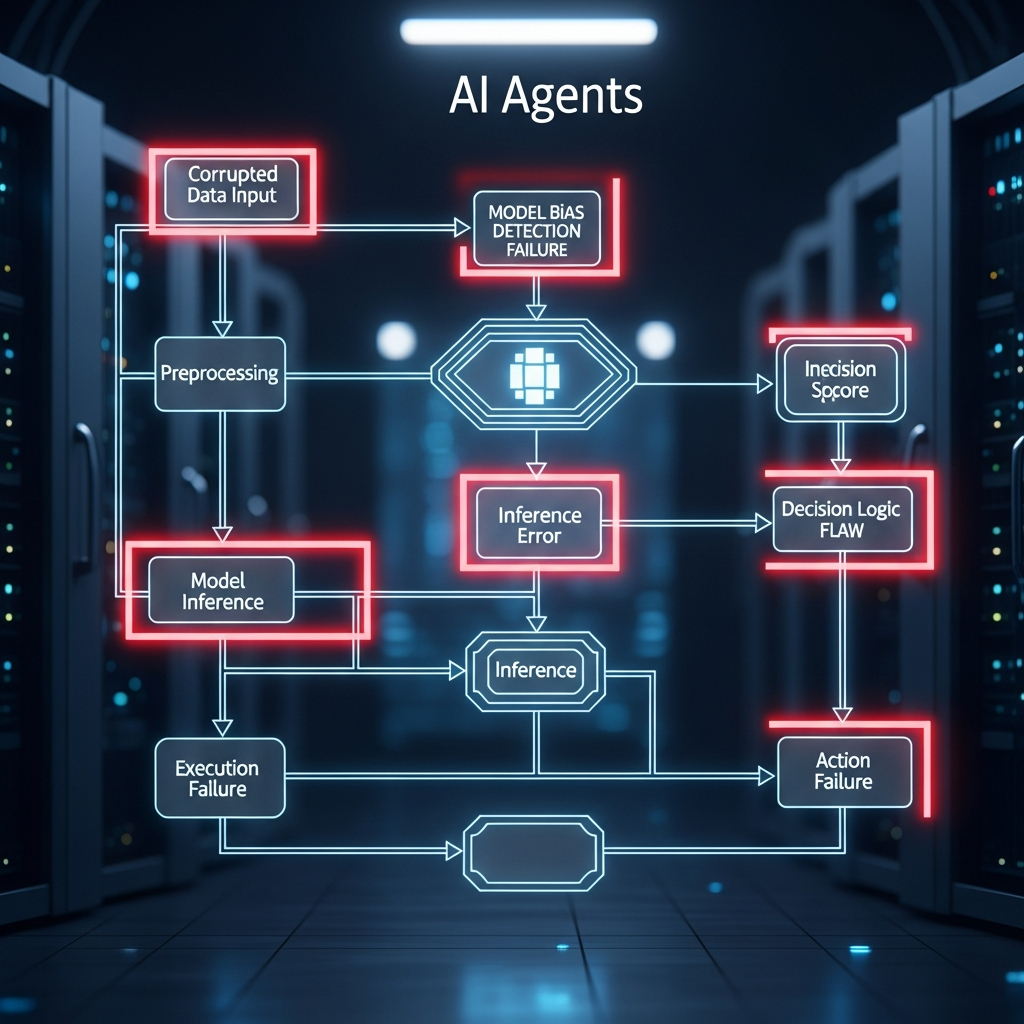
Think about it: an agent that correctly performs a task 90% of the time is often worse than no agent at all. That 10% failure rate requires human intervention, monitoring, and debugging—often more effort than doing the task manually in the first place. For enterprises, where transactions are measured in millions and errors can cost millions, reliability isn't a feature; it's a fundamental requirement. We're talking about financial systems, supply chains, customer interactions—areas where "good enough" is a path to disaster. This is why context management, as highlighted by the OpenClaw tutorial, is so critical. An agent that loses context is an agent that loses trust. You need agents that can understand the full scope of a conversation, a transaction, or a process. Without robust context, without predictable behavior across edge cases, and without a clear audit trail, these agents remain in the sandbox. We don't need more agents; we need agents we can trust.
AI Discovery: The New Battleground for Customer Attention
"SEO Is Dead. AI Discovery Is the New Battleground." That's a bold claim from AgenticLens on Medium, and one that resonates with the shift we're seeing in how users find information and products. The traditional keyword-driven search engine optimization game is indeed changing. As AI assistants and personalized discovery engines become primary interfaces, the old rules for visibility are eroding.

This isn't about SEO being "dead" in the literal sense—it's about the mechanisms of discovery evolving. It means optimizing for different signals: intent, context, personalization, and the subtle cues that AI models use to recommend content or products. For businesses, this is a fundamental shift in customer acquisition strategy. It means understanding how your product appears not just on a search results page, but within an AI-generated summary, a personalized recommendation feed, or an agent's curated response. The focus shifts from optimizing for algorithms to optimizing for AI-mediated human intent. The irony? You still see "AI SEO Course" offerings popping up, like those in Hamilton and Burton Upon Trent. This highlights the scramble—and often, the confusion—in the market as businesses try to adapt. The real battle here isn't about keywords; it's about owning the narrative, providing undeniable value, and ensuring your brand's relevance in an increasingly automated discovery landscape. Your product needs to earn its recommendation from an AI, not just game an algorithm.
The future isn't about passively waiting for AI to change things. It's about actively building, measuring, and iterating with a pragmatic understanding of its current limitations and its monumental potential. Focus on reliability, real integration, and how customers actually find you—because time is the ultimate constraint, and wasted effort is a luxury none of us can afford.