BLOG // 2026.03.26 // 07:07 SGT
The AI Reality Check: 10 Trends Reshaping Leadership and Infrastructure Today
From AI-native banks to the next wave of infrastructure supercycles, the last 24 hours of AI news reveal a shift from hype to hard execution. Here is what technology leaders need to know.
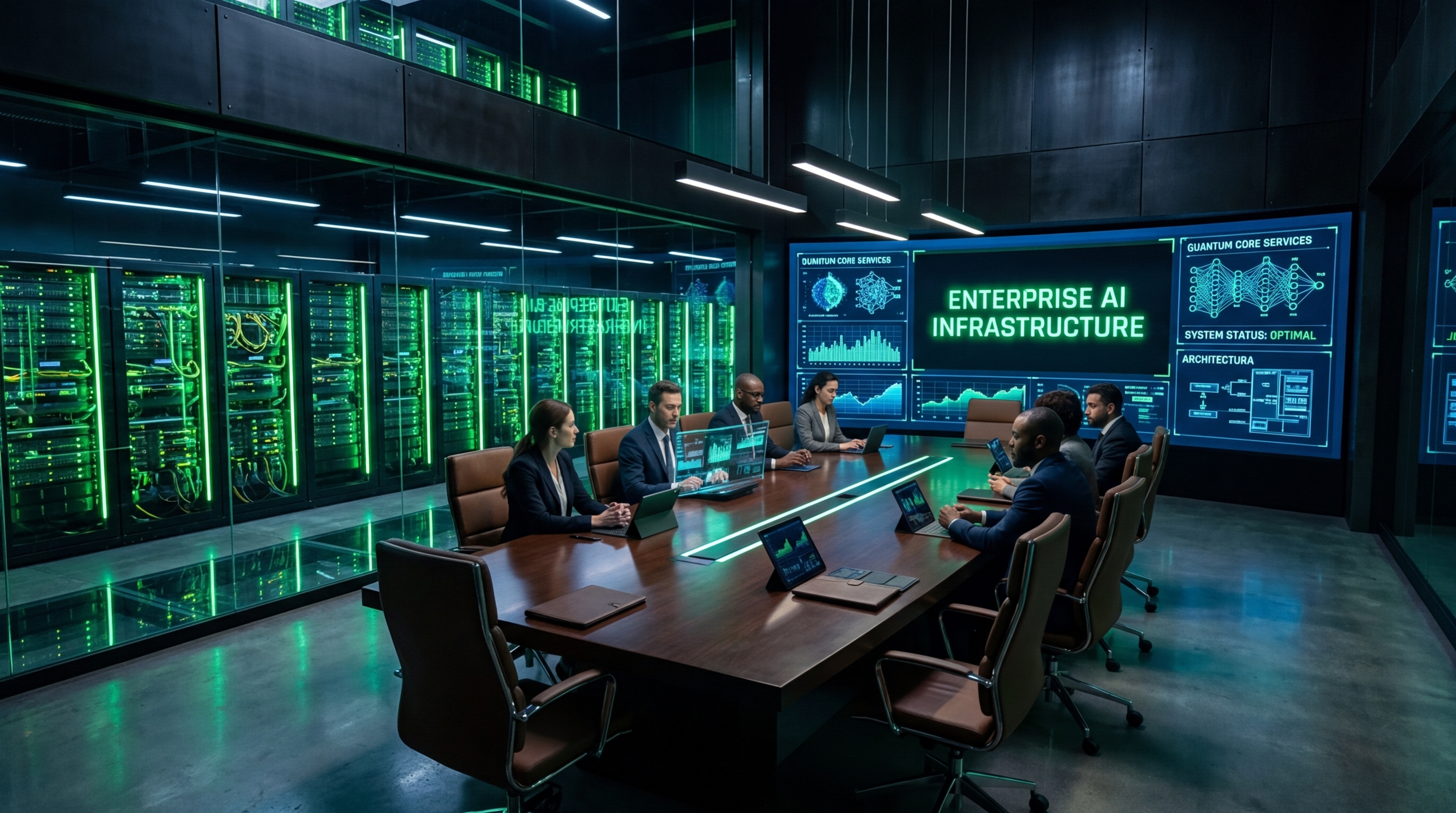
Figure 1: Strategic alignment between executive leadership and robust AI infrastructure deployments.
I often talk about measuring success not by vanity metrics or the latest hype cycle, but by the "rate of change" and "time to solve problems." When I look at the absolute firehose of AI news crossing my desk today, it's clear the industry is finally adopting this exact mindset.
We are officially past the phase of treating Artificial Intelligence like a neat parlor trick. The market is getting serious. It's embedding AI into the lowest levels of our infrastructure, giving it agency to act within RAG architectures, and forcing us as leaders to figure out how humans and machines will actually collaborate without creating chaos.
I've filtered out the noise and pulled out the 10 developments that actually matter for leaders, architects, and anyone trying to build lasting value. Here is where the puck is going.
1. The Human-AI Collaboration Imperative

Figure 2: Human operators working in tandem with advanced AI agent swarms to achieve optimal workflow efficiency.
We are seeing a major focus on the "AI-Augmented Workplace." It's no longer about AI replacing jobs; it's about AI replacing the mundane chaos so humans can focus on strategy and empathy. Leaders must actively design workflows where humans and agents collaborate seamlessly. If your team isn't using AI to compound their daily output, you are already falling behind.
2. Infrastructure Spending is Accelerating
According to Omdia, global spending on cloud infrastructure services hit $110.9 billion in Q4 2025, a massive 29% year-over-year jump. Hyperscalers are pouring money into the foundation required to run AI at scale. As an architect, this tells me one thing: the plumbing of the internet is being completely rebuilt for the agentic era.
3. The Hardware Race Shifts to "Agent-First" Silicon
Alibaba’s DAMO Academy just unveiled the XuanTie C950, a 5-nanometer server processor built on open-source RISC-V architecture. Why does this matter? Because they are explicitly designing chips optimized for the AI Agent era, not just basic LLM inference. The hardware layer is adapting to support autonomous, multi-step reasoning.
4. Beyond NVIDIA: The Broadcom and AMD Opportunity
NVIDIA remains the king of the AI boom, but market predictions are increasingly pointing to companies like Broadcom (custom AI chips) and AMD (data center CPUs for agentic workloads) as the next major beneficiaries by 2028. The ecosystem is diversifying as the infrastructure supercycle matures.
5. Claude's Leap Toward True Autonomy
Anthropic just introduced a capability allowing Claude to directly operate a user's computer to complete tasks. This is the definition of "Agentic AI"—systems that don't just generate text, but take action. It drastically reduces the "time to solve problems" by turning the AI into an active participant rather than a passive oracle.
6. The Rise of the "AI-Native" Bank
Solaris announced a strategic transformation to become Europe’s first AI-native bank. They aren't just slapping a chatbot on their homepage; they are rebuilding their core operations around AI. This is a prime example of choosing the right door and committing to a fundamental architectural shift to stay relevant.
7. AI Agents Enter Crypto Trading
Trust Wallet has launched AI-powered crypto trading agents, allowing users to define rules and let the system execute automated transactions across diverse blockchain networks. We are trusting agents with actual financial execution, proving the technology is maturing past simple advisory roles.
8. The Arc-AGI-3 Reality Check
Despite all the progress, the ARC Prize Foundation launched a new benchmark (ARC-AGI-3) designed to measure whether AI can learn new things on the fly—and currently, every single AI model fails it. This is a humbling reminder. We have incredibly powerful pattern-matching engines, but true generalized, adaptive intelligence is still a work in progress.
9. Marketing Teams Demanding Two-Way Conversations
A new Salesforce Global Report highlights that 86% of marketers say AI is raising customer expectations, and customers now demand two-way, intelligent conversations across all channels. Yet, 69% of marketers admit they cannot respond adequately. The gap between AI's promise and enterprise execution is wide open for builders to solve.
10. AI Agent Logging Becomes a Priority
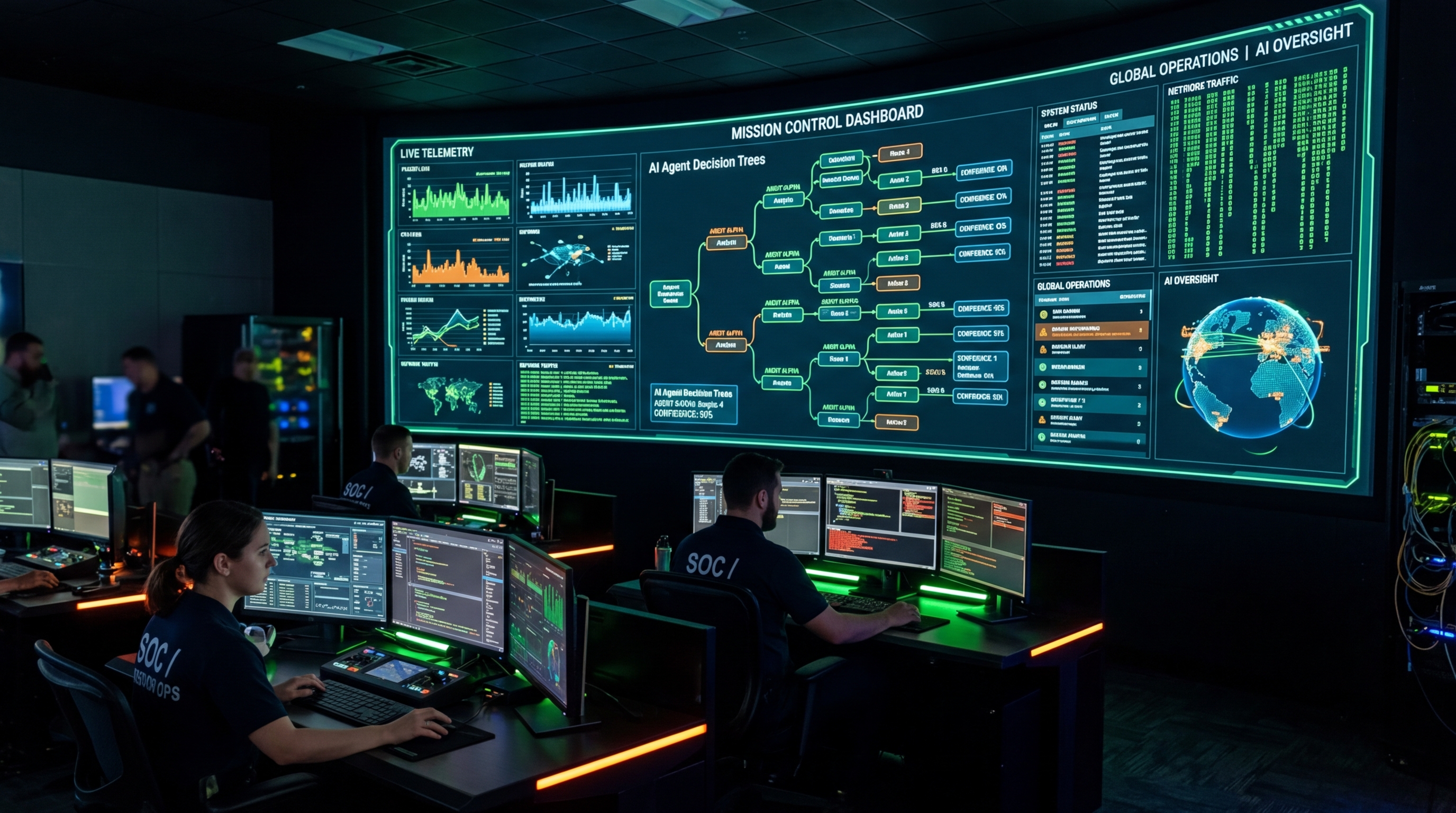
Figure 3: Detailed telemetry dashboard tracking autonomous agent actions, token usage, and system health.
As agents become capable of autonomous decision-making, logging and observability are becoming critical. We are seeing deep dives into "AI Agent Logging Best Practices." If an agent makes a decision that impacts your business, you need the telemetry to understand why. You can't manage what you can't measure.
Final Thoughts
The throughline here is pragmatic execution. The organizations that will win this decade aren't the ones with the flashiest models; they are the ones building the right infrastructure, establishing the right governance, and leveraging AI to buy back time.
Time is the ultimate constraint. Use these tools to solve problems faster, so you can reserve your energy for the things that actually matter—your health, your friends, and being truly present with your family.
Bryan.AI
 A visual representation of the agentic era.