BLOG // 2026.04.02 // 21:00 SGT
AI's Compounding Edge: Foundational Models and the Enterprise
A reflection on the maturation of AI developments, focusing on how agentic workflows and system-level intelligence are creating compounding value rather than just immediate returns.
The conversation around enterprise AI is maturing. We are finally moving past the phase of simply proving that models can generate text, and entering the era of system-level integration. When looking at the rapid developments in the infrastructure space, the focus isn't on the flashy demos or the vanity metrics—it's on the compounding behavior of agentic workflows in the enterprise. True growth isn't a spike; it's the steady improvement of baselines day over day.
The Shift to Agentic Workflows
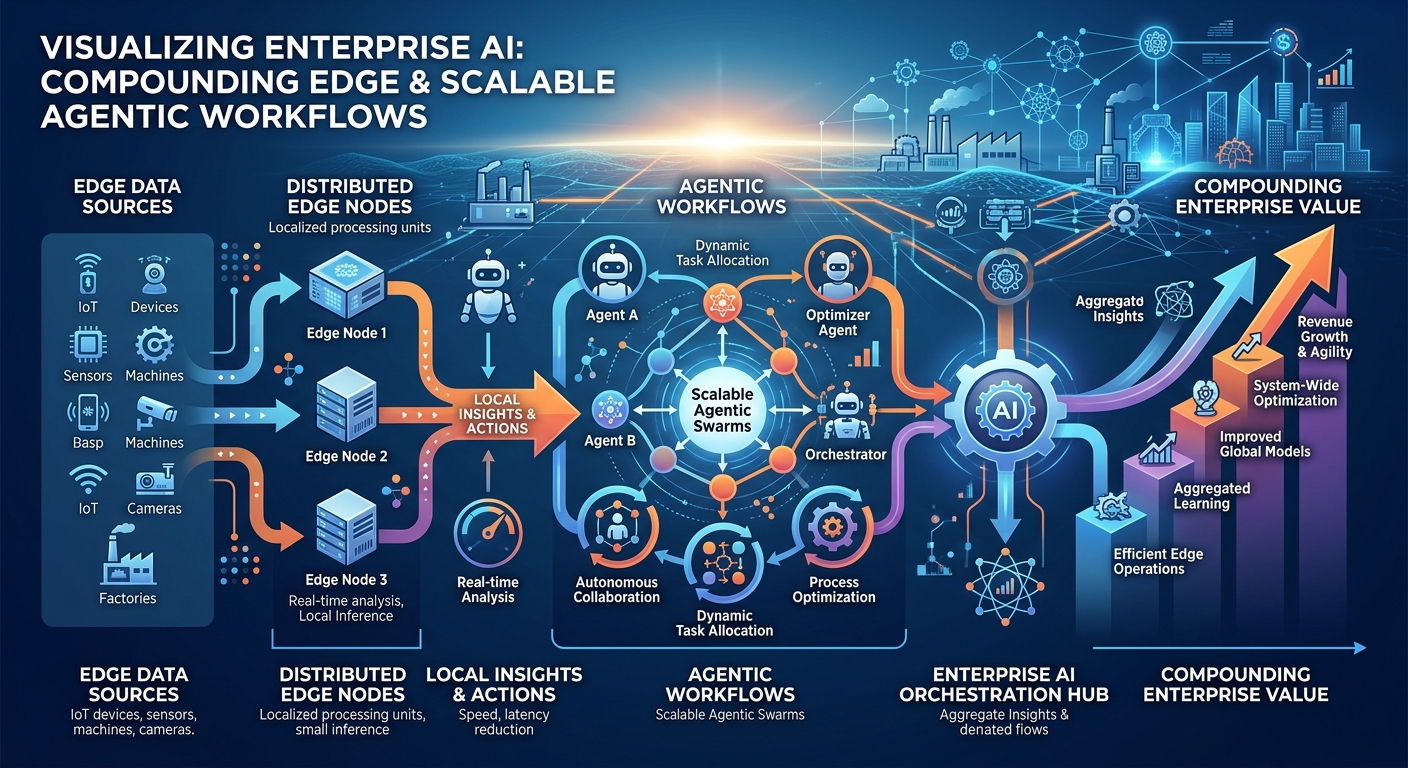
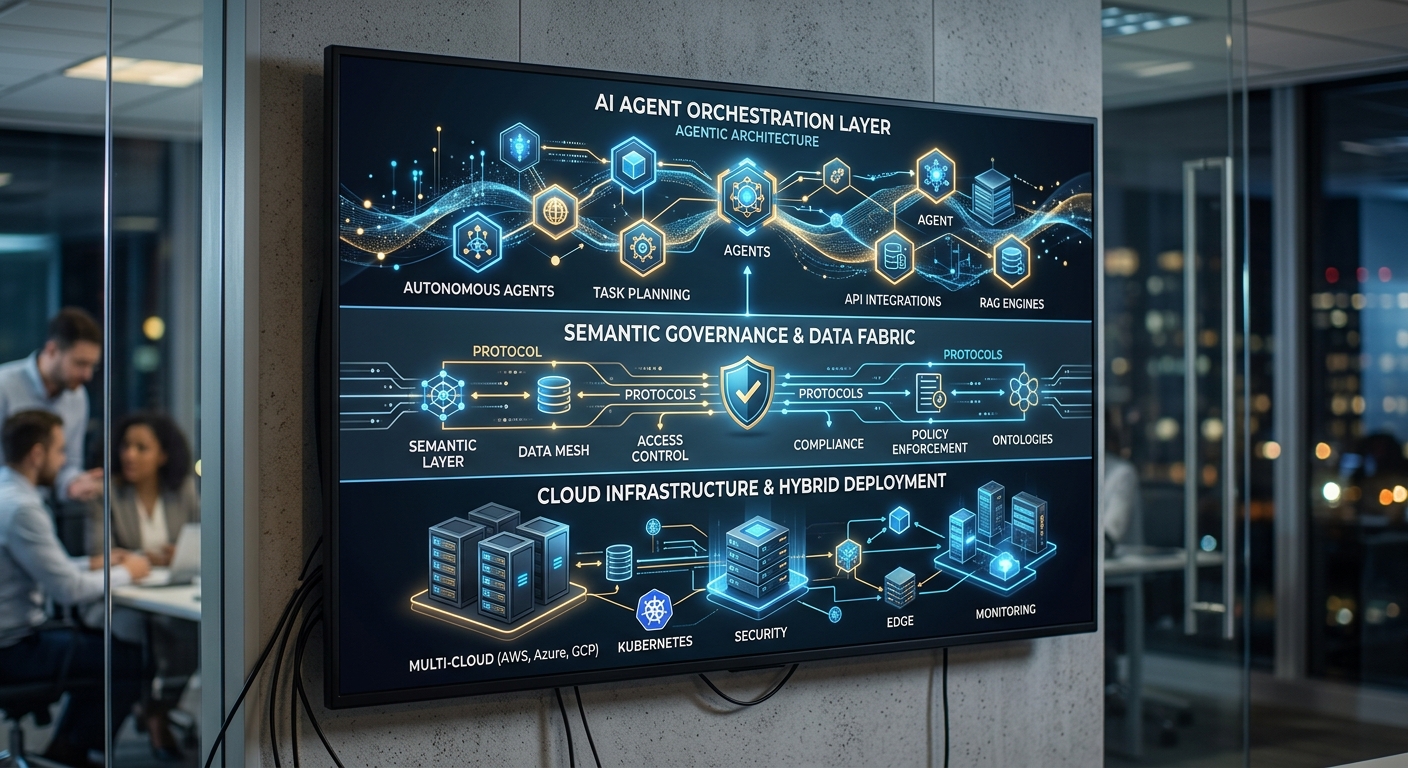
A critical evolution is taking place in how we structure autonomous agents. Rather than relying on a single, monolithic model to solve complex enterprise problems, the architecture is fragmenting into specialized, multi-agent systems. This is a practical response to the limitations of context windows and compute costs. By breaking down tasks—data retrieval, semantic validation, logic execution, and final synthesis—enterprises can achieve higher reliability.
When you look at approaches detailed by research teams at OpenAI's engineering blog and the frameworks emerging from LangChain's ecosystem, the emphasis is heavily on orchestration. It is no longer about the 'smartest' model; it is about the most effectively orchestrated system.
Semantic Governance in the Cloud
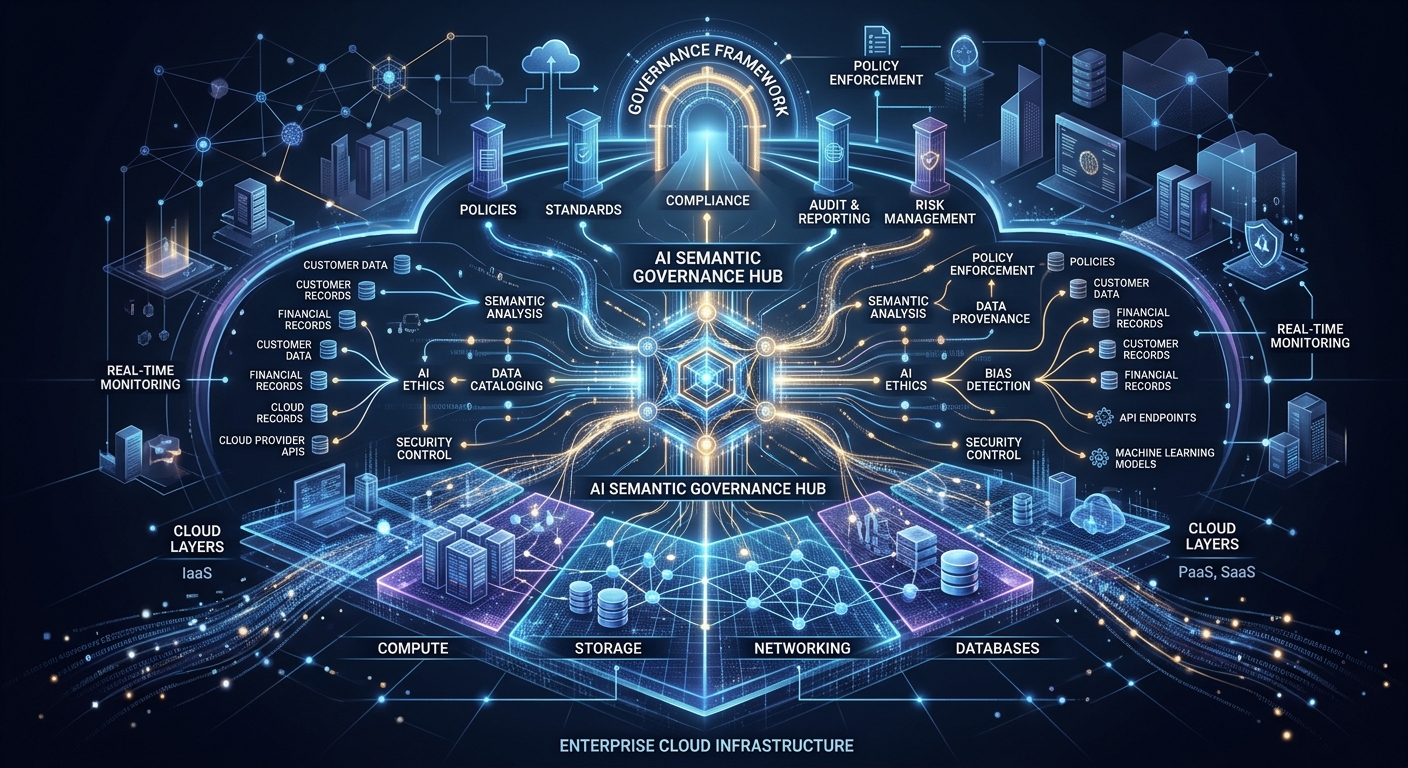
With autonomous agents operating across distributed environments, the challenge of governance has shifted from simple access control to semantic governance. How do you ensure that an agent acting on behalf of a financial controller maintains the precise semantic intent of corporate policy?
This isn't a theoretical problem. Enterprises are actively deploying semantic guardrails that validate an agent's intended action against a formalized business ontology before execution. Solutions coming out of Cloudflare's AI infrastructure and AWS's Bedrock enhancements reflect this need. They are building layers that intercept, interpret, and approve actions based on meaning, not just syntax.

Lowering the 'Time to Solve'
In the end, the value of any technology deployment is measured by its impact on the "time to solve." If an agentic system requires constant human intervention, it hasn't solved a problem; it has only shifted the cognitive load. We are seeing a concerted effort to push inference closer to the edge, reducing latency and reliance on centralized API calls.
This trend is evident in the push for smaller, highly quantized models running locally on enterprise hardware. The work being done by Hugging Face to optimize local model deployment is a prime example. By prioritizing localized inference for routine tasks, companies reduce their cloud expenditure and dramatically lower the time it takes to resolve common internal queries.
The Fragility of Bolt-on AI
One of the most persistent anti-patterns in the current enterprise cycle is the "bolt-on" AI solution. Companies rush to integrate conversational interfaces into legacy systems without addressing the underlying data architecture. These systems are inherently fragile. When the foundational data is disorganized, the AI simply amplifies the confusion at scale.
To build systems with a compounding edge, the integration must be deep. It requires rethinking data pipelines, establishing clean vector stores, and treating the AI as a core component of the business logic rather than a superficial UI overlay. As highlighted in recent infrastructure reports by Gartner, the enterprises that win will be the ones that rebuild their foundations to natively support machine intelligence.
A Grounded Reflection
As we build these systems, we must remember: how you do anything is how you do everything. Be useful, create value, and leave places better than you found them. The true test of these AI advancements isn't how well they demo in a sandbox, but how much time they return to us in the real world—time we can reinvest in our families, our health, and the things that genuinely matter.
We must prioritize sustainable growth over immediate hype. By focusing on semantic governance, robust multi-agent architectures, and lowering the time to solve, we can ensure that our investments in AI infrastructure yield a true compounding edge.