BLOG // 2026.04.20 // 10:31 SGT
AI Agents: When Machines Pay Machines
AI agents are moving beyond impressive demos to power autonomous machine-to-machine transactions, signaling a fundamental, operational re-architecture of software and workflows, not just another round of hype.
People talk about AI agents. A lot of it's still theoretical — impressive demos, sure, but often brittle when you try to scale them beyond a carefully curated environment. Then you see headlines about AI agents actively using Dogecoin for microtransactions in 2026. This isn't theoretical anymore. This is machines transacting, autonomously, in a machine-to-machine (M2M) economy.
That shift from "what if" to "what is" is where the rubber meets the road. It means the infrastructure for agentic workflows is maturing. LangChain, for instance, just doubled down on DeepAgents with its major 0.2 release, signaling a clear investment in building the tooling for these systems. When an a16z founder states that "something really important has changed" regarding agents, it's not just another VC talking up their book. It's an acknowledgement of a fundamental architectural shift in how software can operate. We're moving beyond simple API calls to systems that can reason, plan, and execute multi-step tasks—and pay for them. The implications for operational efficiency, for automating tasks that were previously too complex or too granular, are immense. This isn't about replacing a single job; it's about re-architecting workflows from the ground up.

Industrial AI: Beyond the Cloud Hype
While the agentic software layer evolves, the physical world isn't standing still. We're seeing real, tangible AI integration in industries where the margins are tight and reliability is paramount. ABB, for example, is enhancing the AI capabilities of its flagship industrial device digital solutions. This isn't about a chatbot; it's about optimizing heavy machinery, predictive maintenance, and operational efficiencies on the factory floor. These deployments are far from the consumer-facing glitz, but they represent orders of magnitude in potential cost savings and performance gains.
This brings us to a critical debate that often gets lost in the cloud-first narrative: where does the AI actually run? Dell and Nvidia are making a strong argument for on-prem KI-Inferenz (AI inference) versus relying solely on cloud AI. For industrial applications, for anything involving sensitive data, low latency, or sheer scale of data processing, keeping inference local makes economic and operational sense. The cost of transferring massive datasets to the cloud, the latency introduced, and the ongoing operational expenditure can quickly erode any perceived benefits. We've seen this before—centralized versus distributed computing. AI is just the latest iteration. For many mission-critical applications, especially those in Singapore's manufacturing or logistics sectors, on-prem inference isn't a preference, it's a requirement. It's about control, security, and predictable performance, not just chasing the latest cloud vendor's marketing.

The Pragmatism of Adoption: Pricing and Data
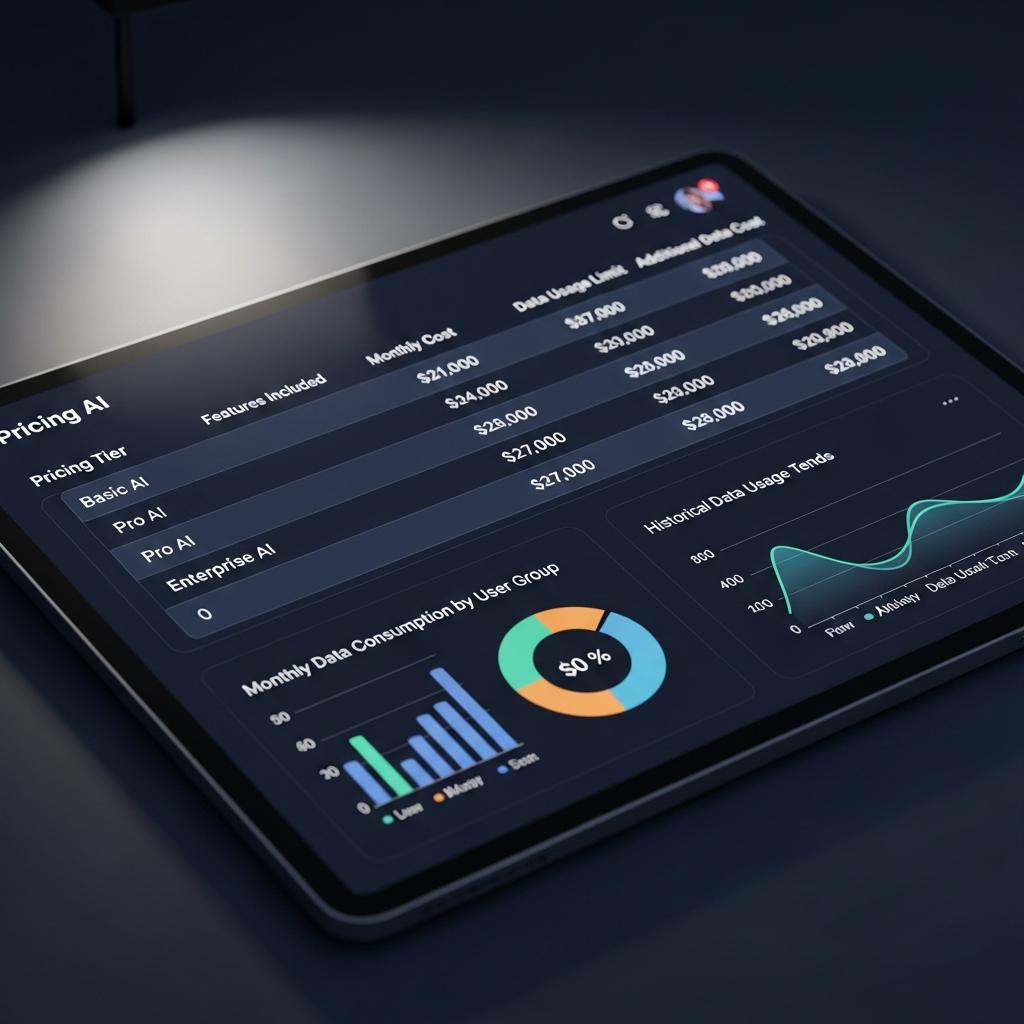
All this talk of agents and industrial AI needs to be grounded in the practical realities of adoption. What does it cost, and how do you feed these systems? Looking at something like the "Best Venice.AI Pricing Guide" isn't glamorous, but it's essential. Understanding the actual cost per query, per agent, or per unit of compute is how businesses make decisions. The market is slowly moving past the "free trial and figure it out later" phase. As more companies integrate AI into their core operations, predictable, scalable pricing models become non-negotiable.
And then there's data. AI agents, industrial models—they all require data, often vast amounts of it, and often from external sources. The "Ethical B2B Web Scraping: 2026 Playbook" highlights a persistent truth: for all the advancements in models, the quality and accessibility of data remain foundational. Building an AI system without a robust, ethical data acquisition strategy is like building a skyscraper on sand. You can have the best architects and engineers, but it will collapse. The playbooks for acquiring, cleaning, and integrating external data are evolving, but the core challenge remains: data is the new oil, and you still need a pipeline to get it. It's not just about finding data; it's about finding good, relevant, compliant data at scale.
The AI landscape is moving past the abstract. The real value is being created not in the demos, but in the gritty, often unsexy work of deploying agents that transact, enhancing industrial systems that produce, and building the pipelines to feed these hungry models. If you're not thinking in terms of operational metrics, cost efficiency, and hard deployment realities, you're still playing in the sandbox. The clock is ticking.