BLOG // 2026.04.18 // 22:01 SGT
AI Agents: The Workflow Is The Product, Not A Feature.
The real leverage from AI agents isn't in standalone features, but in orchestrating entire workflows—chaining capabilities, making decisions, and executing multi-step tasks autonomously. This is where productivity truly compounds for operators.
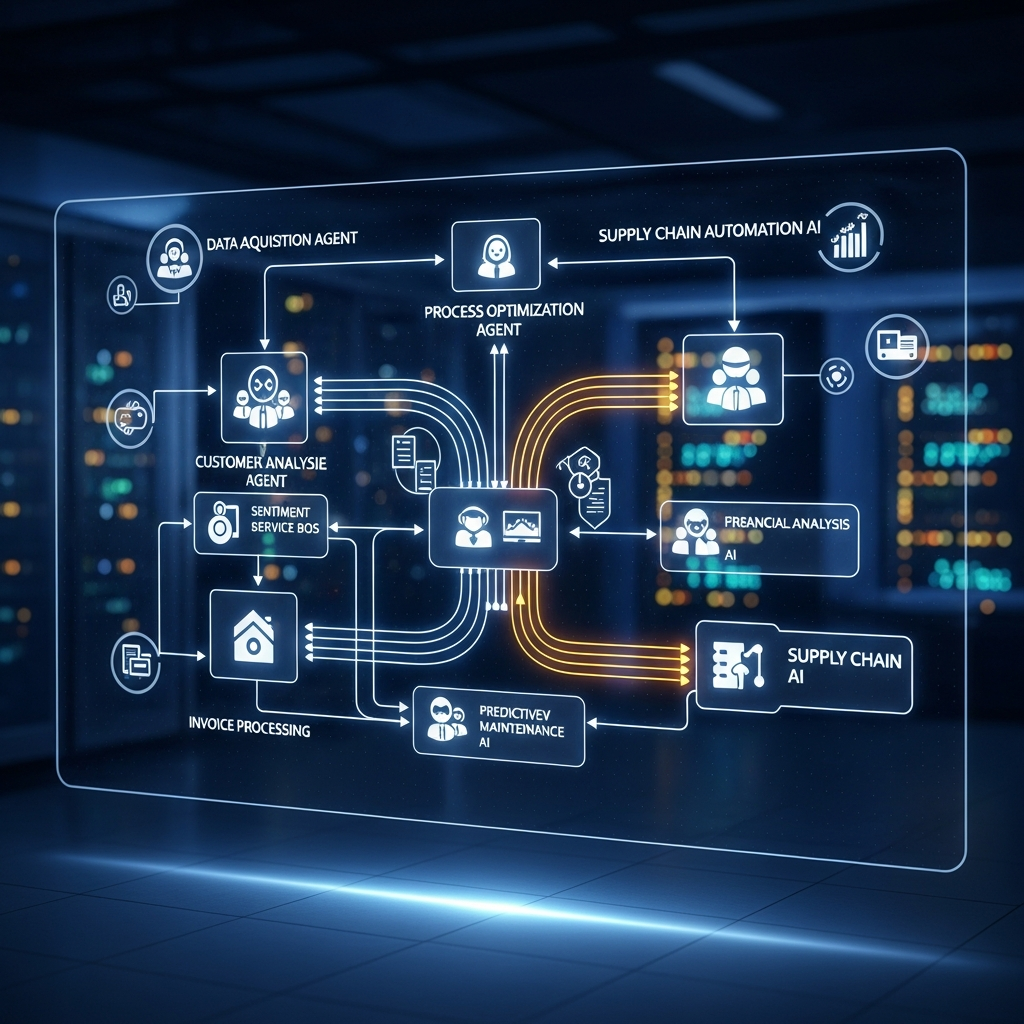
The talk about AI agents has been around for a while. We've seen demos, flashy videos. But what's hitting the ground now, what's actually moving the needle for operators, is the integration of these agents into core workflows—not just as standalone tools, but as orchestrators.
The Agentic Shift: Workflow, Not Just Features
For years, we've bolted AI "features" onto existing software. A smarter search here, a better recommendation engine there. Useful, no doubt. But the real leverage comes when AI stops being a feature and starts becoming the framework for how work gets done. Take Canva AI 2.0, for instance. It's not just generating images; it's turning design into an AI-driven workflow platform. This is a critical distinction. It’s about chaining capabilities, making decisions, and executing multi-step tasks autonomously. This is where productivity compounds.
In the trenches, especially here in APAC, we see this play out. The demand isn't just for an LLM that can write text; it's for an agent that can understand a business request, pull data from three systems, draft a report, and schedule a follow-up—all with minimal human intervention. The benchmark for these coding agents, especially from Chinese open-source models like Kimi K2 and Qwen3 Coder, is getting incredibly complex, as noted by AgentMarketCap. It’s no longer about a single task, but the robustness of sequential execution and error handling. That's the difference between a demo and a deployment that actually saves you headcount or opens up new revenue streams. We're moving beyond simple chatbots to systems that can genuinely reduce the manual grunt work, freeing up human capital for higher-order problems.
The Unseen Cost: Security and the Shifting Workforce
Every powerful tool introduces new risks. AI is no different—in fact, it amplifies them. The news that major crypto exchanges are racing for AI vulnerability tools isn't surprising. It's a stark reminder that the security arms race is intensifying, with AI now a central battleground. We're talking about models being manipulated, data leakage through agent interactions, or autonomous systems making catastrophic security decisions. This isn't just about protecting code; it's about protecting the entire decision-making fabric that AI agents are increasingly woven into. If an agent can execute a workflow, it can execute a malicious workflow if compromised.
And this shift has profound implications for the workforce. Meta is reportedly planning to slash roughly 8,000 jobs next month. While not explicitly tied to AI, it's hard to ignore the broader trend of technology-driven efficiency gains. When AI agents take over mundane or repetitive tasks, the nature of human work changes. It's not just about job displacement; it's about job transformation. This is why upskilling initiatives are not just a nice-to-have, but an urgent imperative. If your team isn't adapting to work with and manage these new agentic systems, they risk becoming obsolete. The time to re-skill was yesterday.

The Enduring Constraint: Infrastructure and Scale
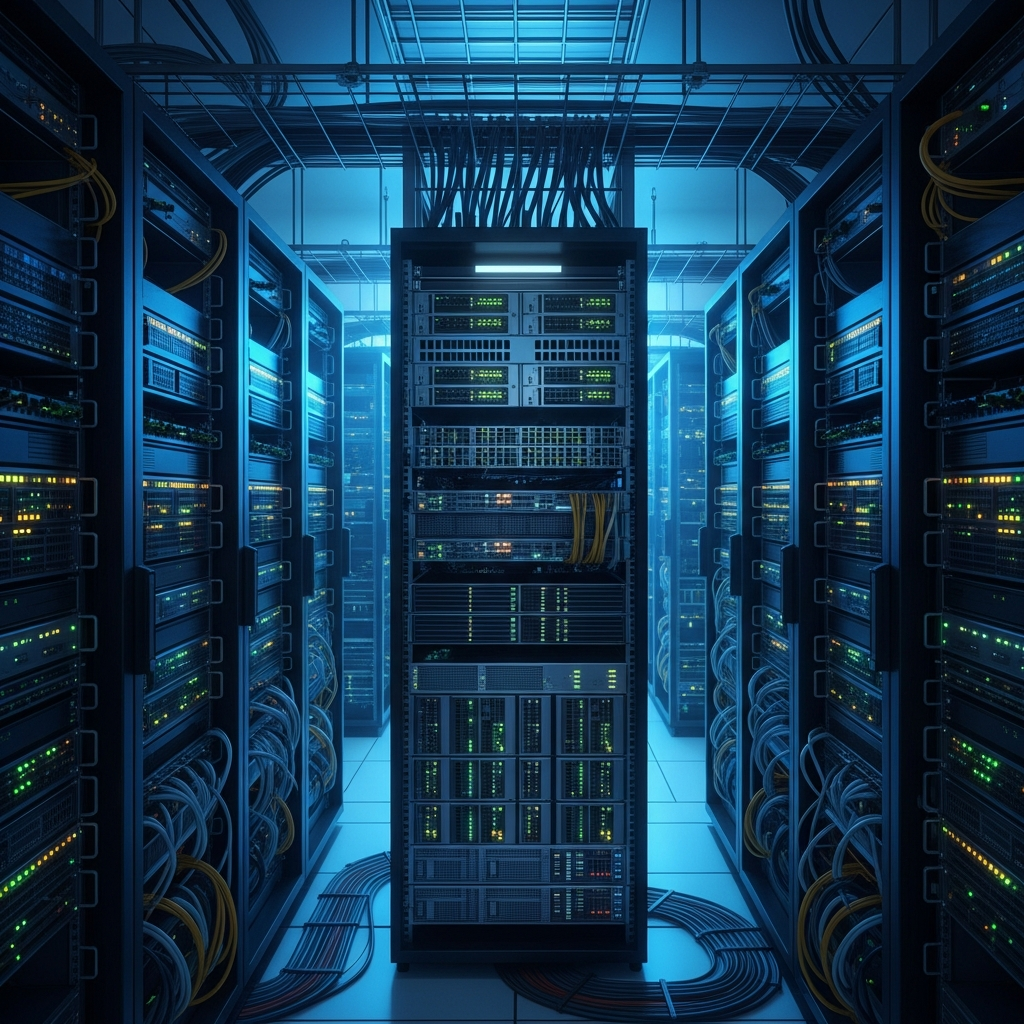
Amidst all the talk of agents and algorithms, it's easy to forget the physical bedrock beneath it all. AI, especially at scale, is a voracious consumer of computational resources. Aletheia Capital naming Micron Technology (MU) as a top gainer from AI demand surge is a clear signal. You can't run large models, especially multiple agents orchestrating complex workflows, without significant memory and compute power. This isn't just for training; inference costs scale with usage, and the cost of deploying these models in production is a very real P&L line item.
We see it even at the foundational level. While a VPS 8 GB from Locaweb at BRL 139.90/mo might seem small-scale, it's a constant reminder of the underlying infrastructure cost—and that's for basic hosting. Scaling agentic systems means orders of magnitude more. For any serious deployment, you're looking at dedicated GPUs, high-speed networking, and robust storage, all of which represent significant capital expenditure or operational expense. Demos can run on laptops. Real-world, production-grade AI agents that genuinely impact your business—they require serious, scalable infrastructure. Anyone telling you otherwise is selling you a fantasy.
The hype cycle around AI agents will continue to churn. But for those of us building and operating, the focus remains on tangible outcomes. Is it solving a real problem? Is it secure? And can we afford to run it at scale? Everything else is just noise.