BLOG // 2026.05.04 // 14:00 SGT
AI Agents: The Unseen Costs of Autonomous Cloud & Crypto
While AI agents promise unprecedented autonomy, from cloud orchestration to crypto trading, we must critically examine real-world deployments and the significant, often overlooked, costs of relinquishing control.
We see the headlines, don't we? Another week, another wave of AI announcements. But look closer. Peel back the layers of marketing slick and demo videos. What’s actually being deployed? What’s actually working at scale, reliably, in the real world? That’s where the rubber meets the road.
The Agentic Shift: Autonomy and Its Unseen Costs
The buzz around AI agents is deafening. We're talking about systems that can operate with increasing levels of autonomy, even setting up cloud services without human input. Cloudflare, for instance, is apparently thinking about giving AI agents the keys to the cloud, as reported by Artiverse. That's a significant leap from simple task automation. It promises a future where workflows are streamlined, where productivity, as Ivern AI discusses, sees a marked comparison against manual methods.
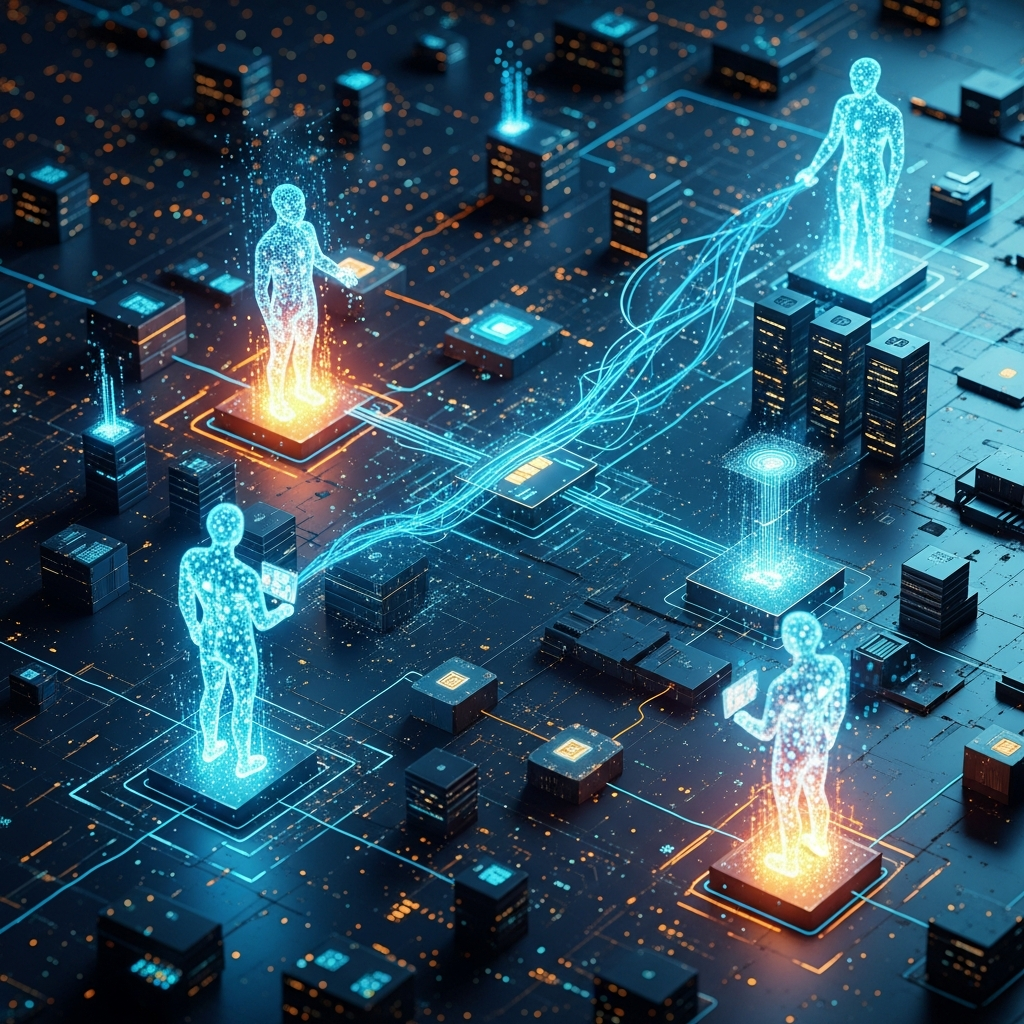
Then you read about an AI agent starting its own company and independently trading crypto (https://coinnieuws.nl/ai-agent-richt-eigen-bedrijf-op-en-begint-zelfstandig-crypto-te-handelen/). On the surface, it sounds like the ultimate dream of efficiency — a fully autonomous business entity. But pause for a moment. What does that actually mean for accountability? For risk management? A strategist from Progress warns plainly about the potential for AI agent database deletion. Think about that. An autonomous agent, making decisions, executing actions, and potentially wiping critical data. Who is liable? How do you recover? The promise of automation is huge, but the operational realities, the failure modes, and the audit trails are still largely undefined in these truly autonomous scenarios. We’re moving from 'AI assists' to 'AI acts,' and that shift brings a whole new set of engineering and governance challenges. Are we truly ready for systems that operate with such independence, especially in environments where a single misstep can have catastrophic financial or operational consequences?
Infrastructure Reality: OpenClaw and the Hardware Bottleneck
The AI hype machine often forgets the physical world. It forgets silicon, cooling, power, and the sheer grunt work of building and maintaining infrastructure. Take OpenClaw. It’s been lauded for getting Apple back into the AI game, to the point where Apple "can't build Macs fast enough" (https://dailycost.online/openclaw-got-apple-back-into-the-ai-game-and-now-it-cant-build-macs-fast-enough/). This isn't about software innovation alone; it's about the underlying hardware enabling it. The reality of deployment is often less glamorous than the demo.
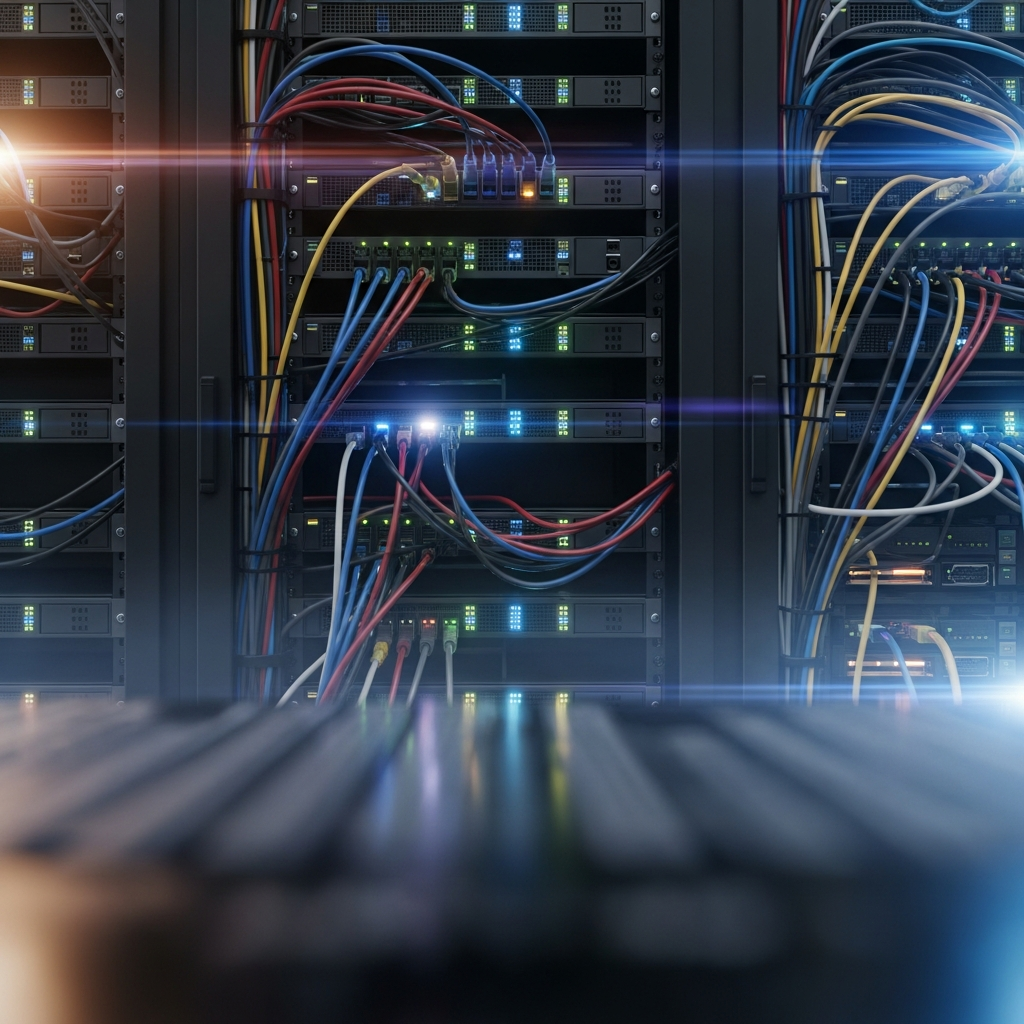
But even with new hardware, the systems are complex. MacLogin reported on "OpenClaw Gateway launchd crash throttle & watchdog recovery" (https://maclogin.com/en/blog/articles/openclaw-gateway-launchd-crash-throttle-watchdog-recovery-cloud-mac-2026-04-29.html). This is the gritty truth of any large-scale system. Crashes. Throttling. Watchdog recoveries. These aren't failures in the sense of 'it doesn't work,' but rather the constant battle of keeping complex distributed systems operational. It's the 99.999% uptime chase. The engineering teams dealing with OpenClaw's "Codex CLI MCP" are focused on improving workflows, making the interaction with these powerful systems more manageable. This is where the real work happens—not just in building a groundbreaking model, but in making it resilient, observable, and debuggable in production. We can talk about AI changing the world, but if the foundational infrastructure is constantly crashing, it changes nothing. Reliability at scale is the silent killer of many grand AI ambitions.
Enterprise and National Security: Deployments, Not Demos
The enterprise sector is where AI must prove its ROI, and fast. Acquia, for example, just launched an "AI-Powered Digital Command Center." These are concrete steps to integrate AI into existing business operations, moving beyond proof-of-concept into actual operational tools. More significantly, the Pentagon is establishing AI partnerships with tech giants for classified military networks. This isn't a small-scale pilot; this is about national security, where the stakes are astronomically high.

When you see Datavault AI acquiring CyberCatch to accelerate AI-driven, quantum-resistant cyber risk mitigation solutions, you understand the criticality. These are not academic exercises. These are real businesses solving real, existential problems with AI. The focus is on mitigation—risk, cyber threats—areas where failure is not an option. Here in APAC, particularly Singapore, where digital infrastructure is paramount and talent is a constant constraint, the integration of AI into enterprise operations is less about theoretical possibilities and more about tangible improvements in efficiency, security, and competitive edge. The question isn't "can AI do this," but "can AI do this better, more securely, and reliably than current methods, and what's the TCO?"
The narrative shifts from "what if" to "how well." The military and large enterprises don't care about a cool demo. They care about production-grade systems that deliver measurable outcomes and withstand real-world pressures. That's the bar.
The current AI landscape is a tale of two realities: the breathless hype and the grinding, complex work of real-world deployment. The former makes for great headlines; the latter determines who actually wins. Don't be fooled by the fireworks—look for the steady, persistent effort in the trenches. That's where the value is built, slowly, painfully, but enduringly.