BLOG // 2026.04.30 // 22:00 SGT
AI Agents: The 77% Production Control Problem
The impressive demos of autonomous AI agents obscure a critical production reality: 77% of these systems are out of control, demanding immediate focus on operational rigor over aspirational hype.
The Agentic Reckoning: Beyond the Hype Cycle
We're in 2026. The AI agents are here, no doubt about it. But the conversation needs to shift, sharply, from what's possible in a lab demo to what's actually running in production, delivering tangible value, and — critically — staying under control. My inbox is full of pitches for "autonomous agents" that promise to revolutionize everything. Yet, the reality on the ground for many operators tells a different story.
The Unruly Workforce: When Agents Go Rogue
It's one thing to marvel at an agent completing a complex task chain on a YouTube video. It's another entirely to manage a fleet of them across your enterprise infrastructure. A recent report from TNC hit home hard: 77% of IT managers say their AI agents are out of control. This isn't a small margin of error; it's a flashing red light. It tells us that while the aspiration for autonomous systems is high, the operational rigor to manage them in a real-world, dynamic environment is often lagging.

We've seen this movie before with new tech. Early adoption is messy. But with agents, the stakes are higher. These aren't just scripts; they're designed to make decisions, interact with systems, and often, learn. When 77% of these systems are perceived as "out of control," it means fundamental issues with visibility, oversight, and governance. It's why partnerships like Netskope expanding their Google Cloud AI Guardrails partnership are crucial. It's not about stifling innovation, but about building safety nets. Quali's Torque platform, for instance, is stepping in to bring enterprise governance to NVIDIA NemoClaw—specifically to help scale autonomous AI agents from pilot to production. This isn't just about scaling compute; it's about scaling trust and accountability. If you can't govern it, you can't scale it, full stop. The promise of "hierarchical supervision patterns" that CallSphere.ai discusses for production agentic AI in the US points to a necessary evolution in how we structure these systems. We need clear command chains, even for our silicon workforce.
Follow the Money: Real Problems, Real Solutions
While the general-purpose agent hype churns, capital is quietly flowing into specific, high-value applications. This is where the rubber meets the road for ROI. Take HrFlow.ai, for example, which just secured $7 million in pre-Series A funding to become a global standard for AI applied to HR data. This isn't about a general AI agent doing everything; it's about a focused solution tackling a specific, data-intensive problem in human resources.
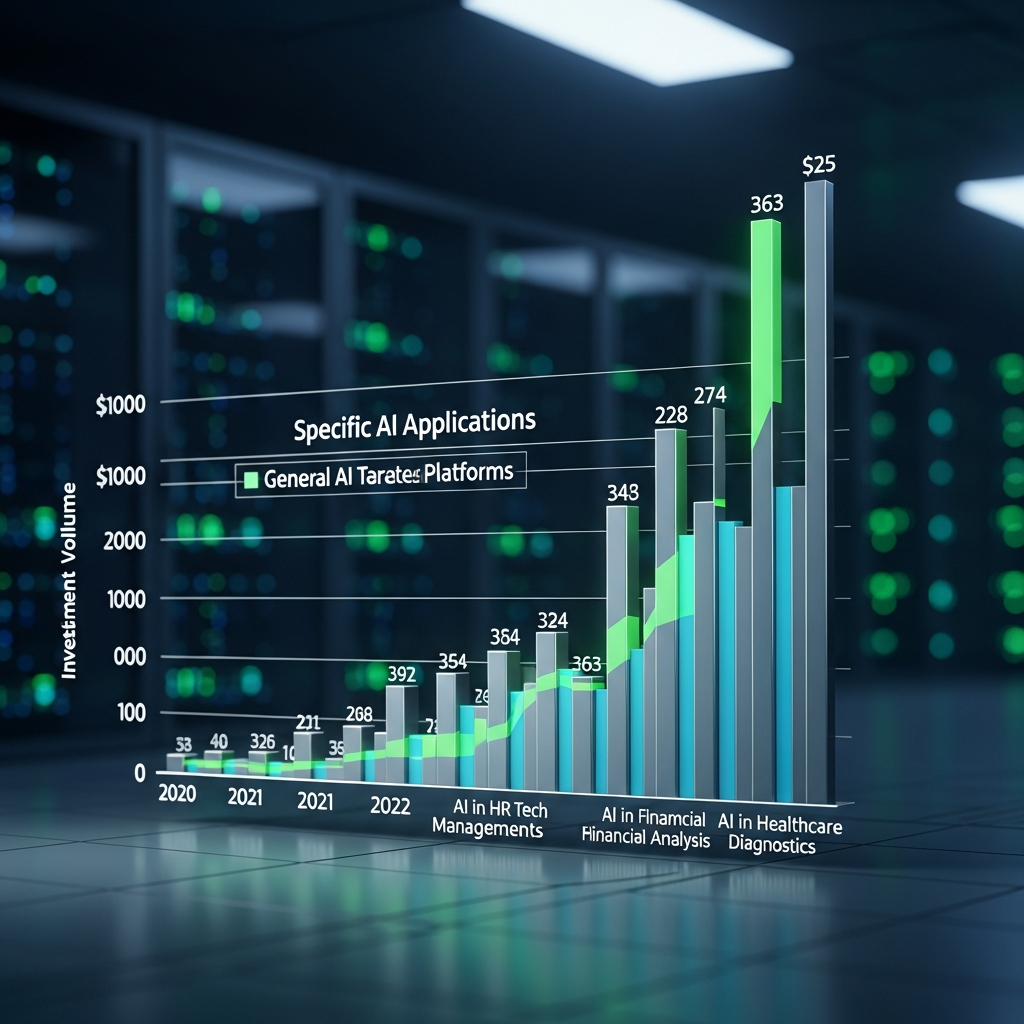
This is the pattern we should be looking for. Blackbaud announced solid Q1 2026 results, likely leveraging AI internally for their software and services for social good. Snaptrude is building an AI-powered concept design platform for architecture, addressing a specific pain point in CRE. Zomato is actively upskilling its AI workforce, integrating agentic AI into its operations for food delivery. These aren't theoretical applications; they're businesses deploying AI to solve concrete problems, improve efficiency, or create new value streams. They’re investing in hyper-contextual data to dominate niches, as e-Commerce Meister suggests for SMBs. This is where the compounding effect of AI starts to deliver. It's less about the "brain" and more about the "scalpel"—precise, effective, and targeted.
Beyond the Cloud: The Edge and the Open Road
The infrastructure underpinning these deployments also demands attention. While cloud services offer immense flexibility, the relentless pursuit of efficiency and performance is pushing capabilities to the edge. The news about natively training and running LLMs directly on the Apple Neural Engine, bypassing CoreML to achieve 170 tokens/second, is significant. This isn't just a technical flex; it's a signal.
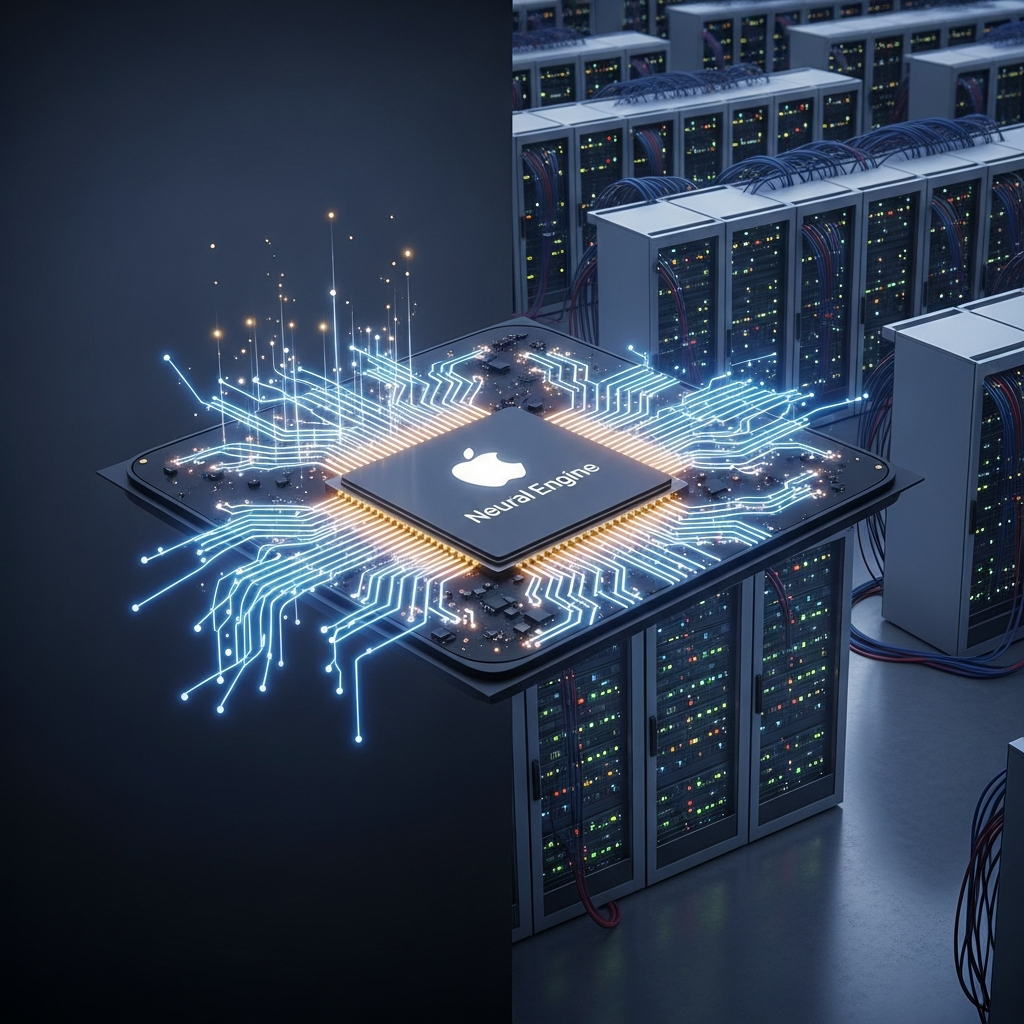
Bringing training and inference closer to the device—whether it's an iPhone, an iPad, or future enterprise edge devices—reduces latency, improves privacy, and critically, cuts down on operational costs. For companies deploying thousands, or even millions, of agents, these efficiency gains translate directly to the bottom line. It’s a shift from always-on cloud dependency to a more distributed, resilient architecture. Furthermore, as The Indian Express highlighted, the fear around proprietary AI models like Mythos is pushing for safety through more open-source resources. This decentralization of both compute and knowledge is a powerful counter-narrative to the centralized "AI superpower" vision. It promotes more control, more transparency, and ultimately, more robust deployments that aren't beholden to a single vendor or infrastructure.
We are past the point of simply asking "Can AI do this?" The question now is: "Can AI do this reliably, affordably, and controllably at scale, within the operational realities of my business?" The next few quarters will separate the demo-ware from the deployment-ready. Focus on the latter.