BLOG // 2026.05.01 // 10:01 SGT
AI Agents: From Code Scores to Customer Experience
Forget benchmark scores; the true measure of an AI agent's worth is its ability to seamlessly integrate into existing workflows and deliver consistent, measurable business outcomes.
The talk around AI agents is everywhere. Every other day, there's another company launching some "agentic" solution, another benchmark where a new model supposedly outperforms its predecessor. It's easy to get caught up in the noise, to confuse a compelling demo with a deployed system that actually delivers value. But for those of us on the ground, building and deploying, the reality is a little messier—and a lot more interesting.
The Agentic AI Wave: From Benchmarks to Business Logic
Just recently, we saw Moonshot AI's Kimi K2.6 reportedly beat GPT-5.4 on coding benchmarks. That's a significant technical feat, no doubt. Faster, more accurate code generation can accelerate development cycles, sure. But how often does a benchmark-topping model translate directly into a 10x improvement in a complex enterprise environment? Raw capability is one thing; seamless integration into existing workflows, handling edge cases, and delivering consistent business outcomes is another entirely.
What's more compelling are the actual deployments. AI STUDIOS, for instance, launched real-time AI avatar agents specifically for enterprise customer experience. This isn't just a lab result; it's a product aimed at a specific business pain point—customer interaction. Similarly, we're seeing agentic commerce concepts emerge on platforms like Shopify, detailing how these intelligent systems can handle tasks from personalised recommendations to order fulfillment. These are the practical applications that move the needle, not just theoretical performance gains.
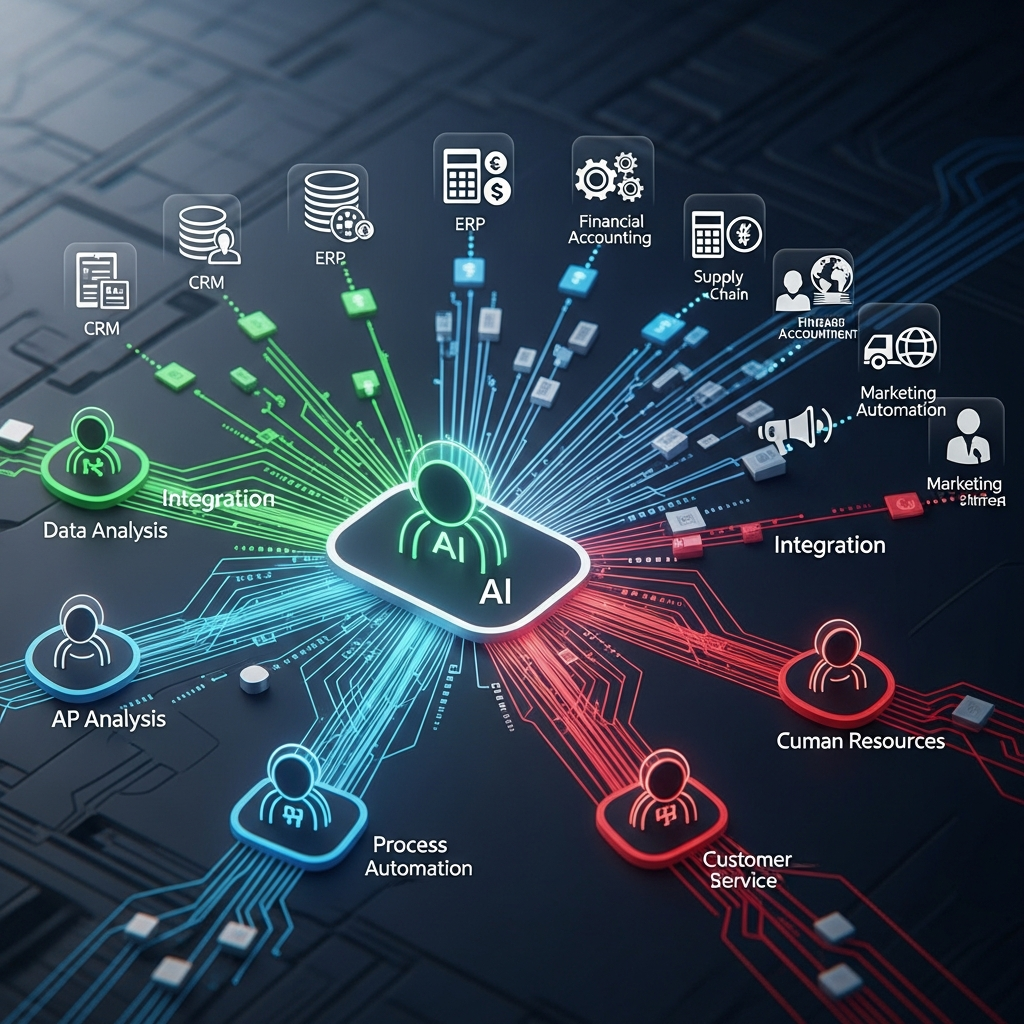
The biggest signal, perhaps, is Microsoft's move with the Agent Store in Microsoft 365 Copilot. This isn't just about a single agent; it's about an ecosystem. When a platform as ubiquitous as Microsoft 365 starts providing a marketplace for agents, it democratises access and accelerates adoption within the enterprise. It means the focus shifts from if agents will be used, to how they will be governed, integrated, and leveraged for specific business processes. This is where the real work begins—connecting these intelligent components into existing, often brittle, business logic.
The Unsexy Truths: Security, Integration, and the Real Cost
While the headlines shout about revenue jumps—like the claim of a 77% revenue jump from AI automation and agentic AI closing deals faster—the operational realities are often overlooked. We're talking about systems that are increasingly autonomous, making decisions, and interacting with sensitive data. What happens when they break, or worse, are compromised?
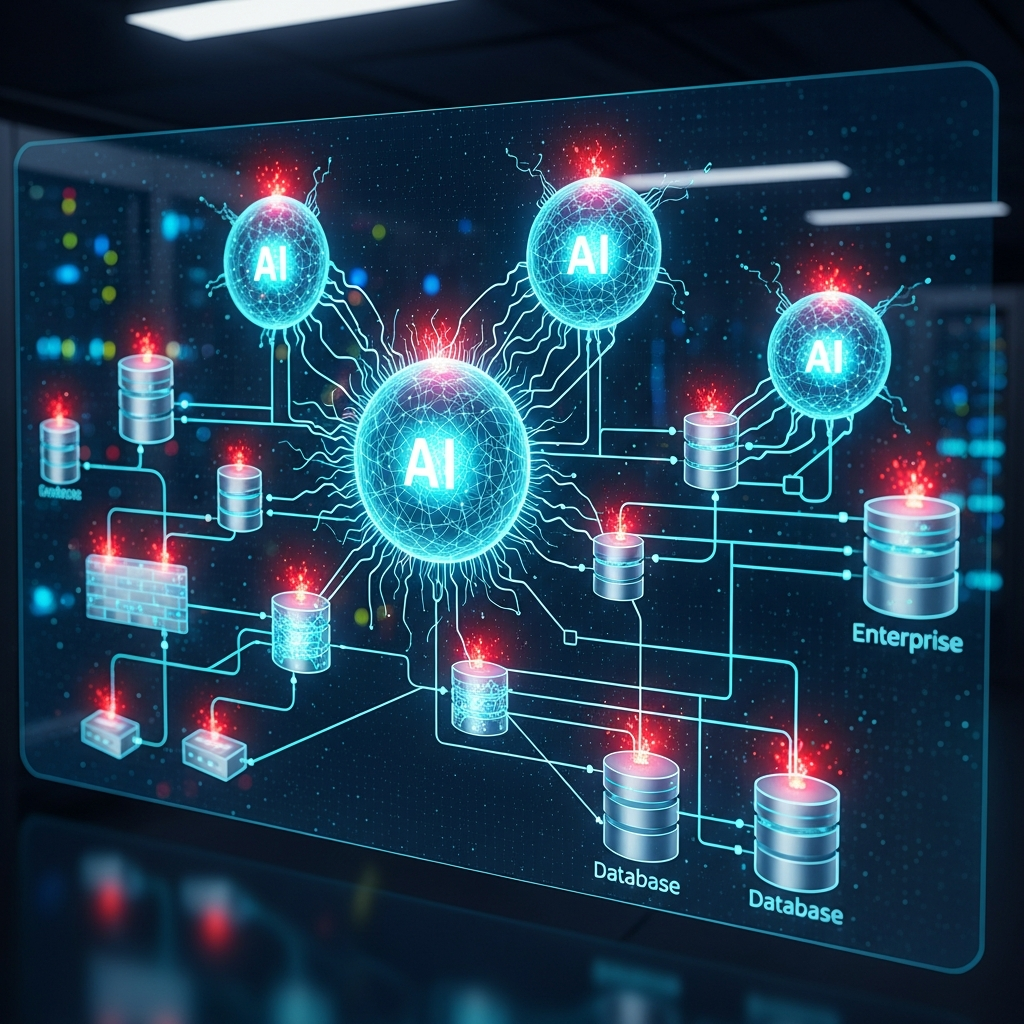
Take the recent news of CVE-2026-41383: an OpenClaw arbitrary directory deletion flaw that exposes remote data. This is not a hypothetical. This is a real vulnerability in an AI system, capable of deleting remote data. This is the kind of hard truth that gets glossed over in the hype cycle. Every new piece of software, every new model, every new agent introduces new attack surfaces. As these agents become more powerful and more integrated into core business functions—managing customer interactions, processing orders, even generating code—the impact of such vulnerabilities scales exponentially.
Building robust AI systems isn't just about training bigger models or adding more "agentic" capabilities. It's about engineering for resilience, security, and maintainability. This means investing heavily in secure development practices, rigorous testing, and robust integration platforms—the unsexy plumbing that makes everything work. Are those 77% revenue jumps factoring in the cost of a data breach, or the downtime from a critical vulnerability? Probably not. The true cost of AI adoption is not just the licensing fee; it's the investment in the surrounding infrastructure, the cybersecurity posture, and the skilled talent required to keep it all running securely.
Beyond Hype Cycles: What Truly Moves the Needle?
We're constantly bombarded with the "next big thing"—whether it's a new AI-driven token like GROK28G promising to maximize potential, or another company claiming to "transform businesses" with agentic AI development. It's easy to get distracted by the shiny objects, to chase every new acronym or buzzword. But for those of us who have to deliver, who have P&L responsibility, the question always boils down to: what actually delivers measurable, compounding value?
The real impact of AI, particularly agentic AI, won't come from isolated demonstrations or impressive benchmarks. It will come from its ability to integrate seamlessly into existing operations, automate repetitive tasks, reduce human error, and free up human capital for higher-value work—all while maintaining a robust security posture. It's about operational efficiency, not just technological novelty. It's about solving real problems for real businesses in Singapore, in APAC, and globally.
The retail sector, for example, is already "in execution mode," as we're seeing trends shaping NRF 2026. They're not waiting for the next breakthrough; they're deploying what works now, focusing on tangible improvements to customer experience and supply chain efficiency. This is where the rubber meets the road.
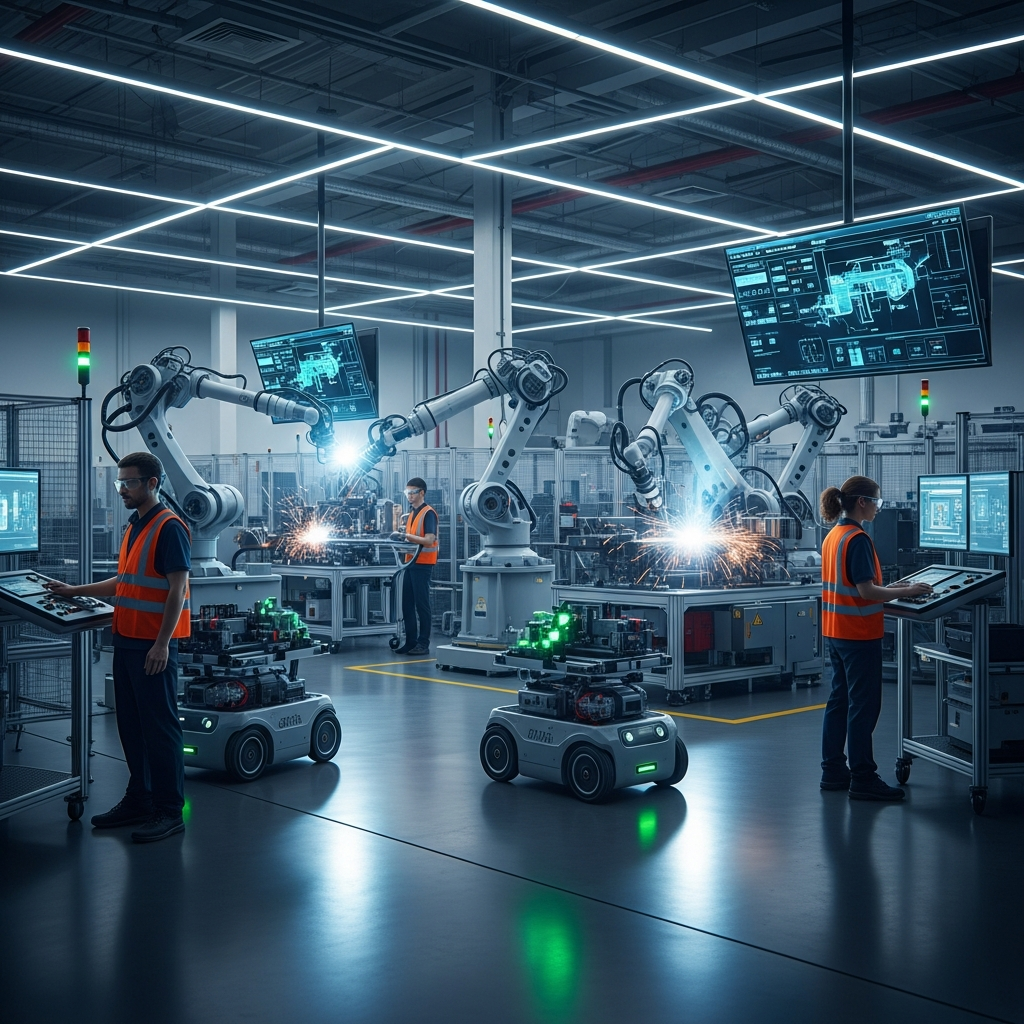
The hype around AI agents is intoxicating, but the real gains are made in the trenches, through diligent engineering, robust security, and a relentless focus on measurable business outcomes. The demo gets you excited; the secure, integrated deployment is what pays the bills.