BLOG // 2026.04.26 // 18:02 SGT
AI Agents: Beyond Demos. Real Jobs, Google's Enterprise Bet.
The long-promised AI agent future is now tangible: real job market shifts and Google's core enterprise strategy confirm these systems have moved from concept to critical deployment.
We've been hearing about "AI agents" for years now, mostly in demos and concept videos. Promises of autonomous systems completing complex tasks, managing workflows, even making decisions. Like many of you, I've seen enough PowerPoint slides to last a lifetime. But something shifted recently. The noise is still there, sure, but now the signals are getting stronger—concrete deployments, job market shifts, and enterprise strategies that put agents at the core.
AI Agents: Beyond the Hype Cycle – Real Jobs, Real Stakes
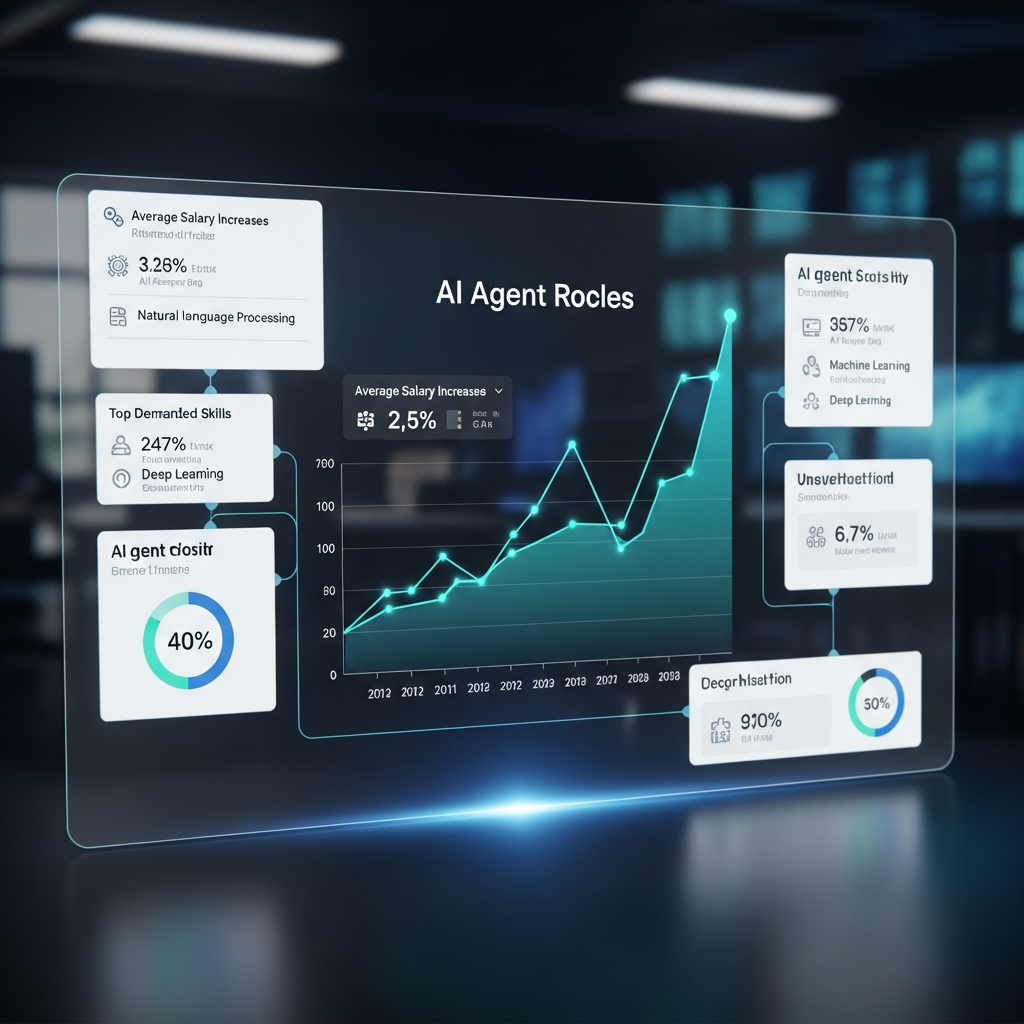
You see the headlines: "AI agents are coming for your jobs." It's easy to dismiss as fear-mongering. But look at the data. IT Jobs Watch reports on AI agent job trends in the North of England, detailing salaries and related skills. This isn't theoretical anymore; it's a measurable market shift. Companies are actually hiring for this. And it's not just new roles—it's a reshaping of existing ones.
Google's not just talking about it. They're putting AI agents at the heart of their enterprise cloud strategy. This isn't a side project. This is a core money-making push. When a giant like Google commits this deeply, it tells you the technology has crossed a critical threshold: from experimental to strategic. From "what if" to "how do we scale this."
The implications are profound. In China, there are reports of employees being compelled to train AI robots that are set to replace them. This is a stark, difficult truth. It forces us to confront the human cost, the ethical dilemmas—and the reality that this isn't some distant future. It's happening now. And it's not just about job displacement. The question of data privacy around training these systems is also surfacing, with Meta's employee tracking for AI training raising significant privacy and valuation questions. When your internal operations become the training ground, the lines get blurry. We're moving into an era where the data exhaust of our daily work becomes the fuel for our automated replacements. That's a shift we need to grapple with, not just technologically, but ethically and legally.
Automating the Mundane: DevOps, OpenClaw, and the Choice
If agents are the brain, then the tools that allow them to act are the limbs. We've spent years in DevOps trying to automate away toil. Manual deployments, repetitive checks, tedious configuration. It's a drag on engineering velocity, a constant drain on budget.
This is where specific, practical tools come into play. OpenClaw, for instance, offers a path to automate DevOps processes. It's not about replacing every engineer, but about augmenting teams, freeing up high-value talent from the repetitive grind. Think about the compounding effect of even a 10% reduction in manual tasks across a large engineering team. That's not just time saved; it's capacity freed for innovation.
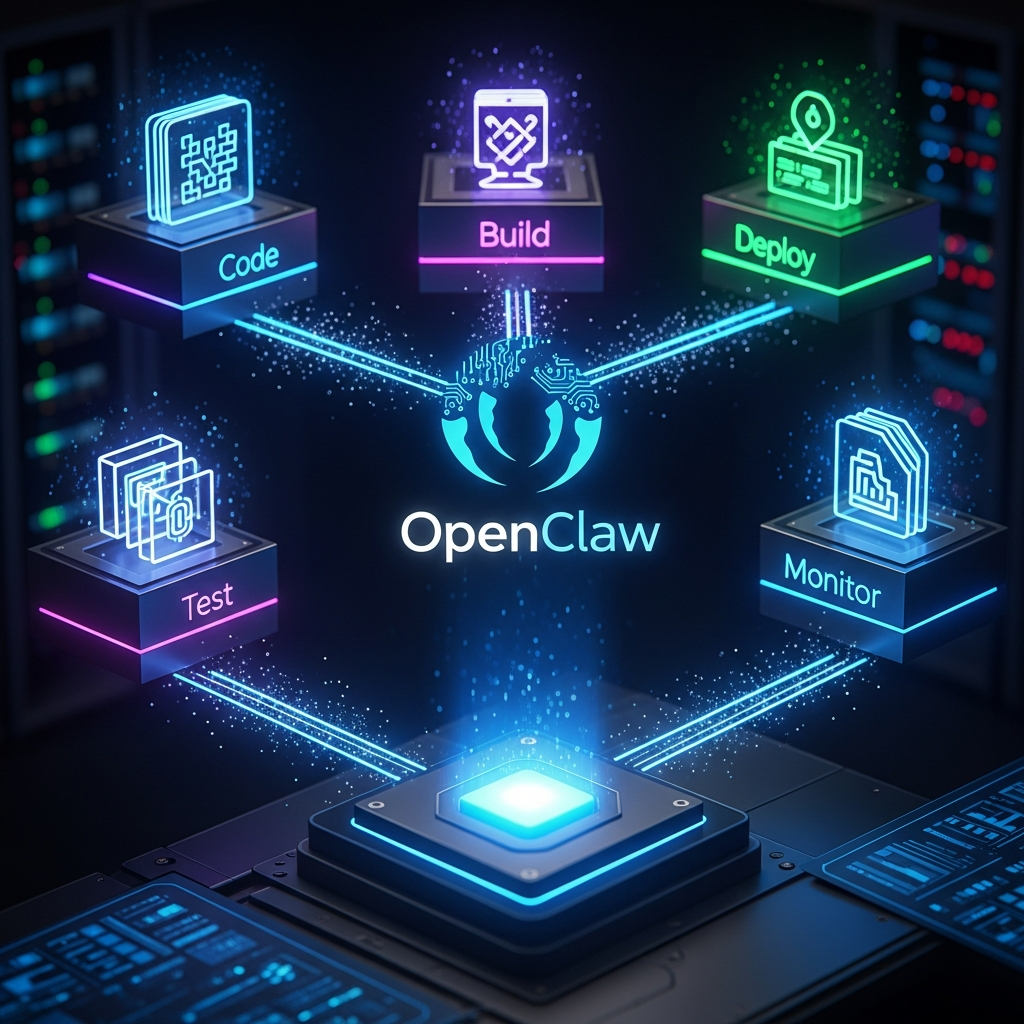
But it's never as simple as "just pick one." The market is maturing, and choices emerge. We see comparisons like OpenClaw vs. NemoClaw popping up. This signals a healthy, competitive ecosystem. It means vendors are forced to differentiate on features, performance, and perhaps most importantly, integration capability. For CTOs, the decision isn't just about raw power; it's about how well a new tool slots into existing infrastructure, how steep the learning curve is for the team, and what the total cost of ownership looks like. Every tool claims "easy integration," but the devil is always in the details—and the maintenance. We're not just buying software; we're buying into an ecosystem, a support structure, and a roadmap.
The Engine Room: Models, Infrastructure, and the Pace of Change
None of this happens in a vacuum. Underneath the agents and the automation tools, there's a relentless drive in foundational models and the infrastructure to run them. The release of Qwen3.6-27B with 77.2 SWE-Bench Verified and an Apache 2.0 license is a case in point. Open-source models are not just catching up; they're becoming viable, powerful alternatives for many enterprise use cases. The Apache 2.0 license means real flexibility for commercial deployment, reducing vendor lock-in risks. This accelerates adoption, especially for startups and mid-market players who can't afford to run on proprietary models alone.
This pace isn't just about software. It's about the physical infrastructure too. Vertiv, for example, is riding the AI wave, a testament to the surging demand for robust data center solutions. Every model, every agent, every automated DevOps pipeline consumes compute and power. The physical constraints are real. We're seeing this play out in supply chains, even for consumer hardware. The demand for processing power is insatiable, and it's driving innovation—and sometimes scarcity—across the stack.

Enterprise adoption isn't waiting either. CGI's launch of AI-powered financial automation on AWS Bedrock shows that the big players are moving. They're not just experimenting; they're deploying solutions that impact bottom lines and operational efficiency. This isn't about shiny new features; it's about reducing costs, increasing throughput, and gaining a competitive edge. That's the only language the boardroom understands.
The current AI cycle isn't just another tech trend. It's a fundamental re-evaluation of how work gets done, who does it, and what value means. If you're not actively experimenting, building, and deploying these capabilities, you're not just falling behind—you're ceding the future.