BLOG // 2026.04.03 // 07:00 SGT
Agentic Systems and Pragmatic Integration
A deep dive into how compounding behavior and time to solve problems are reshaping enterprise AI.
The Compounding Behavior of Agentic AI
When looking at the latest developments in artificial intelligence, we must move past the vanity metrics. The true measure of technological progress is its rate of change and how effectively it reduces the time to solve complex problems. Over the recent period, the shift toward agentic workflows has demonstrated exactly this compounding behavior.
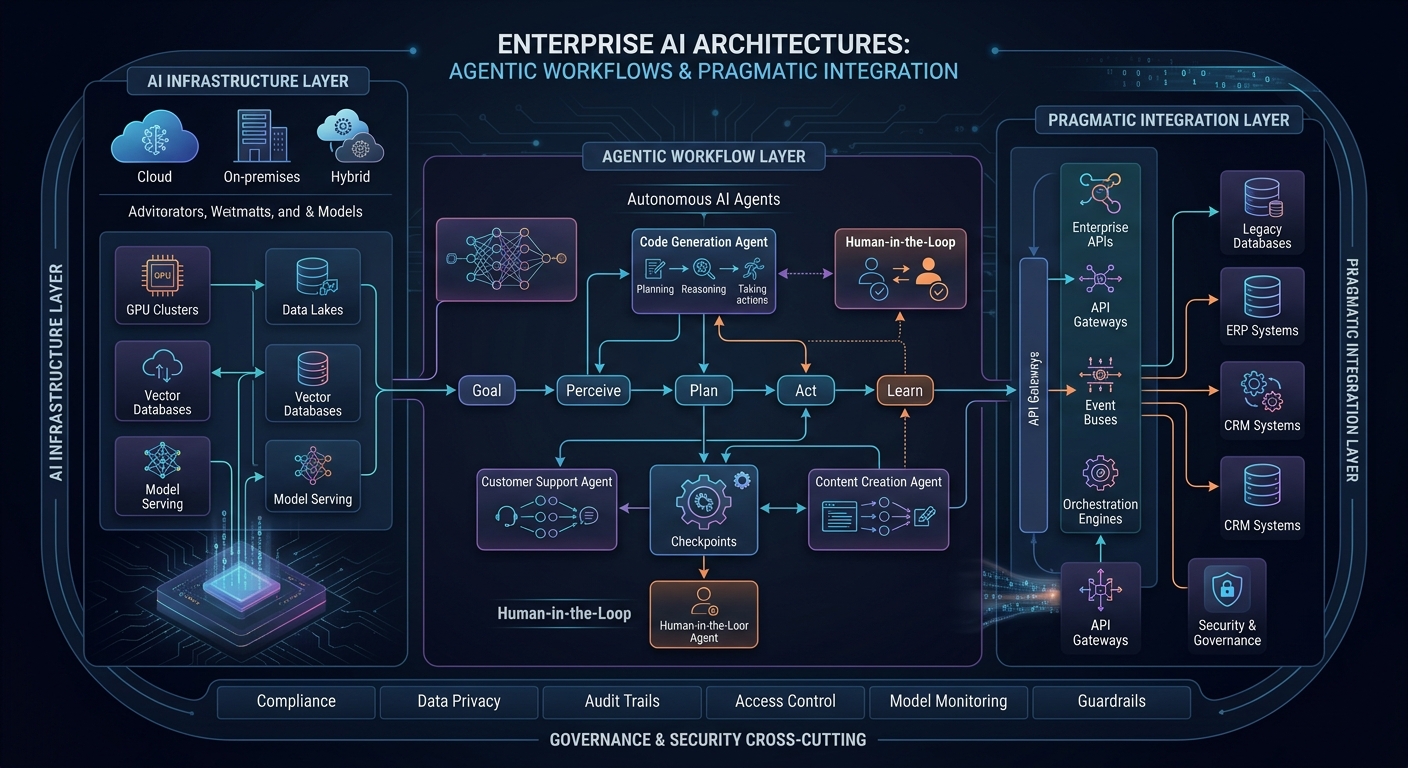
In enterprise environments, the integration of autonomous systems is no longer a theoretical exercise. It is a pragmatic shift. Instead of relying on isolated models that act merely as conversational interfaces, businesses are deploying networks of agents that collaborate, evaluate, and execute multi-step workflows. This isn't about hype; it's about fundamentally altering the baseline of operational efficiency.
Why Time to Solve Matters
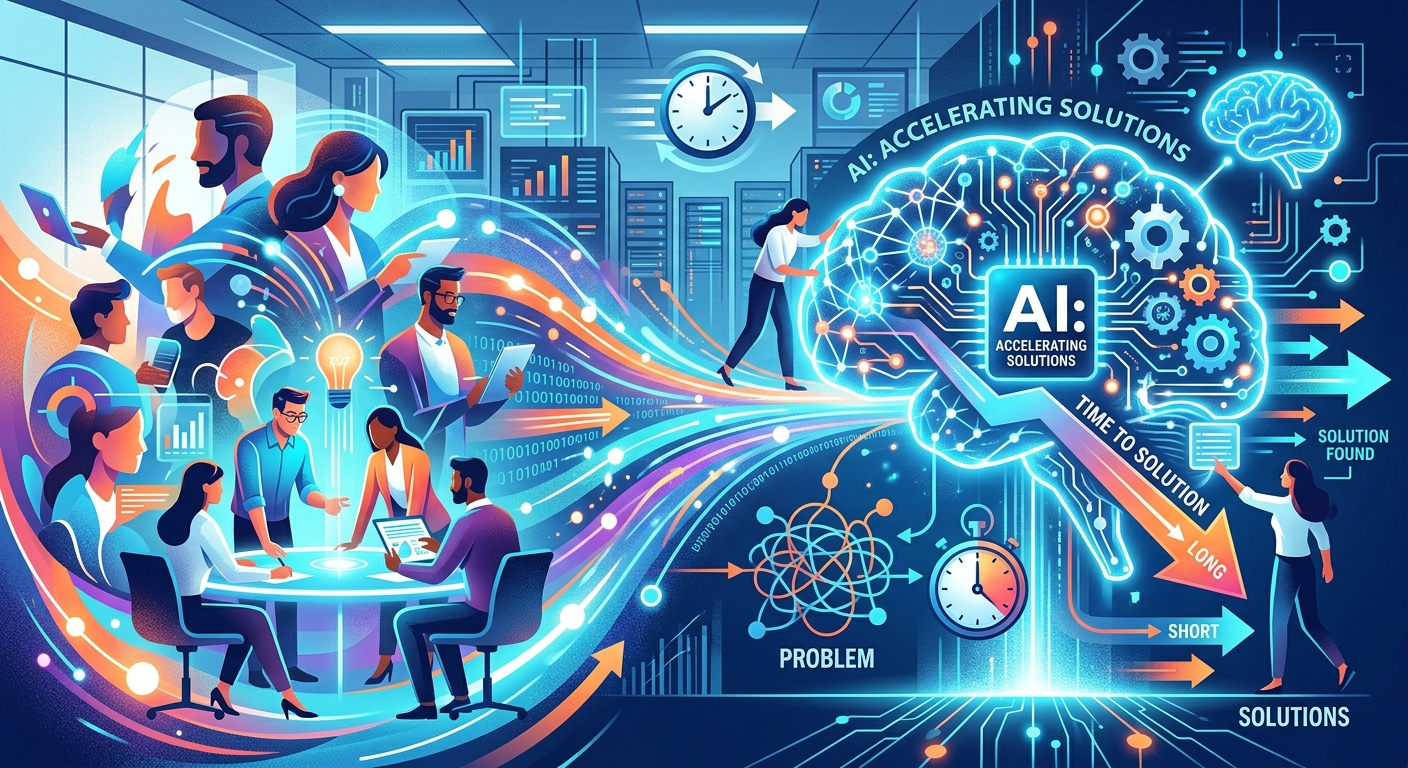
In every leadership role, whether at Microsoft, Azure, AWS, or in fast-paced environments like ShopBack, the critical constraint is always time. We have finite energy, and the goal of any architectural shift must be to return that time to the people who matter most—our families, our friends, and our colleagues. When an agentic system reduces the latency of decision-making from days to minutes, it's not just a technical win; it's a structural improvement in quality of life.
The recent announcements surrounding Semantic Data Governance and Context-Aware Robotics highlight this shift. We are seeing a move from reactive querying to proactive problem-solving. This requires a strong foundation in data governance, ensuring that the AI has access to accurate, secure, and semantically rich information.
Building for the Long Term
How you do anything is how you do everything. If we build AI systems that are fragile or optimized only for short-term vanity metrics, we will fail to create lasting value. The true test of these agentic workflows is their resilience and their ability to compound value over time.
Consider the deployment of multi-agent architectures. By delegating specific tasks to specialized agents—such as one for data retrieval, another for synthesis, and a third for verification—we create a robust pipeline that can handle errors gracefully. This modular approach is essential for long-term success.
The Human Element in Automation
As we push further into the era of autonomous agents, the human element becomes even more critical. Presence is not a soft skill; it's a strategic energy. The goal of automation is not to replace human presence, but to amplify it where it matters most. By offloading routine cognitive tasks to AI, leaders can focus on the "why"—the underlying trade-offs and strategic decisions that require deep empathy and context.
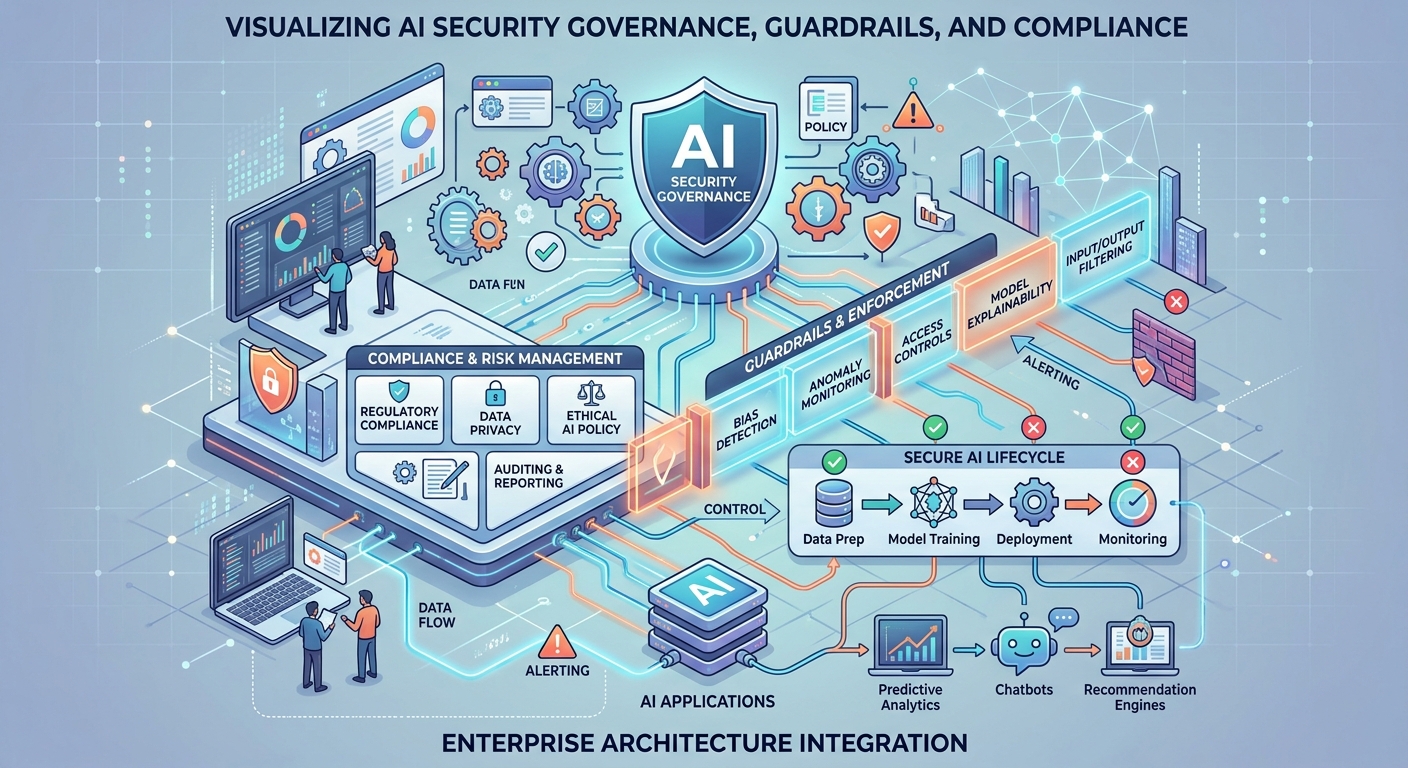
We must remain grounded in reality. The transition to agentic workflows will not be without challenges. Security boundaries must be strictly defined to prevent unintended actions, and data provenance must be maintained to ensure trust in the system's outputs. These are the pragmatic concerns that will separate successful implementations from the failures.
Pragmatic Steps Forward
- Invest in Data Governance: Before deploying agentic workflows, ensure your data is clean, accessible, and semantically understood by the models.
- Start Small, Scale Smart: Implement multi-agent systems for well-defined, bounded problems. Measure the impact on "time to solve" before expanding the scope.
- Define Security Boundaries: Establish clear limits on what actions an agent can take autonomously, and implement robust audit logging.
- Focus on Compounding Value: Evaluate AI investments based on their ability to improve operational baselines day over day, not just on their initial wow factor.

Leaving Places Better Than We Found Them
Ultimately, our responsibility as builders and leaders is to create value and leave places better than we found them. The adoption of agentic AI is a powerful tool in this endeavor. By focusing on pragmatic integration, compounding behavior, and the reduction of "time to solve," we can build systems that not only drive business success but also enrich our lives and the lives of those around us.
The journey towards fully autonomous systems is a marathon, not a sprint. It requires careful planning, rigorous execution, and a steadfast commitment to our core values. As we navigate this complex landscape, let us remain grounded, reflective, and focused on the long-term impact of our work.
Additional Thoughts on Architecture
When designing these systems, the principles of microservices still apply, but with a new layer of complexity. We are no longer just dealing with deterministic code; we are orchestrating non-deterministic models. This requires a shift in how we think about testing, monitoring, and observability.
We need to implement "evaluators" within our workflows—agents whose sole purpose is to verify the outputs of other agents against predefined criteria. This multi-layered approach to quality control is essential for building trust in autonomous systems.
Furthermore, the choice between open-source and proprietary models is a crucial strategic decision. It's about options and doors. Open-source models offer greater flexibility and control over data privacy, while proprietary models often provide superior performance out-of-the-box. The optimal architecture will likely involve a hybrid approach, leveraging the strengths of both depending on the specific use case.
Conclusion
The evolution of enterprise AI is shifting rapidly from conversational interfaces to fully agentic workflows. This transformation represents a massive opportunity to redefine how work gets done, but it demands a pragmatic, grounded approach. By anchoring our strategies in compounding behavior, reducing the time to solve complex problems, and maintaining a steadfast focus on the human element, we can build AI systems that truly matter. Let us build thoughtfully, remembering always that the technology is a means to an end, and that end should always be a better, more balanced, and more fulfilling life.