BLOG // 2026.05.03 // 18:01 SGT
Agentic AI: The Production Reality Beyond GitHub Stars
GitHub stars don't translate to production-grade AI agents; the true test lies in building consistent, secure, and auditable systems for enterprise deployment.
Andrej Karpathy's AutoResearch project hitting 66,000 GitHub stars in just weeks — that's a clear signal. Engineers are hungry. Obsessed, even, according to FrontierNews.ai. It tells us that the promise of intelligent agents automating everything from code generation to complex research tasks resonates deeply with the builders. But here's the cold splash of reality: GitHub stars don't pay the bills. They don't represent production deployments in a regulated enterprise environment. The gap between a compelling demo and a hardened, secure, scalable solution is vast.
Agentic AI: From Sandbox Wonders to Production Realities
The buzz around AI agents is deafening. Everyone's got a demo, a proof-of-concept. But moving "From Theory to Production Deployment" for AI agents, as aipilotdaily.com highlighted, is where the rubber meets the road. This isn't just about getting an agent to perform a task once. It's about consistent performance, error handling, security, and — crucially — auditability.
When Microsoft releases an "Agent Framework 1.0: Enterprise Guide 2025," it signals a maturity curve. It's no longer just individual scripts; it’s about structured, repeatable patterns. Experian’s announcement of "Agent Trust" to power AI-driven commerce further underscores this. Trust isn't built on a single, brilliant output; it's built on a system that consistently delivers reliable, explainable results, especially when dealing with financial transactions or customer data.
We see AI STUDIOS launching real-time AI avatar agents for enterprise customer experience. That's a specific application, a potential area for tangible ROI. But the underlying challenge remains: these aren't just fancy chatbots. They need to integrate with existing systems, manage complex workflows, and adhere to compliance standards. This requires robust "agentic design patterns and skills" — the kind MeshKore's directory points to.
Morgan Stanley sees agentic AI lifting CPU demand. That's not a prediction based on hype; it's an economic forecast rooted in the understanding that real compute power is needed for these systems to operate at scale. It’s a metric that speaks volumes about the anticipated infrastructure investment, moving beyond theoretical capabilities to actual resource consumption. This isn't just about a few agents; it's about orchestrating entire fleets.
The true value of agentic AI in enterprise isn't in its ability to dazzle, but in its capacity to operate autonomously, reliably, and securely within the existing, complex operational fabric. Anything less is just another demo.
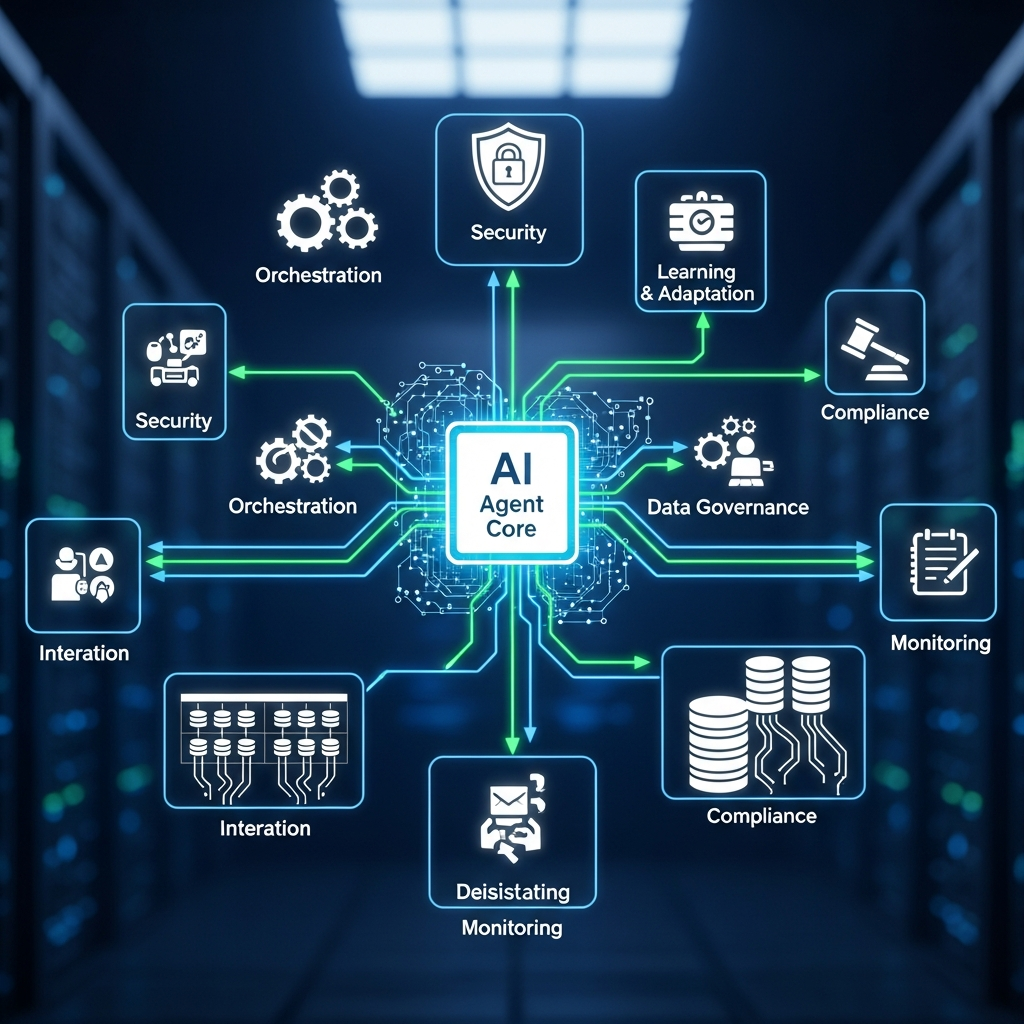
The Silent Reshaping of Enterprise Infrastructure
While the spotlight often shines on the latest model or agent, the foundational layers of enterprise technology are undergoing a profound, often overlooked, transformation. Consider Stripe. They didn't just roll out a few updates; they announced 288 launches at Sessions 2026, building out what they call the "economic infrastructure for AI." That’s not incremental change; that’s a re-architecture. This is about enabling the seamless, secure, and compliant flow of data and funds that AI-driven businesses demand. It’s the plumbing no one sees until it breaks — and it needs to be AI-ready.
This seismic shift isn't confined to fintech. Kontent.ai appointing a new CEO specifically "to Drive the Next Phase of AI in Enterprise Content" shows how deeply AI is integrating into core business functions like content management. It's no longer an add-on; it's becoming central to strategy.
And look at cybersecurity. The binding Letter of Intent for Datavault AI to acquire CyberCatch to accelerate "AI-Driven, Quantum-Resistant Cyber Risk Mitigation Solutions" isn't a small thing. It indicates that AI is now seen not just as a tool for efficiency, but as an existential necessity for defense in an increasingly complex threat landscape. The market is consolidating around AI-first security solutions because human response times are simply too slow against automated threats.
The real leverage isn't just in the AI models themselves, but in the robust, scalable, and secure data infrastructure and pipelines that feed, manage, and protect them. Without this, even the smartest agent is just a liability.

Metrics, Not Magic: The Real ROI of Automation
Let's cut through the noise and talk about what matters to a CTO or a CEO: Return on Investment. The age-old debate of "Data Entry Outsourcing vs In-House (2026)" now includes a critical third dimension: "When Automation Helps," as ARDEM explores. This isn't about futuristic visions; it's about today's operational costs and efficiencies.
AI agents, when applied correctly, promise to fundamentally alter the economics of routine, high-volume tasks. But the operative phrase is "applied correctly." EXL's recognition as Genesys's 2025 New Partner of the Year isn't just an award; it's a testament to delivering tangible, AI-driven BPO solutions that impact customer experience at scale. Genesys is a major player in contact centers, meaning EXL's solutions are likely handling millions of interactions, streamlining operations, and delivering measurable cost savings or improved customer satisfaction.
The question isn't whether AI can automate data entry or customer service. It's whether it can do so reliably enough, accurately enough, and cost-effectively enough to justify the investment in development, integration, and ongoing maintenance. Are we seeing 2x, 5x, or 10x improvements in specific, measurable workflows? That's the only metric that truly drives enterprise adoption and sustains long-term investment. Anything less is a distraction.
Automation isn't a magic bullet that solves all problems; it's a surgical tool that demands precise application, rigorous measurement, and a clear understanding of its true cost and complexity.
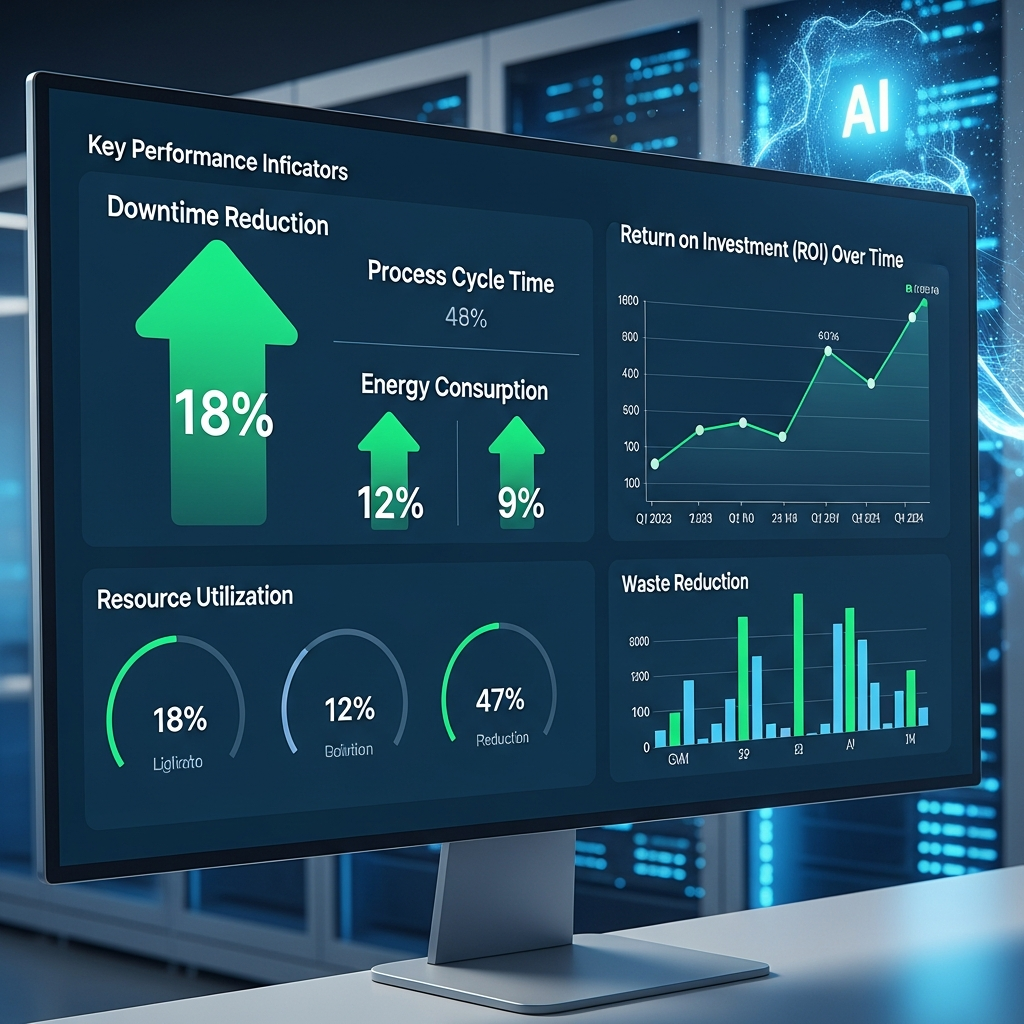
The industry has moved beyond asking "can AI do it?" The real question, the one that separates market leaders from also-rans, is "can AI do it reliably, securely, at scale, and deliver measurable ROI?" Most demos still fail that test. Don't be fooled by the hype. Focus on the hard numbers and the real deployments. Time is too valuable to chase shadows.