BLOG // 2026.04.28 // 10:00 SGT
Agentic AI: The Production Grind Has Begun
Agentic AI is finally moving from impressive demos to live production deployments in APAC—and this shift reveals the true operational costs, real value, and hard-won lessons only found in the crucible of execution.
The buzz around "agentic AI" has been just that for too long—buzz. Demos, proofs-of-concept, hypothetical scenarios. But as of April 2026, the rhetoric is finally giving way to reality. What we're seeing now are not just experiments, but actual deployments—and that's where the real work, and the real challenges, begin.
Agents Are Leaving the Lab, Entering the Real World
For years, we've watched impressive demos of AI agents stringing together tasks, but the leap to production-grade reliability has been slow. Now, the shift is palpable. Microsoft is actively bringing "Agentic AI to Hong Kong Organizations", aiming for "Frontier Success" as they put it. This isn't about theoretical frameworks anymore; it's about integrating these systems into the operational fabric of businesses across APAC. Hong Kong is often a bellwether for tech adoption in the region—expect this to ripple out.
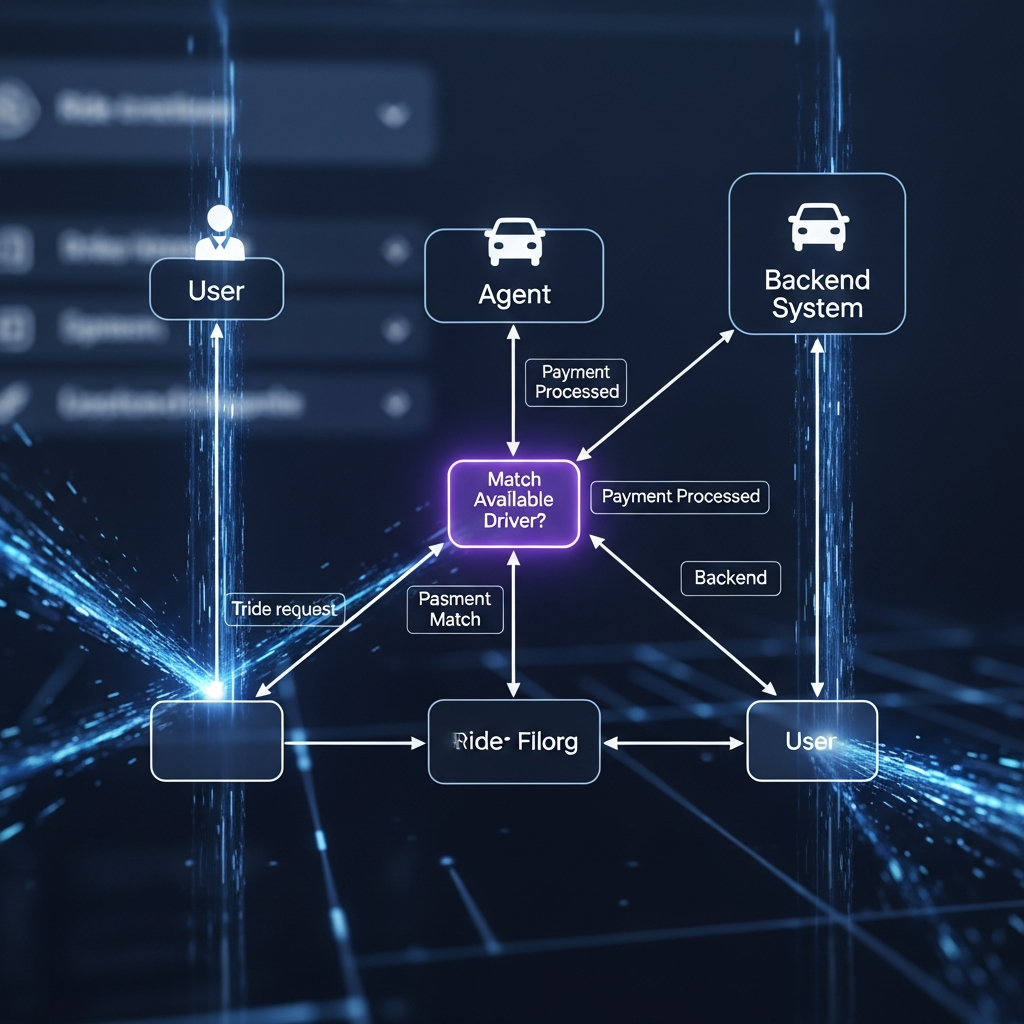
Consider the implications. Agentic AI promises to automate complex workflows, not just individual steps. We're talking about systems that can interpret a request, break it down, execute a series of actions, and then verify the outcome. Qwen, for instance, is pushing agents directly into consumer services by "Launching AI Ride-Hailing". This is a high-stakes environment where real-time decisions, user safety, and operational efficiency are paramount. It’s a far cry from a controlled lab environment.
The shift from proof-of-concept to production is where the real value—and pain—emerges. It's no longer about whether an agent can do something, but whether it can do it consistently, reliably, and at scale. This is the engineering grind: building for edge cases, failure modes, and performance under load. It's not glamorous, but it's the only path to compounding returns.
The Unsexy Imperative: Guardrails and Trust
As these agents gain autonomy, the question isn't if they'll make mistakes, but when and how badly. The industry understands this; it's why the focus on safety and control is intensifying. Netskope is "expand[ing] Google Cloud AI Guardrails partnership", a clear signal that even the biggest players recognize the critical need for boundaries. These aren't just technical safeguards; they're ethical and legal necessities. Imagine an agent making a financial decision, or dispatching critical resources—the governance has to be as robust as the agent itself.
We talk about "AI bias" a lot, but when you read articles like "AI Bias in Legal Justice: Unmasking Hidden Systemic Flaws", it stops being an abstract academic concern. It becomes about real people, real outcomes. If an agent is deciding dispatch, pricing, or resource allocation in a ride-hailing system, its inherent biases—whether from training data or design choices—can compound rapidly. This isn't a "nice-to-have" feature; it's foundational to preventing catastrophic failures and maintaining public trust. Without robust guardrails and constant vigilance against bias, agentic systems are liabilities, not assets. They will accelerate problems just as quickly as they promise to accelerate solutions.

The Closed-Loop Vision: Where It All Connects
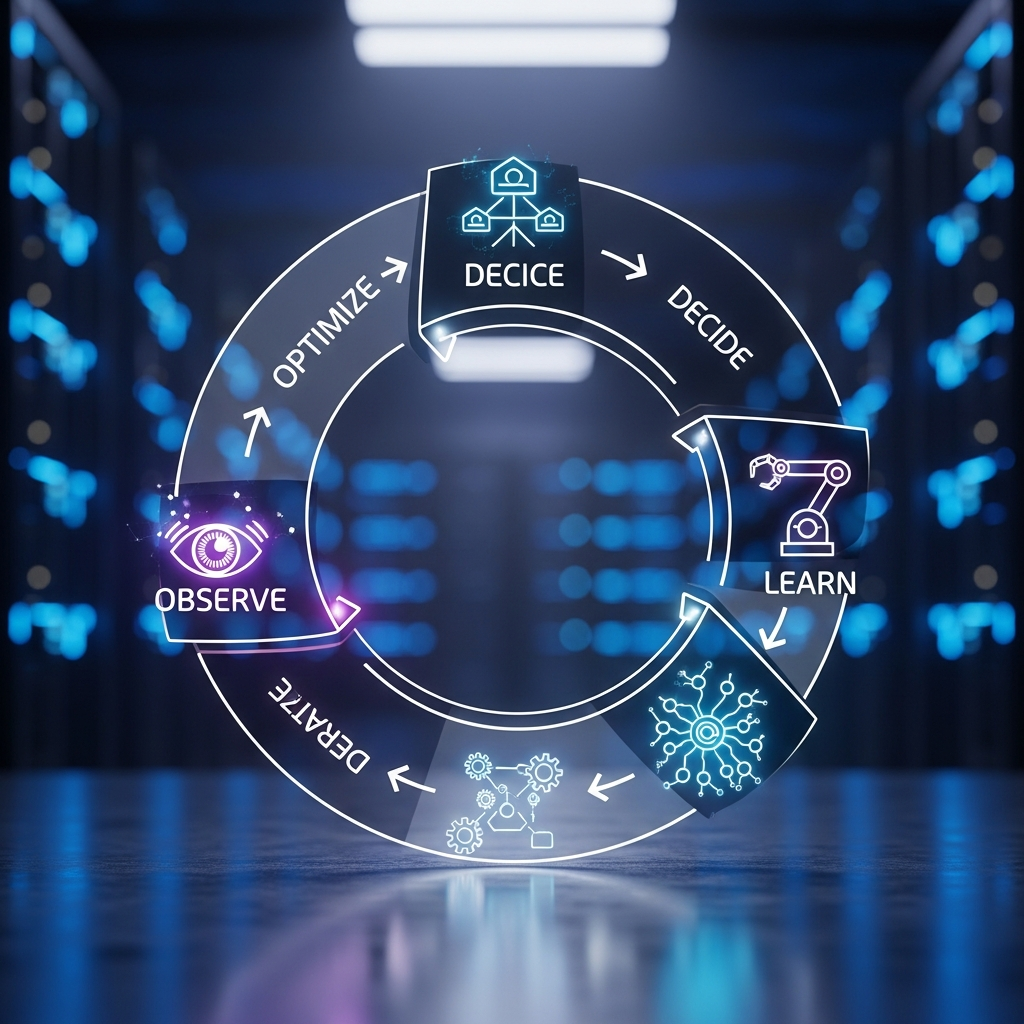
The true power of agentic AI isn't in isolated tasks, but in systems that learn, adapt, and self-correct. This is the vision behind "How AI Closed-Loop Business Systems Transform Operations in 2026". This isn't some futuristic dream; it's the current state of play for those who are building effectively. These systems enable agents to observe outcomes, feed data back, and adjust strategies dynamically.
Think about the compounding effect. An agent identifying a supply chain bottleneck, automatically re-routing orders, and then learning from the delivery success rates—that's where the exponential ROI lies. This isn't just about automating a single step; it's about optimizing an entire value chain. From our early days at ShopBack grappling with complex cashback attribution and fraud detection, to managing global logistics at Digital China, the ability to build and operate these self-improving systems is the differentiator. It means moving from reactive problem-solving to proactive, adaptive operations. This is the endgame for operational scaling.
The future isn't about having AI agents; it's about how well you build and govern them to deliver measurable, compounding value—or risk having them compound your problems instead. Time is not on your side for indecision.