BLOG // 2026.04.01 // 07:00 SGT
Agentic AI Infrastructure and the Path to True Business Impact
Reflecting on the latest industry shifts in AI, from vector databases to the 'Loopy Era' of agents. We examine why infrastructure, semantic governance, and precise problem-solving metrics matter more than hype.

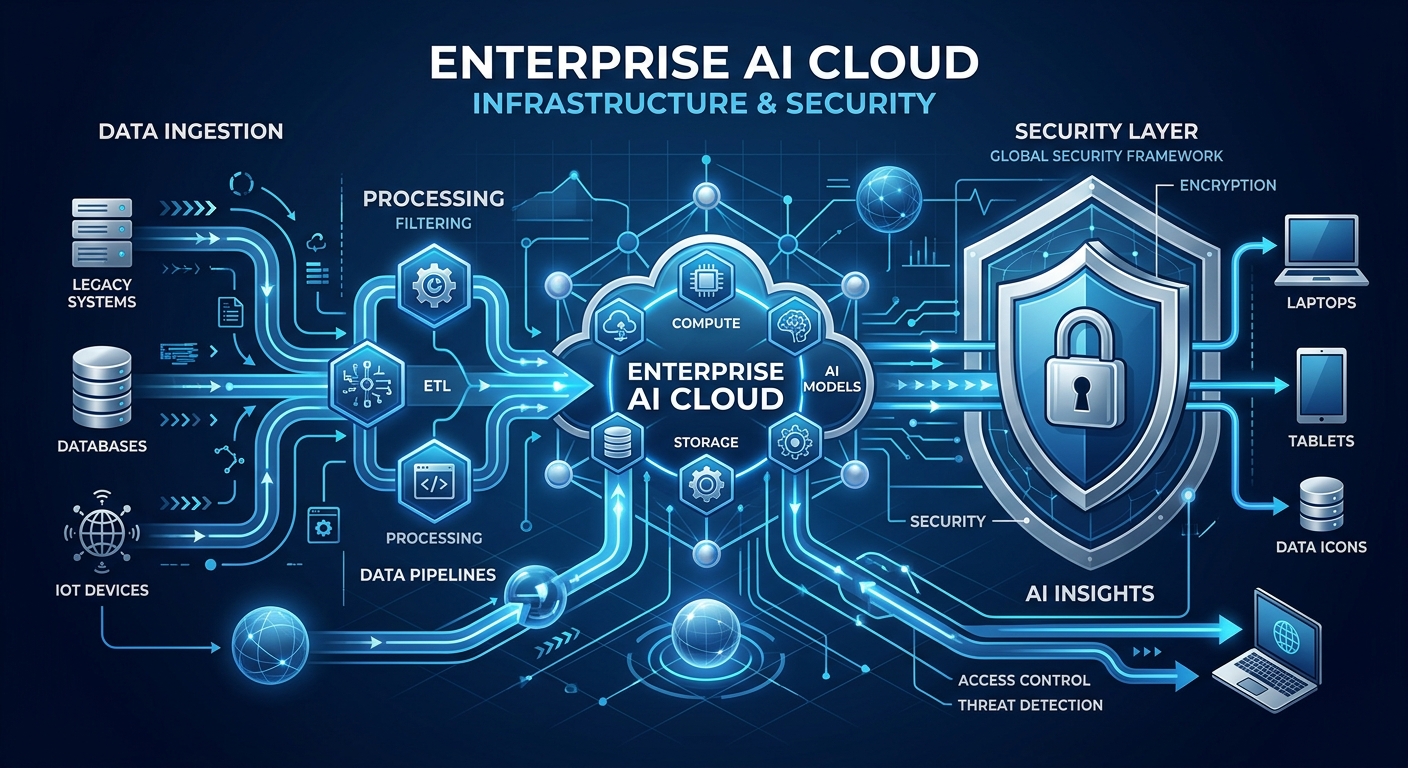
As we enter Q2 2026, the conversation around artificial intelligence has decisively shifted. We are no longer simply observing what Large Language Models can generate; we are wrestling with how to safely and effectively deploy them as agentic systems. From recent news in the enterprise cloud sector to deep architectural discussions, the focus is squarely on infrastructure.
1. The Real Bottleneck: Infrastructure over Intelligence
When we look at the latest insights on building practical AI memory systems with vector databases, it becomes clear that the model itself is only one part of the equation. Context retention, semantic routing, and long-term memory are the true differentiators for enterprise AI.
This aligns with what Andrej Karpathy recently highlighted: the AI industry must reconfigure for an agent-centric future, moving away from a purely human-in-the-loop paradigm to what he terms the "Loopy Era." For technology leaders, this means measuring success differently. We must focus on the time to solve problems and the rate of change rather than simply counting lines of code or raw output.
2. Security and Semantic Governance
As AI agents gain autonomy, security cannot remain an afterthought. The discussions around AI security highlight the severe risks of deploying autonomous agents without robust semantic governance. An agent needs to understand the meaning and context of the data it interacts with, not just rely on legacy access control lists.

We're seeing major players respond to this. Google Cloud's recent pushes toward a full-stack architecture for agentic AI are designed to build an intelligent operational moat for enterprises. Meanwhile, tools like OpenClaw continue to evolve to meet these complex orchestration needs safely.
3. The Pragmatic View
It's easy to get distracted by industry noise, but sustainable change happens at the foundational level. Whether it's the integration of AI in finance teams or scaling SEO content with AI, the businesses that win will be those that prioritize robust architecture and pragmatic execution over short-term trends.

How you do anything is how you do everything. Build systems that are useful, secure, and built for the long term.
— Bryan.AI