BLOG // 2026.04.07 // 07:00 SGT
The AI Agent Trap: Stop Building What You Should Buy
Unless your core business is selling AI infrastructure, building custom agents from scratch is a massive misallocation of capital—buy the commodity and build the differentiator.
The Build vs. Buy Trap
I’ve sat in enough engineering planning sessions across Singapore and the broader APAC region to recognize a dangerous pattern. A new technology drops, a few flashy demos hit your feed, and suddenly every product manager wants a proprietary version built in-house.
We are seeing this exact cycle play out right now with AI agents.
You can read the endless industry debates—like this recent breakdown on Chatbase vs Custom AI Agent: Build or Buy in 2026?—but the reality on the ground is much harsher. Building a custom agent isn't about writing a clever system prompt. It's about maintaining state, handling edge cases, managing the inevitable latency issues, and keeping up with base models that deprecate every six months.
Time is the ultimate constraint. I view life across three strict domains: career, family, and finance. Every hour your engineering team spends reinventing the wheel is an hour stolen from compounding your core business advantage. If your core product isn't selling AI infrastructure, building custom agents from scratch is a massive misallocation of capital. Buy the commodity. Build the differentiator.

The Protocol is the Product
But let's say you do buy. Or let's say you stubbornly build. Either way, an isolated agent is just a glorified search bar.
The real compounding value in 2026 comes from interoperability—the connective tissue between systems. Demos show an agent answering a standalone question. Actual enterprise deployments require an agent to read a database, trigger a workflow, and update a CRM without hallucinating a fake customer ID.
This is why the Model Context Protocol (MCP) is quietly becoming the most critical architectural standard of the year. We are finally moving past fragile, custom API integrations. Look at the tooling emerging right now in the ecosystem: platforms are actively pushing to Connect AI Agents via MCP, and we are seeing niche projects dedicated to Automatic WebMCP Creation for AI Agents.
Why does this matter to a senior operator? Because standardized protocols reduce integration friction by an order of magnitude. When your agents can seamlessly discover and interact with your internal tools via MCP, you stop writing brittle glue code. You stop patching broken endpoints every weekend. You start building actual, scalable automated workflows that impact the bottom line.

The Unsexy Reality of the Data Layer
Yet, even with perfect agents and seamless protocol integrations, you hit the final, unavoidable wall. Data.
You cannot run a fast-growing tech company on slow, unstructured data. I learned this the hard way scaling systems at ShopBack and Amazon. The analytics layer is where AI deployments go to die. If your agent takes ten seconds to query your SaaS metrics, your users will abandon it. Latency kills adoption.
The market knows this, even if the hype cycle ignores it. It's why Ridge AI just raised $2.6M to solve analytics problems for SaaS applications. The problem isn't the AI—it's the data visualization and retrieval pipelines feeding it. It is also why underlying database infrastructure companies are seeing explosive adoption right now in our region.
Hype focuses on the conversational models; operators focus on the database. If your data architecture is broken, adding an LLM on top just gives you faster, more articulate incorrect answers. You have to fix the plumbing before you turn on the tap.

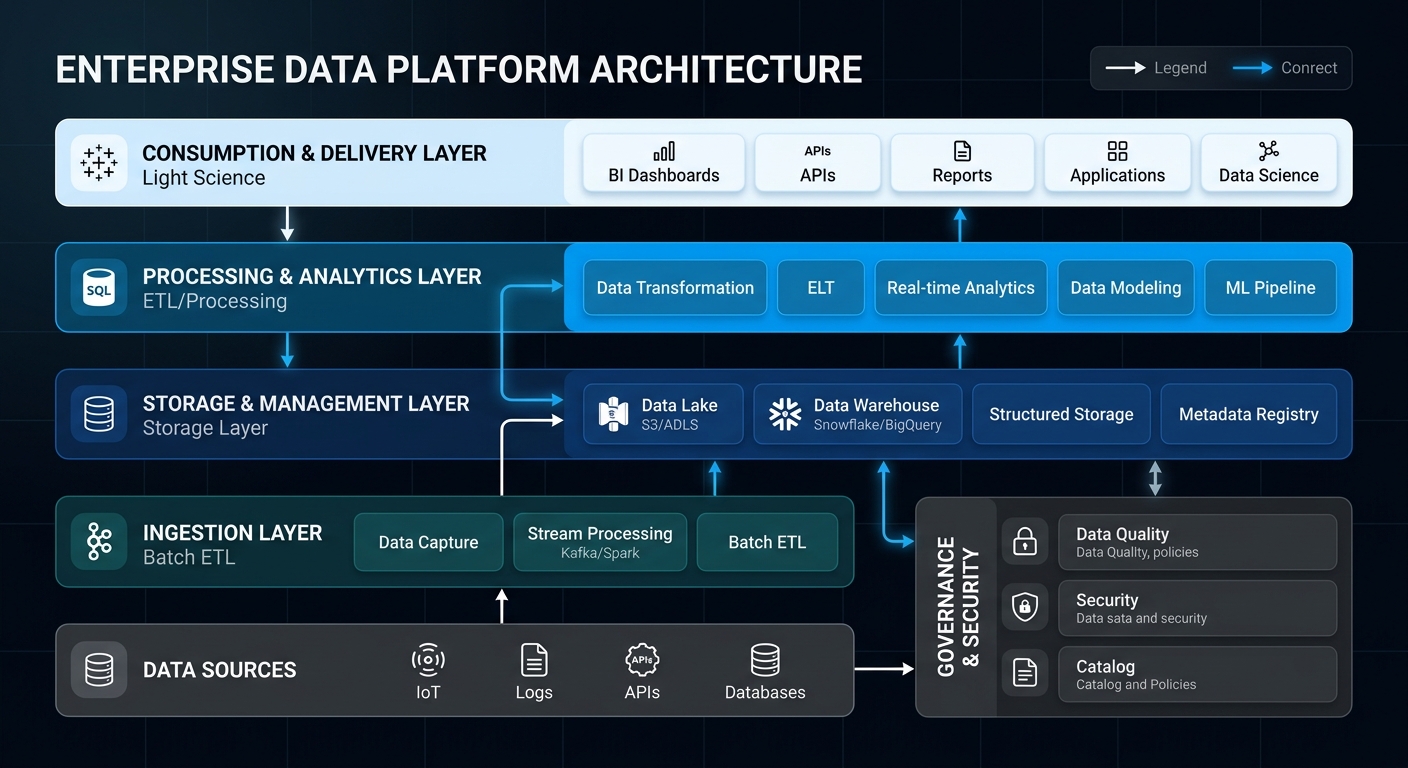
The gap between a polished demo and a production-ready AI agent is measured in months of unsexy infrastructure work. Don't get distracted by the shiny wrappers. Choose your battles. Buy the commodity agent, standardize on MCP for your integration layer, and invest your precious engineering capital into your data infrastructure. Everything else is just noise.